Entropy in the Desert


Entropy, that sneaky and tricky thermodynamic property of matter that states that all systems are moving toward a state of disorder or decomposition, is an interesting idea to posit against most artworks that we find dotting and colouring this world of ours.


When I create art, it is usually of two forms: knitting or metalsmithing. Knitting, of course, is usually of organic material like wool and would, no doubt, succumb to its fate of disintegration via rotting fairly quickly. I give natural knit goods a shelf life of about 100 years if they are very lucky.


Metals are different; they should last forever, although we know that they do not. Even though I can clutch a sheet of silver in my hand, feel its resistance to my skin and its length, width and depth, I know that this item before me, while appearing to be solid, is made of molecules that are slowly, slowly, moving through space, as am I. Despite my best efforts, every piece of jewelry that I make is an expression of destruction or at least of moving atoms within sheets of silver or gold. Despite not changing the element itself, I am forever damaging it, bending it to my will, encouraging its dissolution over time. We all know that iron rusts, that wood rots, but silver and gold can last centuries shoved into old jars, the corners of rooms buried under volcanoes, inside pyramids, or lost in the folds of ancient cloth.


Despite my chosen art form’s ability to withstand the only constant in our world, change, or at least to resist it with an enviable spirit, there are artists out there who encourage destruction and change in their work. They seem to relish the power of weathering forces of water and wind, they love rust, melting, and the dissolving of their artworks. The spirit behind their artworks even seems to be to encourage an observation of our world’s constant trajectory toward destruction in the form of change. Oh our Dynamic Earth.


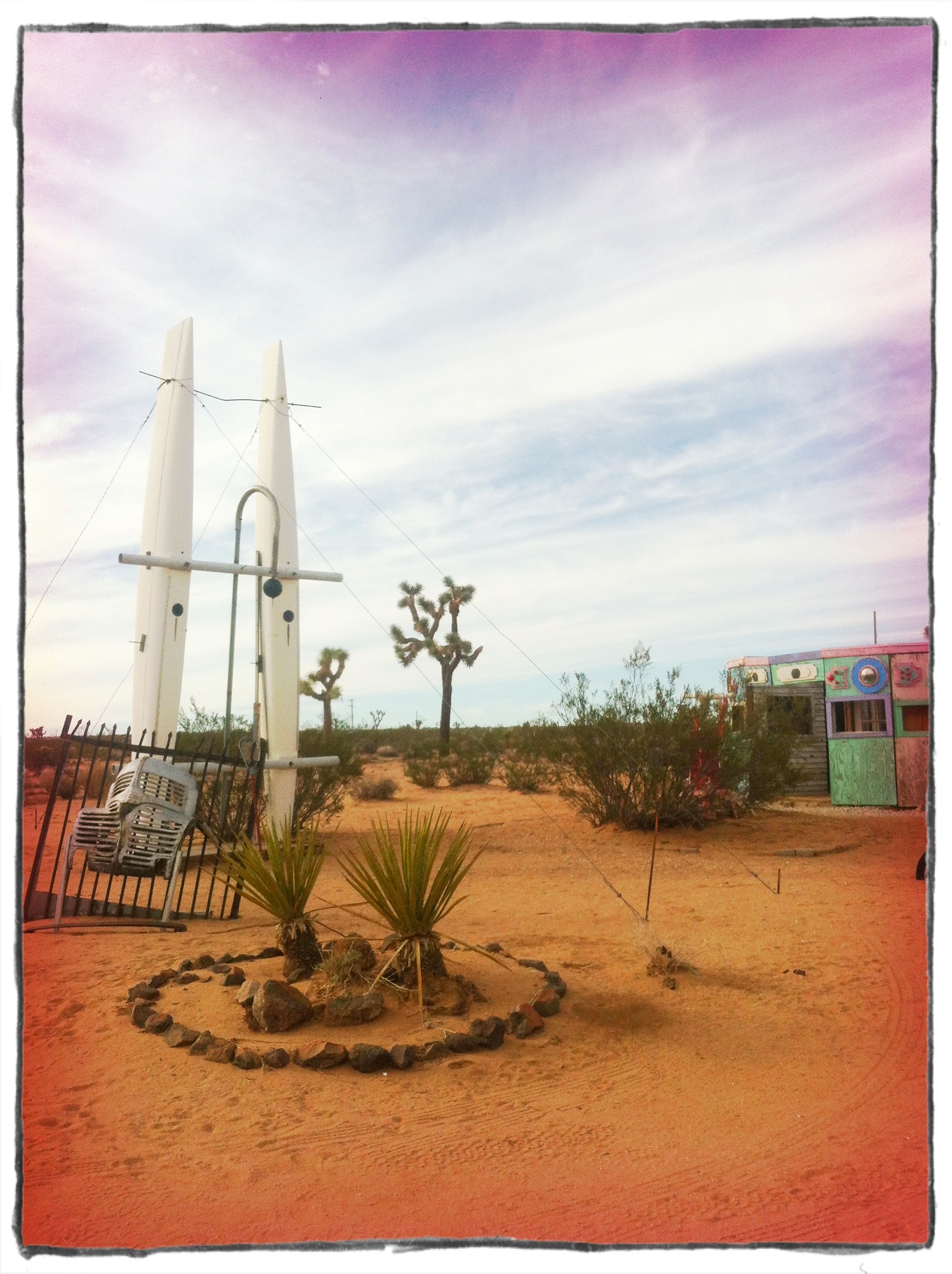
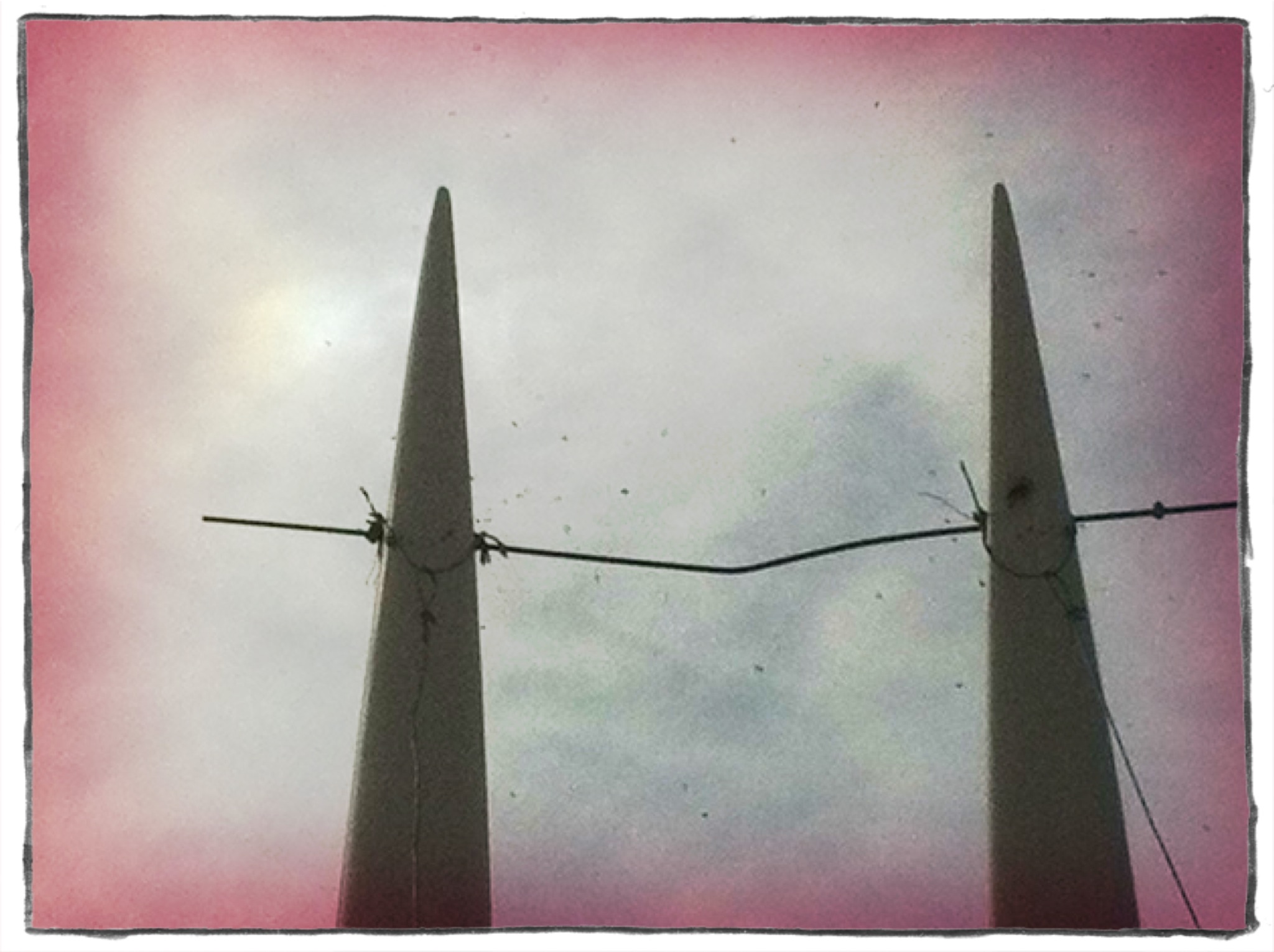
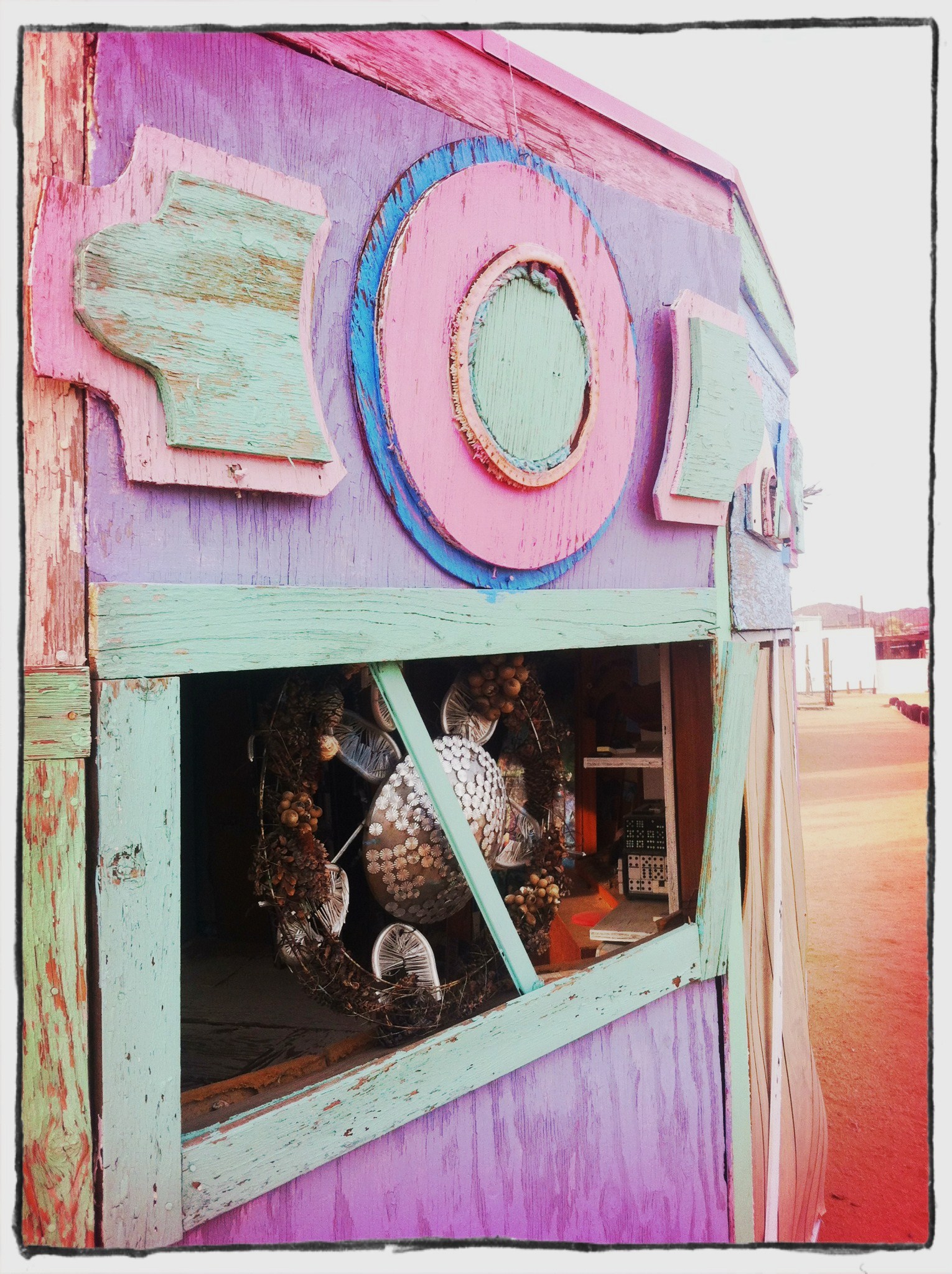
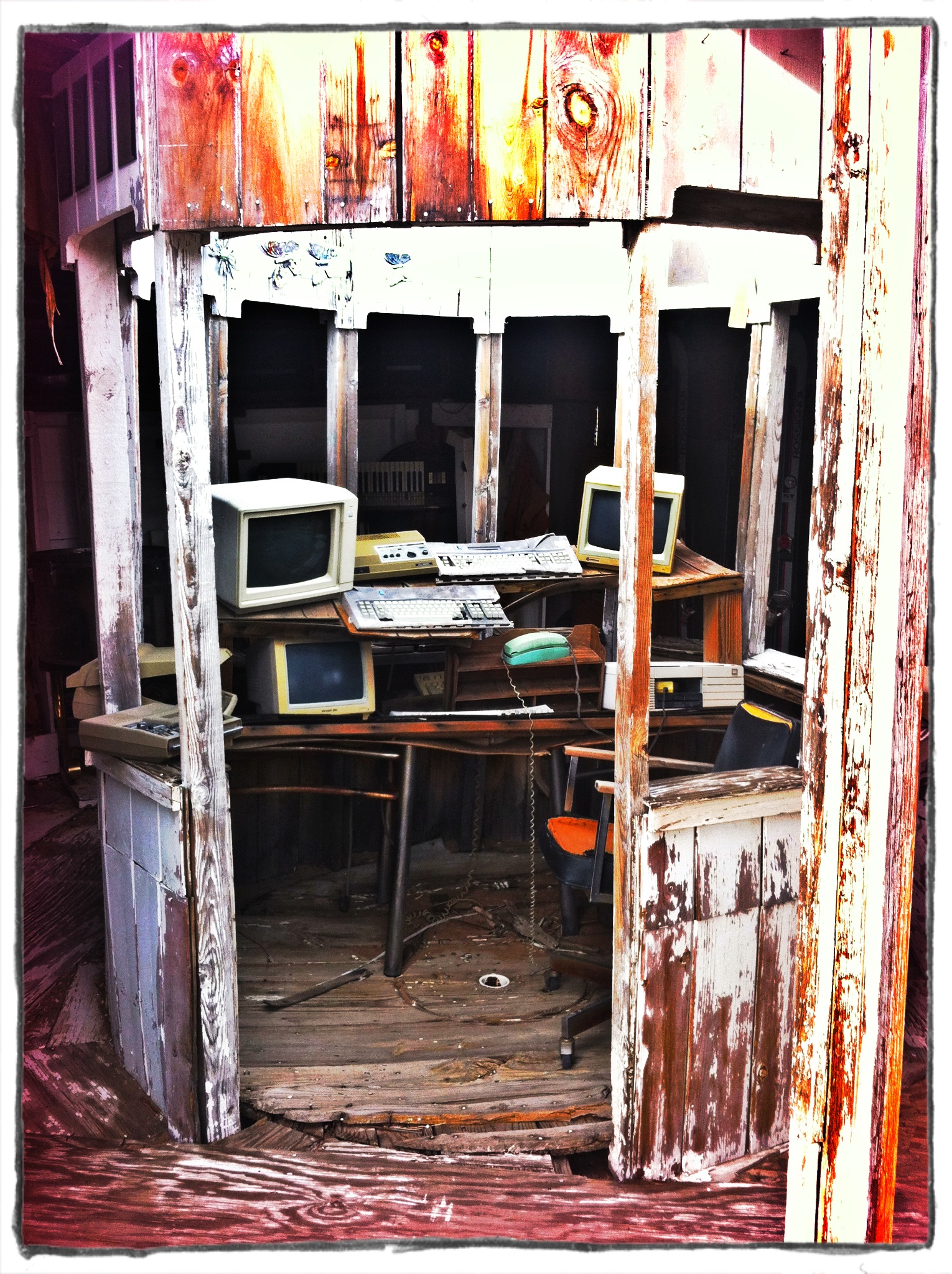
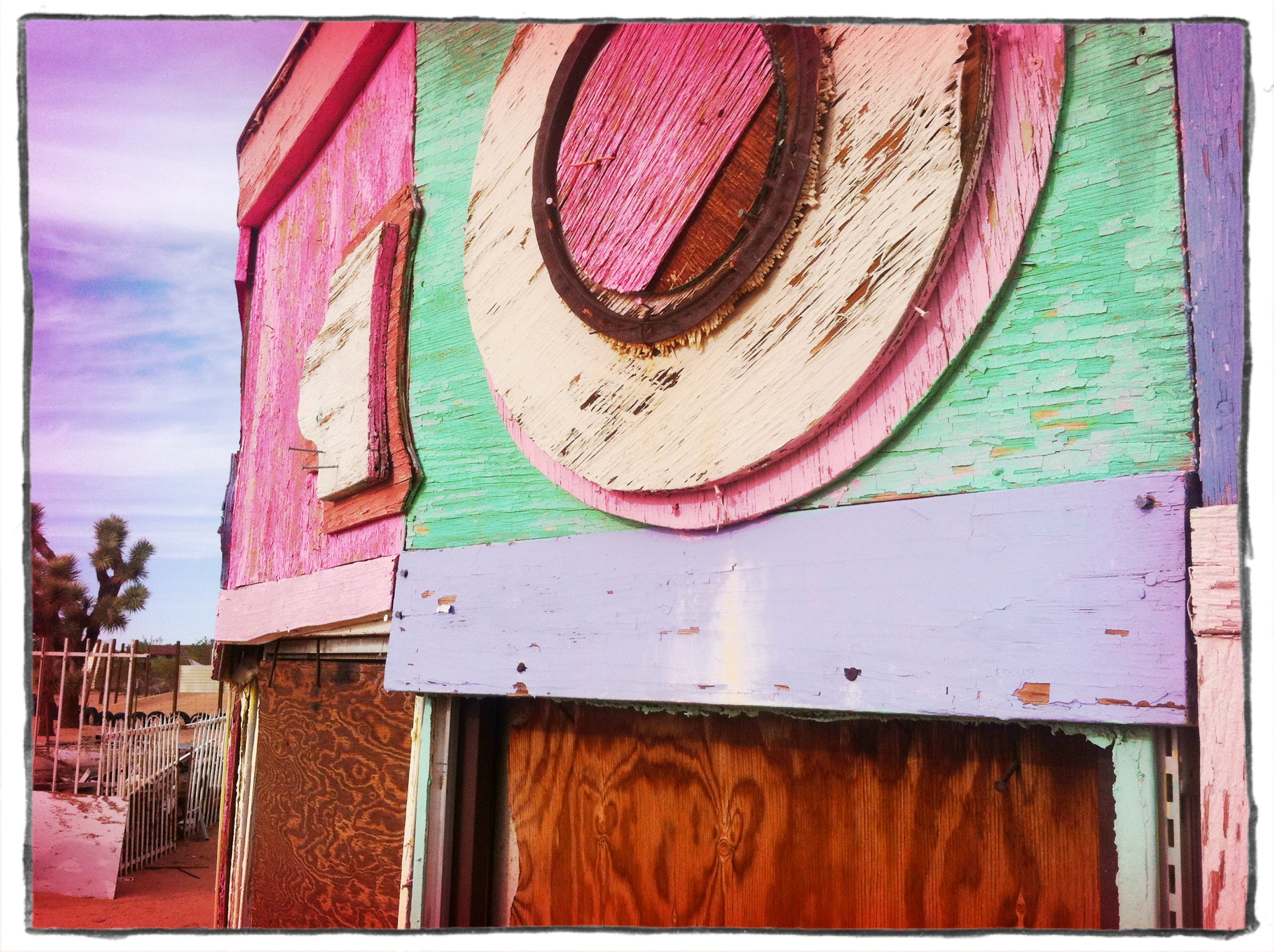
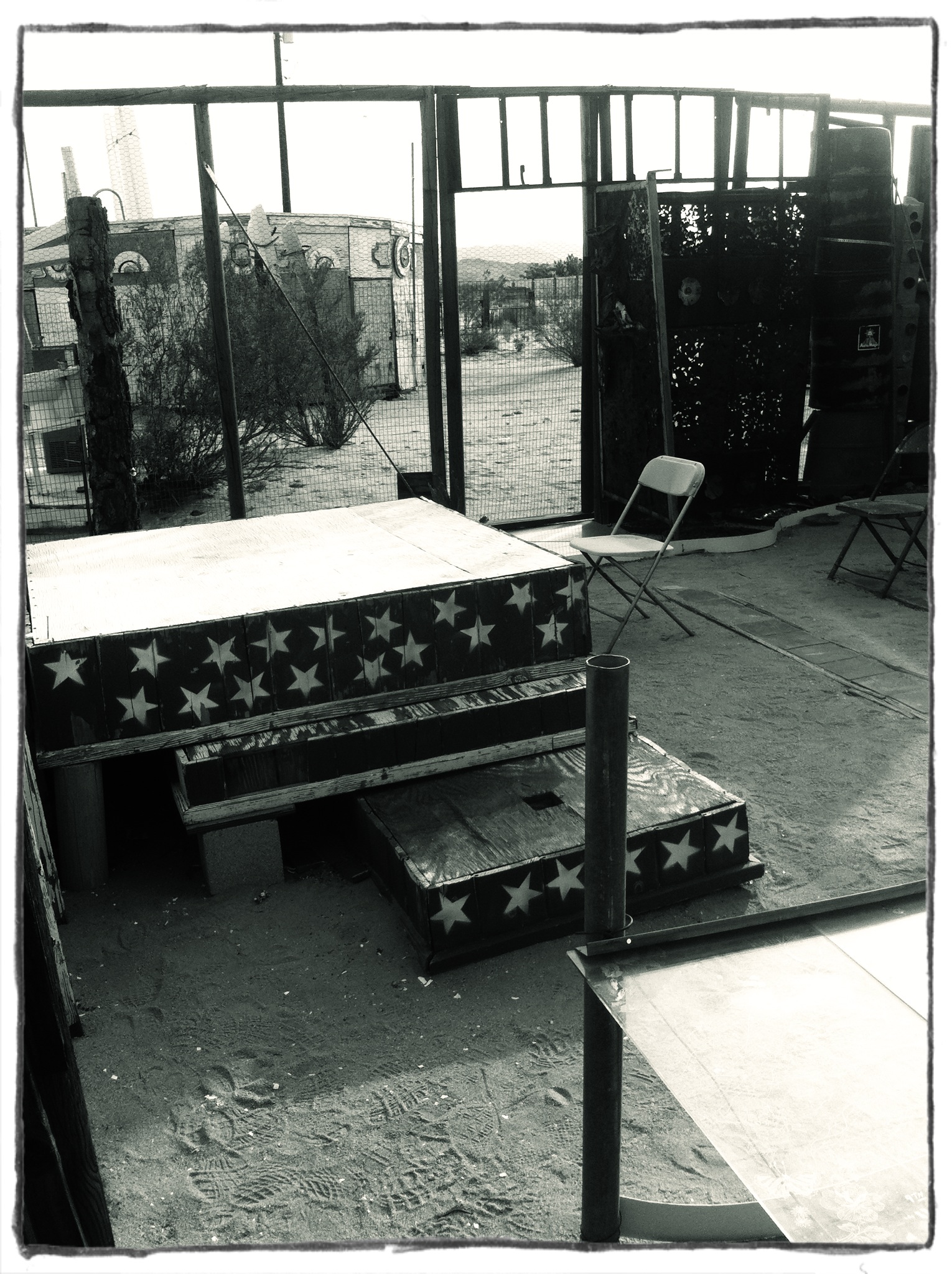
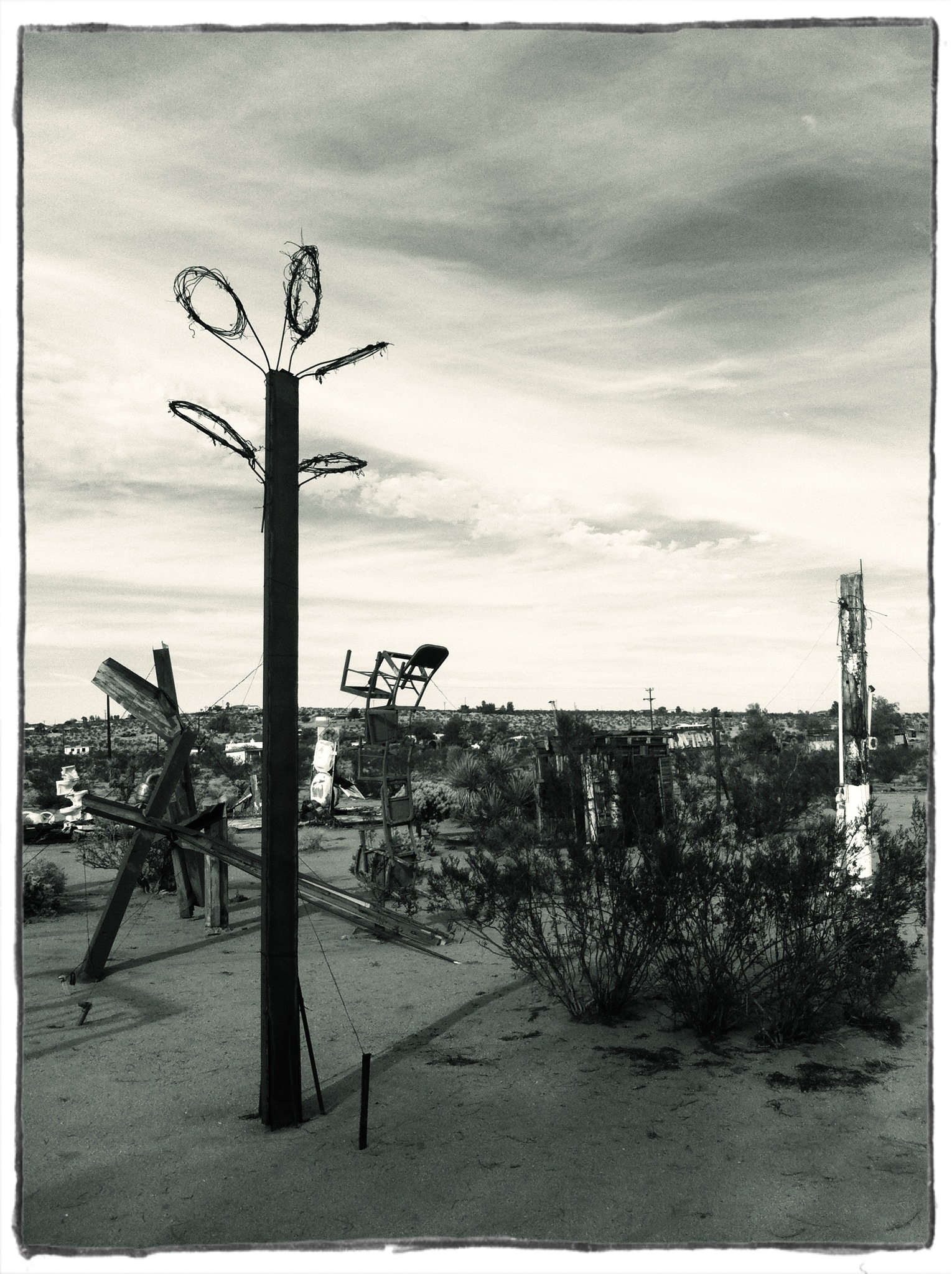
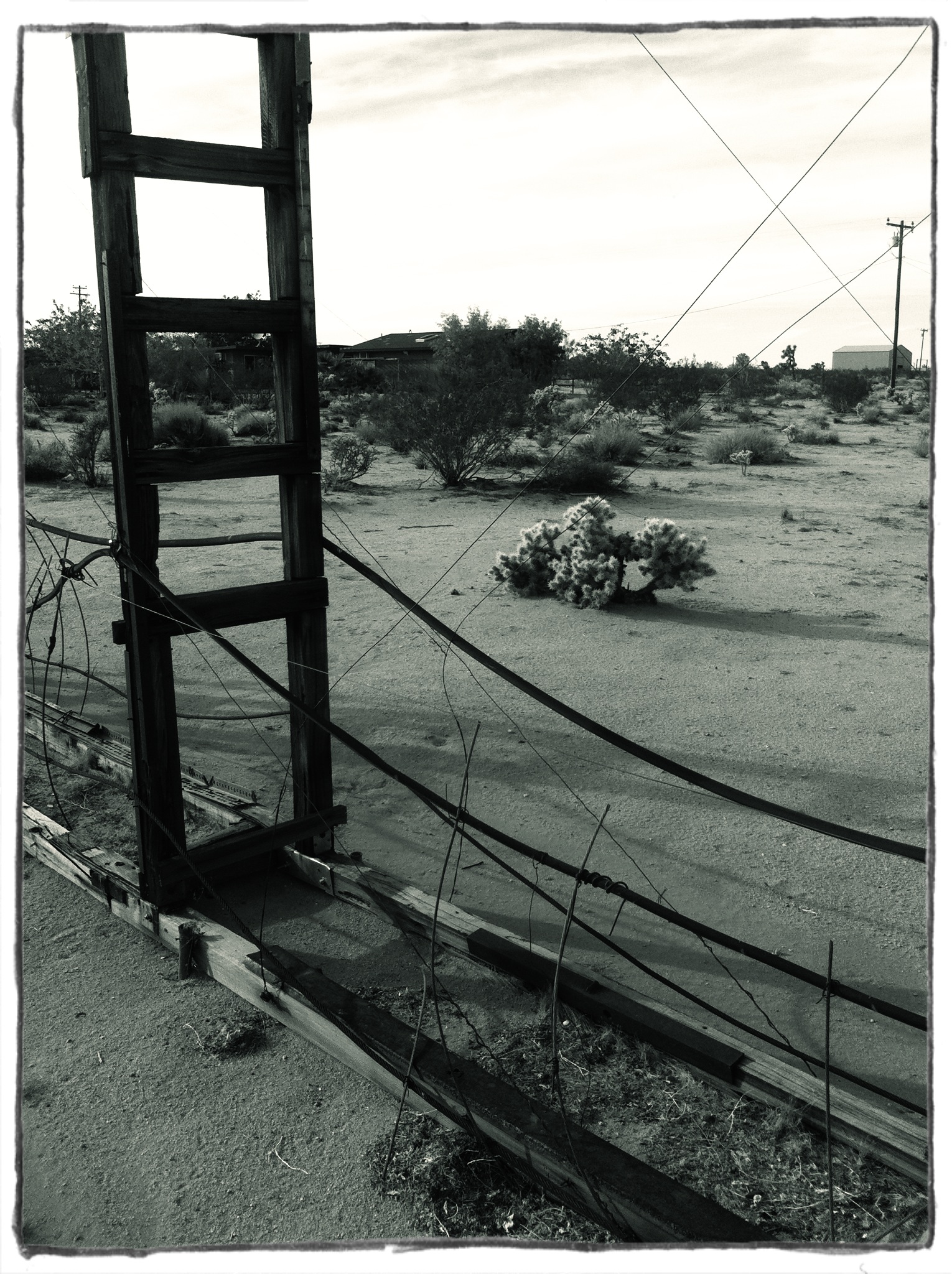
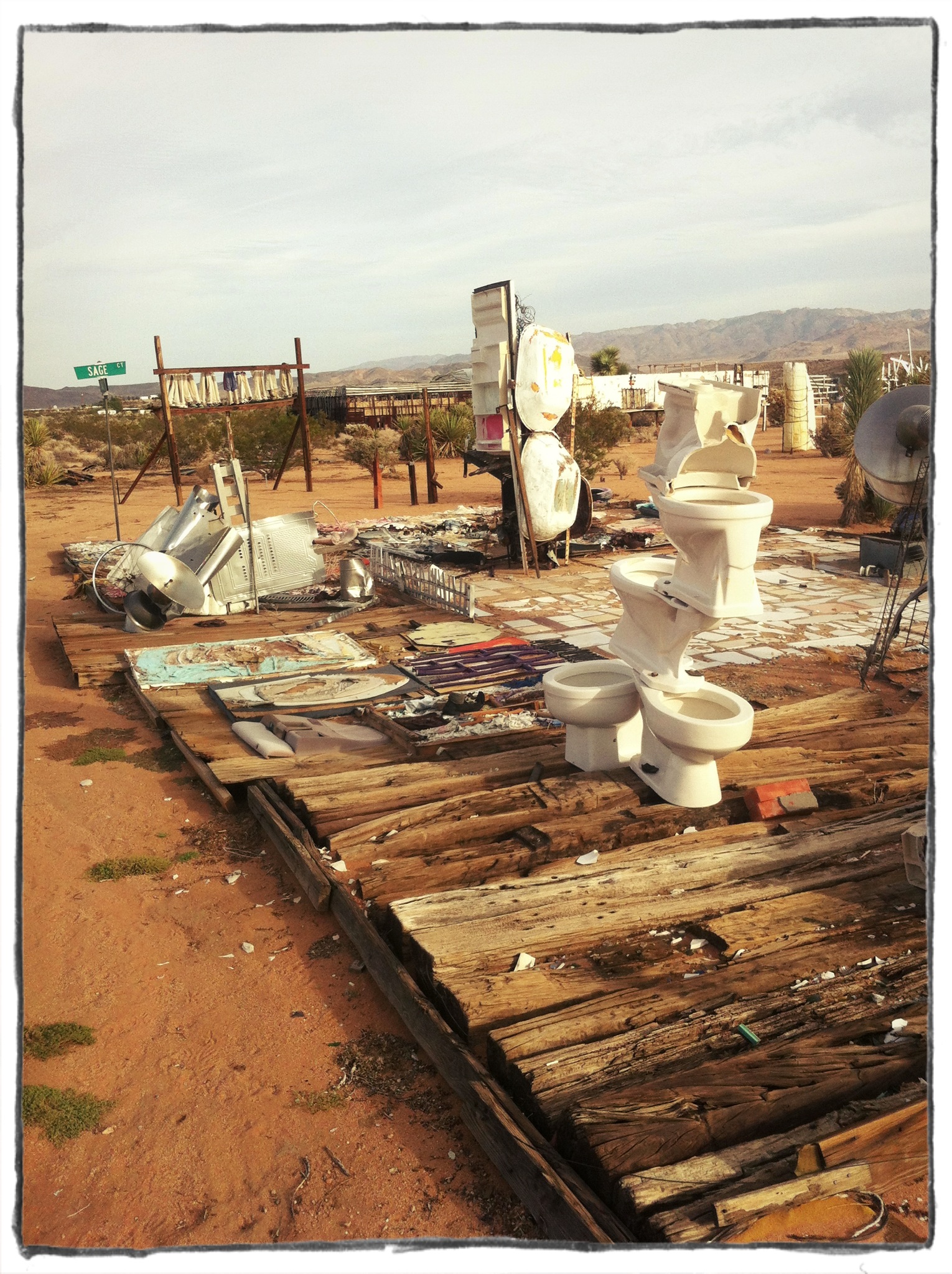
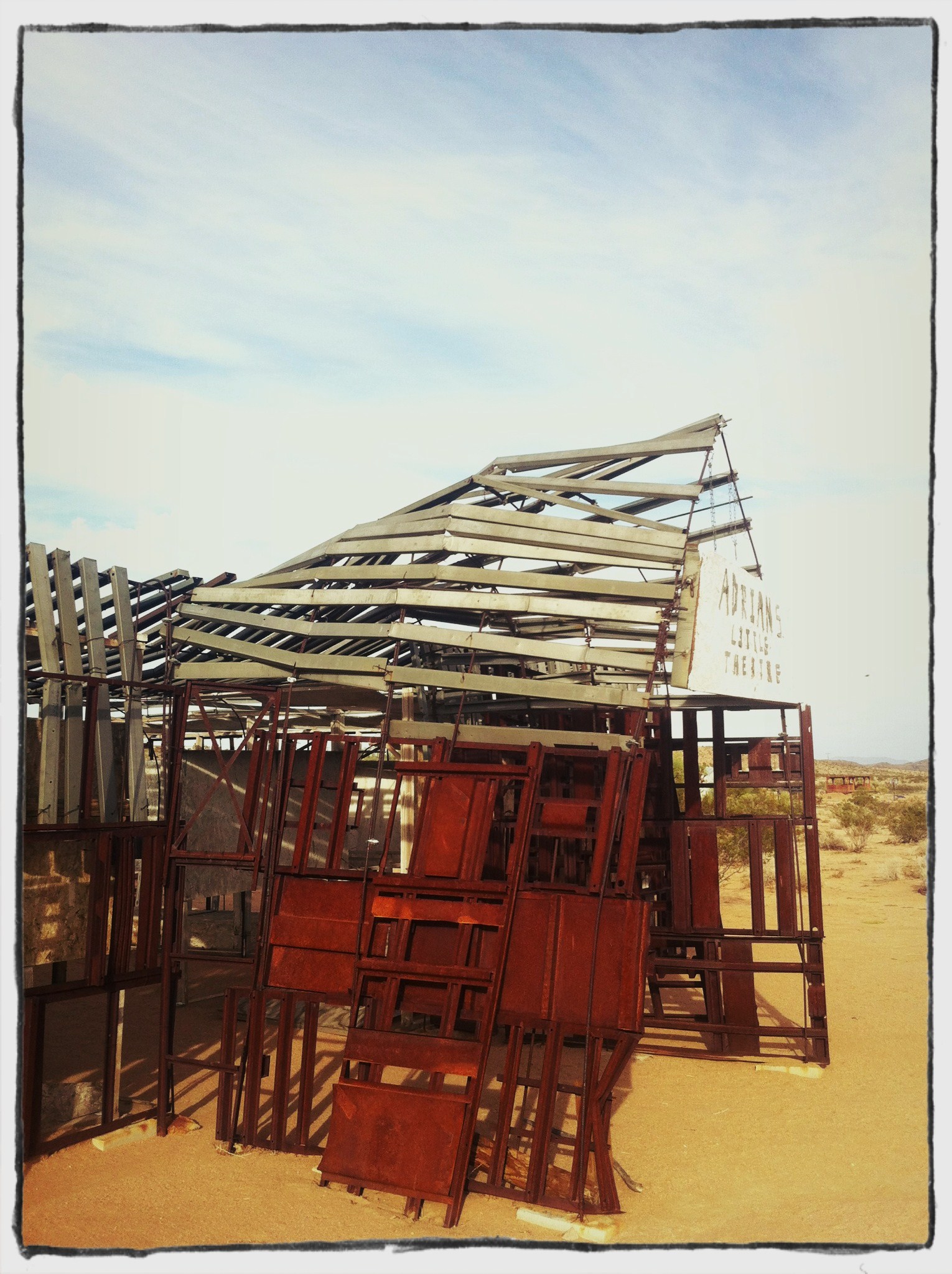
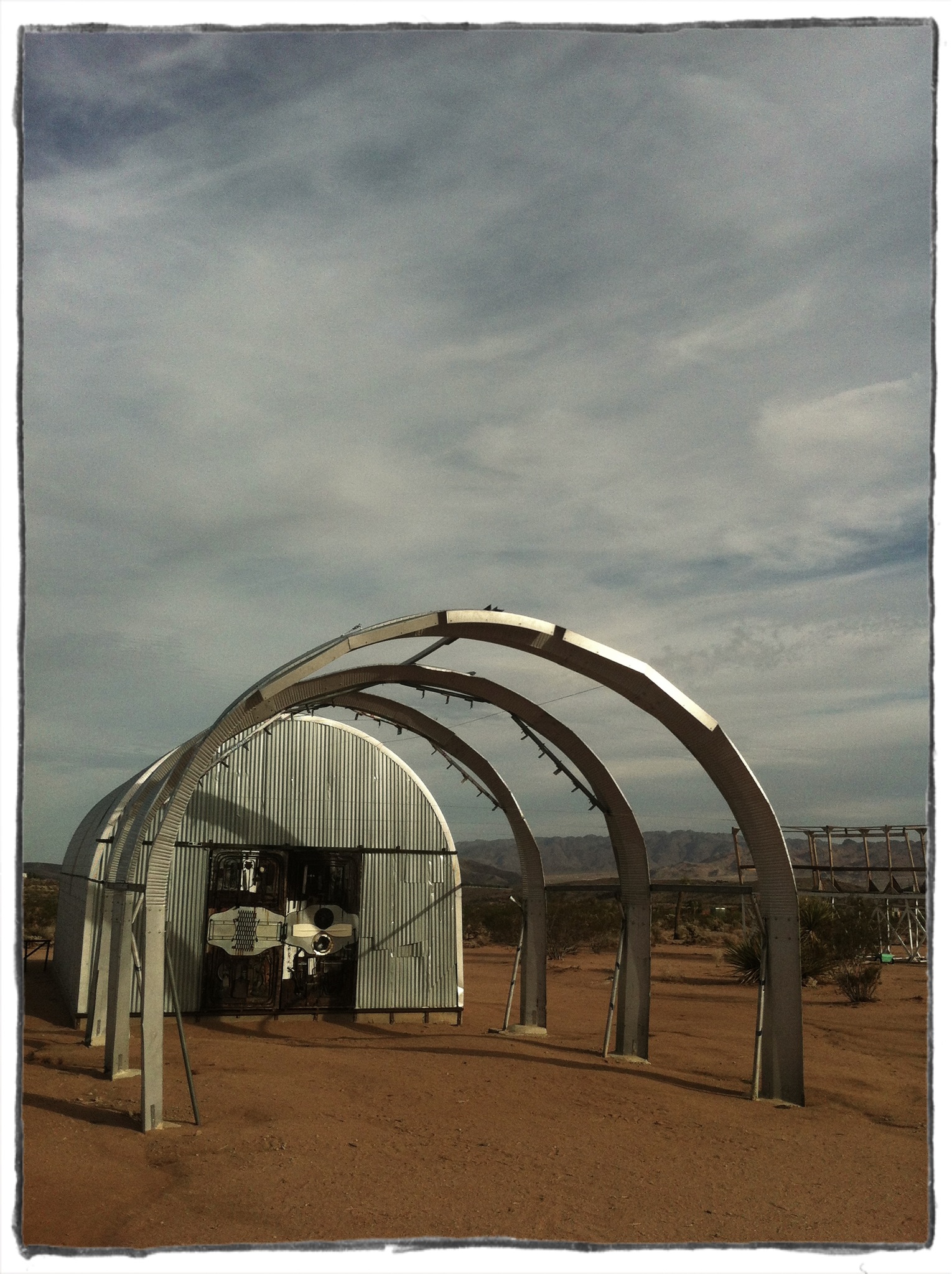
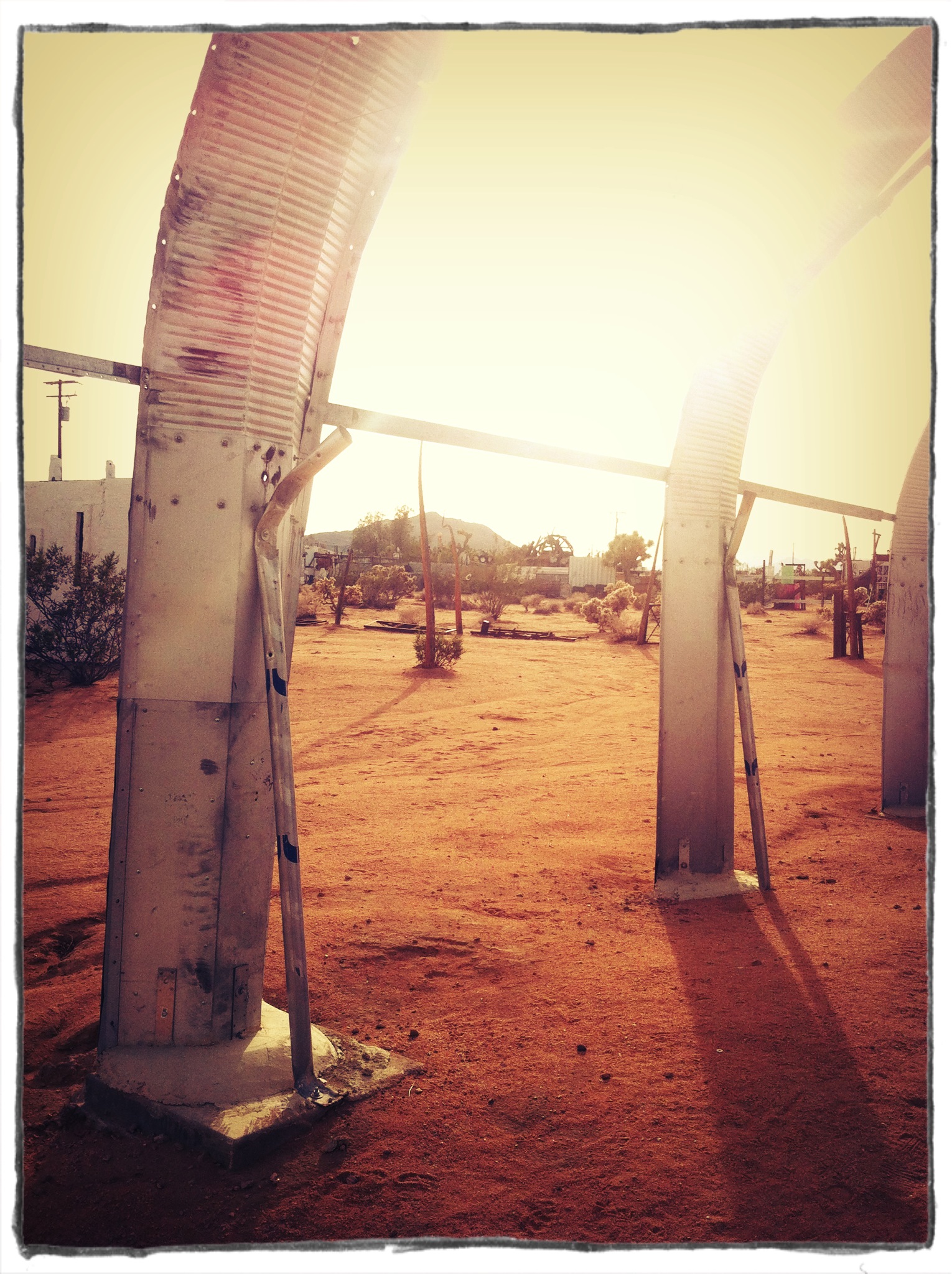
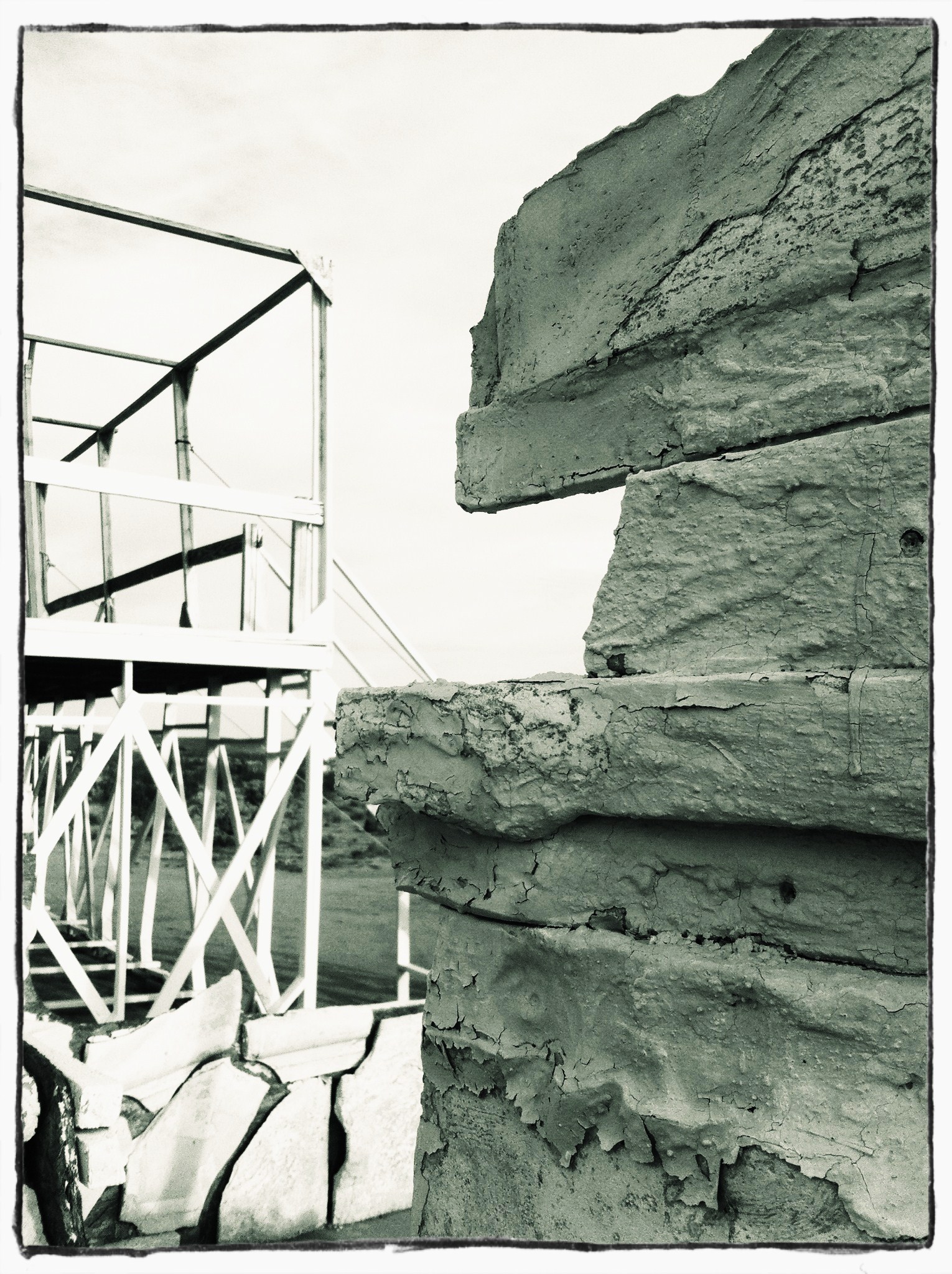
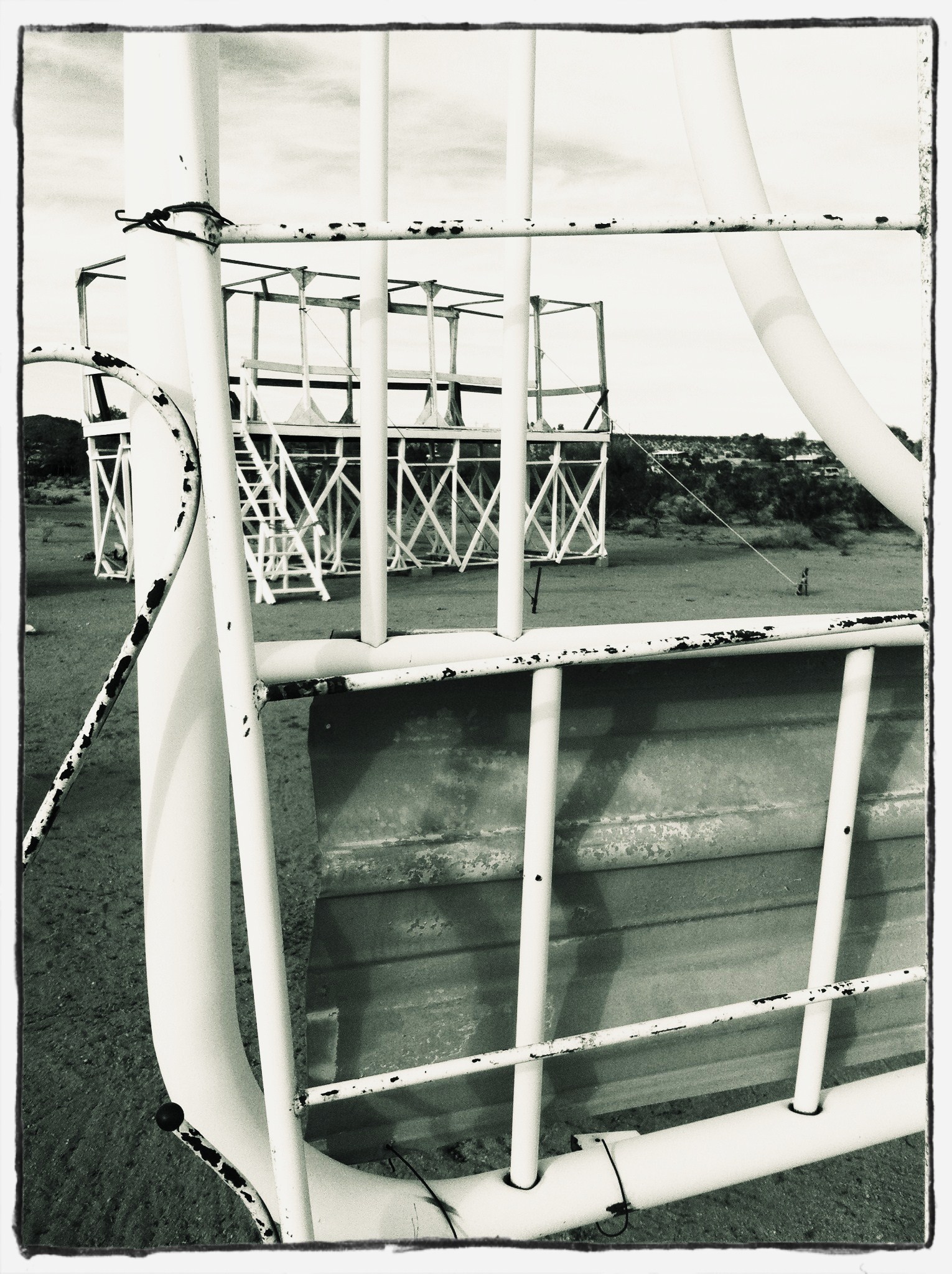
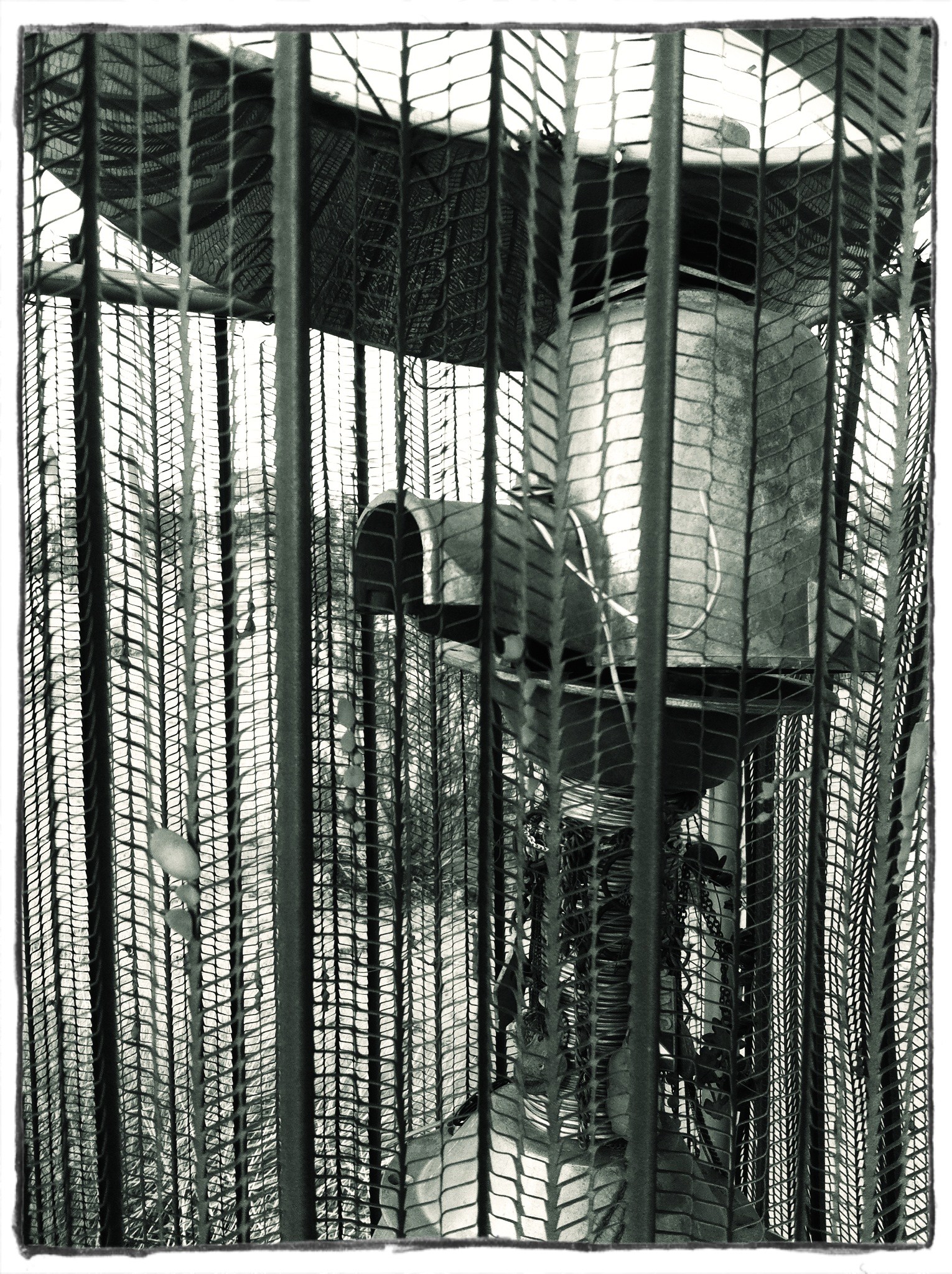
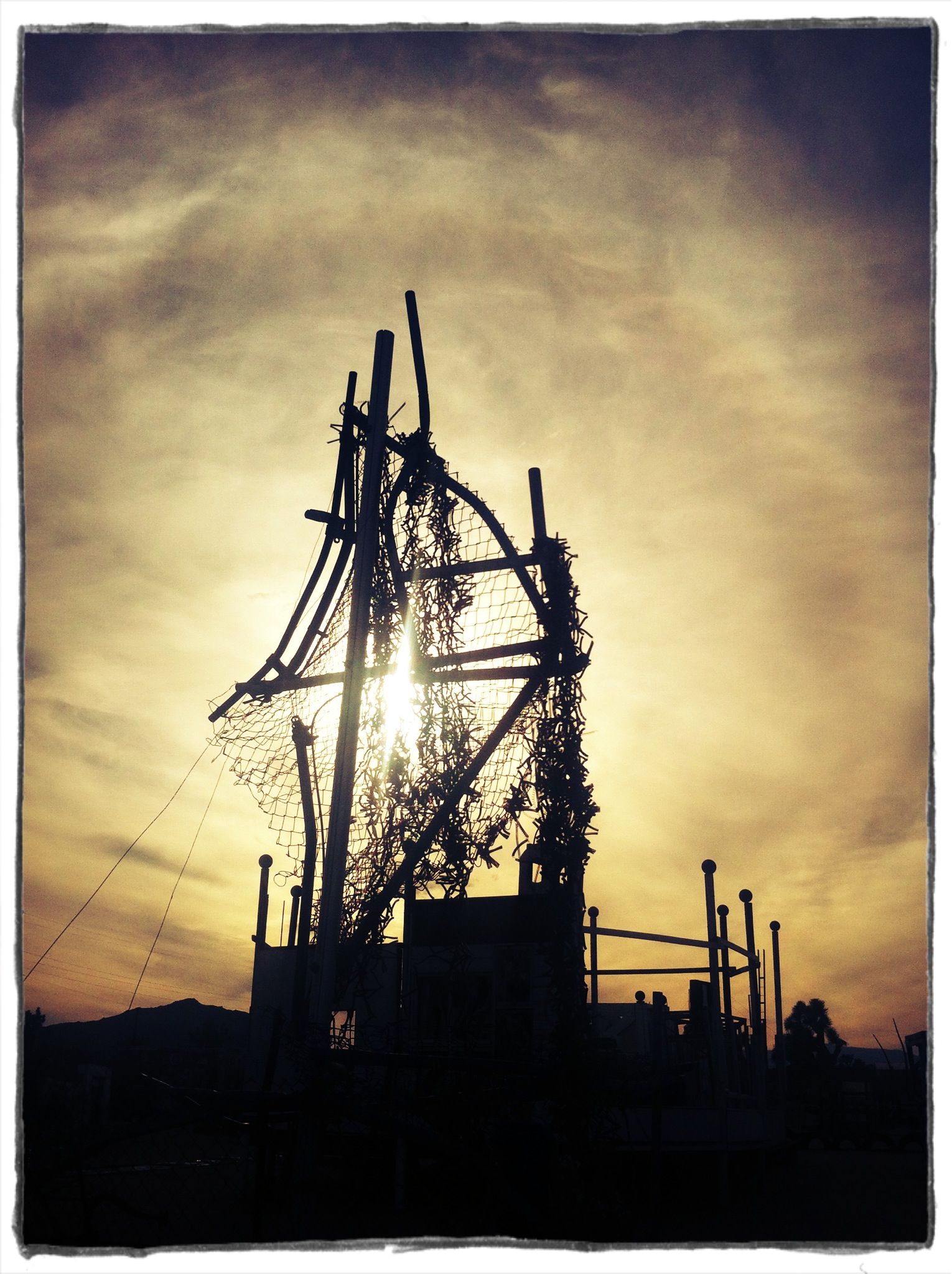
I give you photos from the Noah Purifoy Sculpture Garden, located in Joshua Tree, California. If you wish to visit the sculpture garden, and you most certainly should, you have to email the foundation and they will send you directions. This seems to be an integral part of the experience of his sculptures, and I do not wish to violate their wishes here.


I first learned of Noah Purifoy‘s sculpture park via trolling on Atlas Obscura. Atlas Obscura is one of my favorite websites and I typically will spend hours exploring its vast collection-house-style listings of weird places to visit across the globe. I do this especially when I am planning a trip, or thinking about going to a destination. (I realized today that I have spent about 9 weeks of the last year traveling; it’s been a good year. I went to Austin twice, Mexico twice, New York many times, Maine several times, New Jersey a few times, Los Angeles/ the surrounding desert once, and now New Orleans. Not bad for a year.)


Noah Purifoy was an assemblage sculptor who lived in Los Angeles for most of his life, moving to Joshua Tree in 1996. He died in 2004 when a fire burned his home. He leaves us a legacy of sculptures that are intentionally left outside, in the desert, in the wind and the occasional burst of rain, to be destroyed, ever so slowly. The wind that whips around and through these sculptures licks particles off their surfaces each day; it is clear that no two visits to the sculptures would be the same.


“Seeing my work would be an incentive for you to do today what you couldn’t do yesterday, whatever it is.”

– Noah Purifoy


Those are bees a-buzzin’!

You can email the Noah Purifoy Foundation at tarashall@att.net anytime you are in the Joshua Tree area. Joshua Tree is a town that borders Joshua Tree National Park, and is somewhere between 3-4 hours outside of Los Angeles.

The Inner World

Front Door of my old house in Austin, Texas…two Christmases ago

“Do not despise your inner world. That is the first and most general piece of advice I would offer… Our society is very outward-looking, very taken up with the latest new object, the latest piece of gossip, the latest opportunity for self-assertion and status. But we all begin our lives as helpless babies, dependent on others for comfort, food, and survival itself. And even though we develop a degree of mastery and independence, we always remain alarmingly weak and incomplete, dependent on others and on an uncertain world for whatever we are able to achieve. As we grow, we all develop a wide range of emotions responding to this predicament: fear that bad things will happen and that we will be powerless to ward them off; love for those who help and support us; grief when a loved one is lost; hope for good things in the future; anger when someone else damages something we care about. Our emotional life maps our incompleteness: A creature without any needs would never have reasons for fear, or grief, or hope, or anger. But for that very reason we are often ashamed of our emotions, and of the relations of need and dependency bound up with them. Perhaps males, in our society, are especially likely to be ashamed of being incomplete and dependent, because a dominant image of masculinity tells them that they should be self-sufficient and dominant. So people flee from their inner world of feeling, and from articulate mastery of their own emotional experiences. The current psychological literature on the life of boys in America indicates that a large proportion of boys are quite unable to talk about how they feel and how others feel – because they have learned to be ashamed of feelings and needs, and to push them underground. But that means that they don’t know how to deal with their own emotions, or to communicate them to others. When they are frightened, they don’t know how to say it, or even to become fully aware of it. Often they turn their own fear into aggression. Often, too, this lack of a rich inner life catapults them into depression in later life. We are all going to encounter illness, loss, and aging, and we’re not well prepared for these inevitable events by a culture that directs us to think of externals only, and to measure ourselves in terms of our possessions of externals.

What is the remedy of these ills? A kind of self-love that does not shrink from the needy and incomplete parts of the self, but accepts those with interest and curiosity, and tries to develop a language with which to talk about needs and feelings. Storytelling plays a big role in the process of development. As we tell stories about the lives of others, we learn how to imagine what another creature might feel in response to various events. At the same time, we identify with the other creature and learn something about ourselves. As we grow older, we encounter more and more complex stories – in literature, film, visual art, music – that give us a richer and more subtle grasp of human emotions and of our own inner world. So my second piece of advice, closely related to the first, is: Read a lot of stories, listen to a lot of music, and think about what the stories you encounter mean for your own life and lives of those you love. In that way, you will not be alone with an empty self; you will have a newly rich life with yourself, and enhanced possibilities of real communication with others.”

Martha Nussbaum

These thoughts came into my in-box this morning as a part of the weekly Brain Pickings newsletter, and I thought matched almost completely what I have been thinking about lately. I hope you enjoy it, too.

Turning Around

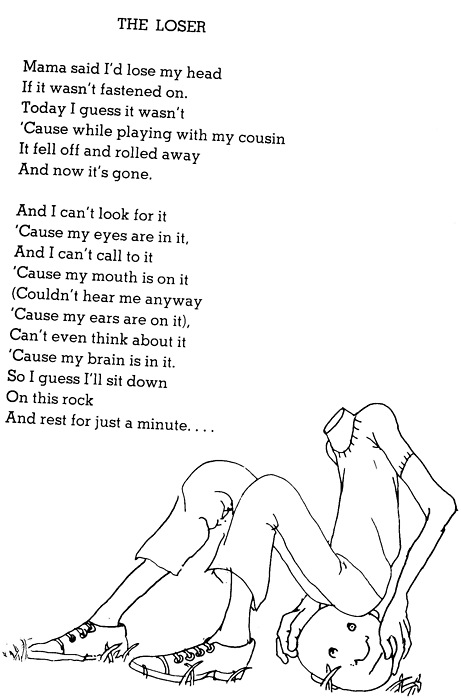
Loser by Shel Silverstein

This post is dedicated to everyone who has lost someone, whether through death or divorce.

In other words, it is dedicated to you.

I left Maine almost a month ago, and so much has happened that it feels like much longer, and yet, like yesterday. I remember the stillness of late summer there, the warmth of the sun and the bite of the first autumn chill in the evenings. I remember long walks and quiet rides in cars, looking at mountains while racing down a small highway. When I return next week, I return to a new-to-me house in a new-to-me town, in much colder temperatures and earlier sunsets.

But. For now. For this moment.

Last year, when I felt very alone one evening while walking to the bank in South Philadelphia, I realized that I had created a life for myself so out of balance that I was now living in a city that scared me at a job that was not fulfilling, and that job was all that I really had. I have never felt more alone than at that moment, and that inspired to change the course of my life to make it better. It was in that moment that I realized that all I had in my life was love for others and for myself, and that love was really all that mattered. It sounds simplistic, but I think it is true. I remember one of the reasons that I became divorced was because we had lost each other in all the stuff of life: the house, the car, the jobs, the junk. I realized that if I was to throw everything we owned onto a pile and burn it, would we have anything left? And the answer was no. Last year, I realized that my life was still not balanced, and I have been working on that balance ever since.  All we have is time, and sometimes we have so much less than we would think.

Lately, I have been thinking about my divorce, and the divorces of others. I am divorced and it seems to mean more to me than it does to others. I can’t really explain this, except that I have spoken to other people who are also divorced and we share the same sense of failure or shame or whatever you want to call it. Some people are able to move through it fast, make a clean break, wash their hands they’re done! But others, like me, even though we may look as if we are over it, take a little bit of time. Almost 4 years to be exact. I feel like, at this moment, I am finally becoming over with the divorce, as if it has passed through me and my time with it is finished.

I got married when I was 23 to a lovely person and we thought we should get married and that we would just work out everything else. And we did, for a short time, until life got in the way. We owned a house together, and once we bought it, we stopped being together. We would physically be in the same house but rarely had substantive conversations. We stopped being a team, we drifted apart, and eventually split apart permanently. Resentment had bred early and festered over a few years. Looking back now, I can see where it was born and how it expressed itself in the eerie quiet that were our discussions.

I remember learning the importance that you come from similar backgrounds during this experience: my ex came from two parents who had been married and divorced three times each, and my parents are still married. Unlike my family, where things get, well I am not going to say worked out but at least tolerated, in his family, divorce was rapid, rip off that BandAid, wash your hands you’re done. One day, after volunteering at the garden in my neighborhood, I came home to find a house almost empty of furniture with divorce papers on the counter. Within weeks, the house was sold and that was that.

Or so I thought. Turns out that I felt a lot of pain and shame and failure about that divorce, even though I know it was best for me and I think, for both of us. Turns out that it is not just like breaking up, although a huge part of it is that pain and that loss and frustration and panic. Turns out that I felt a ton of external pressures looming over me that I had failed my family and my community by not “sticking it out” and by getting divorced. I felt that my family judged me (they didn’t), that some of my friends judged me (but only a few), but more importantly, that my ever-present conscience, or committee in my mind,  disapproved of what I had done. I felt like I had let someone down (I had) and broken a vow (yup, did that one, too). I felt like maybe I would never be good enough to prove that it was the right decision, even though I knew that it was.

I think the problem with divorce is that it is so painful you can be downright terrified to ever risk having it happen again.  It hasn’t been til this week, this transition between Southern California and New Orleans, that I feel like this breath that I have been holding inside my body for three years has been breathed out. For some reason, I held on to that divorce, that pain and that shame and disappointment, for so long. For years! No one held on to it that long, not even the other person involved.

When I get home, I will be part of a small but strong community, and that is a hefty responsibility if you think about it. In Austin, I could get away with being anonymous sometimes, sometimes not wanting to be a part of my community because I was feeling somehow antisocial. In my new town, this will not exactly be possible. Everyone will notice me walking to the post office. Everyone will know I bought milk and cocoa at the store.

Making the choice to live in this magical place, my new-old-summer-now-all-year home is a huge one. It is a commitment to changing the pace of my life, and changing the priorities. I have spent so much of the last 3-4 years (we separated in early 2009) just spinning, confused, and trying to process something that happened that I think just had to have some time pass before it was going to feel better. At some point last week, I realized that only I can stop myself from spinning, can change my perception of myself as rootless and lacking direction. Now I can say, here is where I will be and put down some rootlets into new, rockier, colder soil.

The lurch of divorce is that your whole life was spread out before you and all the people who knew you knew that your life was spread out before you and there was a sense of calm and security when it was good, like, you knew that things were basically going to stay the same and there was someone to support you if things went bad. And you see, when you get divorced, all that flies out the window. All of a sudden you realize that the life you thought you were going to have is either gone or never existed anyway. You realize that the calm and security you felt was inextricably linked to another person who was as flawed as you. You realize that security is gone once that person is also gone. You realize that the person who was supposed to support you really wasn’t able to and now is gone when they were always supposed to stay. So, divorce is disappointing and also earth-shattering and painful and then you have to always say, from now on, that you are divorced. No matter what the reasons or root causes, or how much of a good thing divorce can be after time has passed,  it shakes your world at the core and that shaking is a painful process that can send you spinning off to new schools, new cities, new relationships, and new discoveries about yourself.

I believe I was much too young to get married at the age of 23. I believe now, that if I could go back in time and talk to my younger self, I would give one piece of advice and one only: take a deep breath and slowwww down. Had I done that, I might have saved myself some of the pain that I have felt over the last 3-4 years. But then again, if all things hadn’t happened the exact way they did, then maybe these realizations would never have happened, I wouldn’t be sitting in a living room in New Orleans really late at night, and wouldn’t be about to start living in Maine.

What have I learned on this trip about myself? I have learned that I am feel more experienced, or older than I thought I felt, and that I want a place to call home. I have learned that I really love cooking in my kitchen for friends or for myself. I have learned that I need to slow down this year and really think about everything that I am doing and how it impacts me and others. I have learned to forgive myself for my mistakes and try to move on. I have learned that I need to take deep breaths and brave steps from now on, looking forward and not desperately reviewing the past looking to change something that is already done. I have learned that I am an almost 32 year old woman who is stepping out onto a vast new plain of life with everything I know holding me up against the unknowns that, no doubt, are hurtling toward me during this new phase, and that I will be more careful with myself and with others, will be more true to my word and dedicated to myself and my friends and community.

I learned quite young that I had to depend on myself. There are lots of reasons for this, and they really don’t matter anymore. What I took from that discovery as a young girl was that I had to do everything myself, no matter what. During this trip, I have seen almost everyone that I really truly love in many different places all over our country. I have spent time with some amazing people and I have an incredibly diverse family of friends who make me happy and fulfilled and inspired. They helped me realize that I don’t just have to depend on myself and I don’t have to do everything myself. They have helped me realize that they love me for who I am just as I love them for who they are, unconditionally. They have helped me realize that new friends or old friends are just simply that: friends. People who are in your life. Who stretch out their arms to hug you or give you their ear to listen. People who will give advice or take it as needed. People who see you at your best and at your worst but most often think that you are at your best, and you them. It is a lovely thought to think that life is changing, that new friends will appear in this life, and that they will be this way, too. That no matter what changes life throws at us, there are a few amazing people that we wander into, and who change our lives by making them that much richer. Each of us as individuals fundamentally change those people we connect with, and all of those connections contribute to the richness of this life.  And no matter what bad things are happening, or how fast this life passes before us, the friendships and the people are the ones who are there to share this crazy trip with us. And that means that none of us are alone, but always surrounded by a beautiful, strong but silky web of people who love us.

I have a daydream quite frequently lately. The daydream takes place at dusk, and the sun is setting behind the bare trees. The light is golden near the sun itself but the rest of the air is crisp, winter blue. The blue you see and feel and know that snow or ice is coming. I am sitting at my front window and there are candles on the windowsill, adding a warm orange glow to the blue outside. Sitting in the window, looking down and out at my quiet little street. Sitting and looking, out and above at trees and fog and birds and clouds. Looking down to discover someone waiting for me to see them, standing there with their hands outstretched, saying hello.

The Devil Made Me Do It

Leonard Cohen was once interviewed on the radio about the meaning of his song, “Chelsea Hotel #2”. In that interview, he was asked who the song was about, and he answered, “Janis Joplin”. Later, he said he had no idea why he had said that, and that “the Devil made me do it”.

A Very Weathered Stop Sign

Sorry for the long absence: I traveled across the country again and now am sitting in oh so sunny Southern California, recovering from a nasty case of sunstroke. Turns out that I no longer have the magical heat tolerance that becomes an inherent part of life in central Texas. Turns out that a year and a bit of life in the Northeast makes you into a delicate, cool weather flower.

Red Flowers on the Highway

I have been mulling over the idea of Risky Business for the last few days: how we handle risk assessment in our lives and what we do about it. How do we know how to manage risk, especially in affairs of the heart and the guiding decisions that effect what we do with our time. I had breakfast the other day with an old friend and we got to talking about the dark spots inside your heart and how navigating them can be oh so difficult. Sometimes you fall in love with a person who seems like your ideal on the Earth only to find out flaws within them that make continuing the relationship a high-risk situation where your heart is most definitely on the line. Making the decision to say: this risk is too high is one that is immeasurably difficult when one is already in love. In other ways, managing risk in your life can lead to beautiful things like friends being supportive of your decisions and strangers coming out of the woodwork to surprise you by helping. New friends can drive around new towns in their truck and tell people what a great person you are, while old friends may completely cut you off because they cannot deal with the darkness of your heart, or your inherent vulnerability.

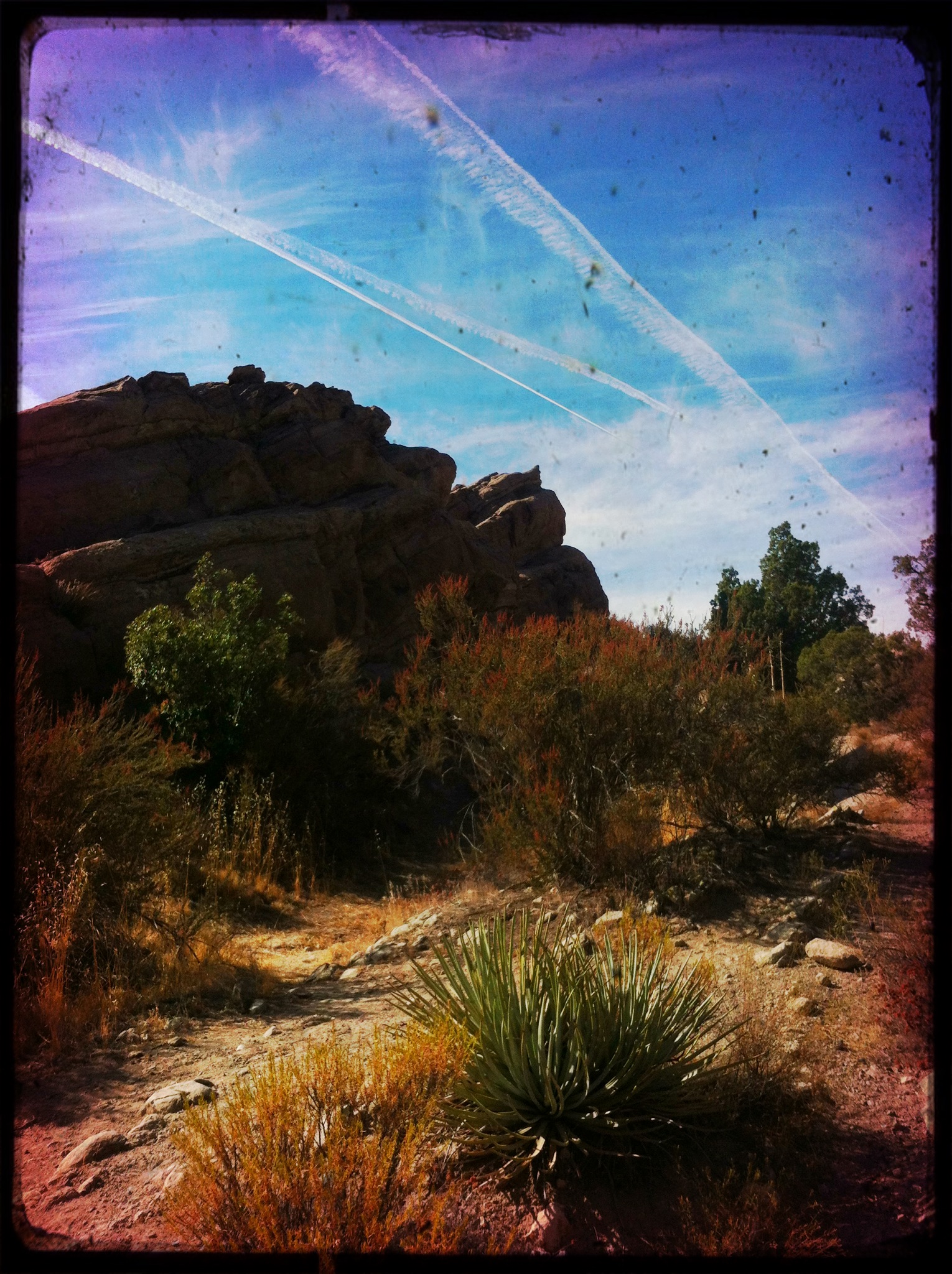
There are so many planes here that the sky is striped

Sabotage, that pesky action when you see what you should do, what you can do, and instead do the thing that will intentionally bring about a negative result, or at least an ending, is a funny aspect of our emotional life. You may ask yourself: why would anyone assess the risks of a given situation and choose to destroy it on purpose? But yet, people do all the time. I am never sure, in cases of emotional sabotage, whether it is an unfair test or simply a way to guarantee a result in a world where paths ahead are inherently unclear. In my life, I take risks and put my feet upon the path, but for others, the risk of happiness or sadness, of fulfillment or disappointment, is too high and therefore, they create a way to know what will happen by destroying the possibilities. Fear is such a foul emotional state; so difficult to keep at bay, but yet, the opposite of love, the opposite of what I would hope the purpose to life truly is.

I went to one of my favorite people the other day for some Cranial Sacral Therapy and I told him that, lately, I have been very afraid of people and their capacity to hurt one another. He told me, “But Patience! The only thing to fear is fear itself!” And he is right, of course.

A Golden Afternoon

This decision of mine to not return to teaching, to forge ahead and become a jeweler, artist and writer instead of what I have created for myself as a sure path of security and stability in this uncertain world, was a huge risk. I can calculate the obvious risks to situations very well: I consider myself to be self-reliant and analytical in many respects. These skills have contributed to my successes but also to my failures: to the sadnesses and disappointments that have coloured some of the time over the last four years. I know now that I will always be ok, but I also know now that just because I can see the path ahead and have a plan on how to do something, that unless I really think it will lead to  happiness or at least contentment, that I don’t need to take those risks to prove something to myself or others. The place where I consistently fail, or at least mis-judge, are the more secreted risks, the skeletons in the closet. I consistently look for the best in people, and ignore or potentialize their best qualities to a point of blissful ignorance that results in my pain or disappointment.

Feet Crawling Around on Big Rocks

So how do we manage risk in our lives in order to keep growing and changing while managing the fear of failure, the fear of others’ capacities to affect us?

One of the greatest thing about traveling for long distances over quite a bit of time is the moments of moving from place to place when you are forced to, usually, sit in one place or another for quite a bit of time and either read a book, knit a shawl, or write page after page, noting as much that has happened as possible in the gridded pages of a Decomposition Book. During these times, I keep finding that ideas bubble up from deep inside my mind to the surface and are understandable. I find that I am intensely creatively inspired by this time, and actually have the mental space and physical time to write things down, to take notes, sort out ideas and concepts.

Maybe the risk of time off is that you spend a lot of time inside your mind, especially if you are lucky enough to travel from place to place alone. But the opportunity afforded to create artwork, take photographs, write, simply just look around while walking, is a priceless benefit of taking the risk of being true to yourself.

Oh Desert…Vazquez Rocks

I sometimes, a lot of times, take huge risks. My family always jokes that I don’t know the meaning to the word no, and I personally believe that if you want to do something, you just should go out and do it and see what happens. For the most part, the risks that I have taken have been hugely beneficial to making me the person I am today. I believe in risk-taking, following your heart or being true to yourself, or however you want to phrase it: the idea is still the same. Calculate your risk, make your choice, live with the results hoping that they are good. Some people look at me and see a woman in a whirlwind, one that has been spinning now for four years, and is just now slowing down.

Southern California Sky

Some of us, all of us at one point or another, get stuck in gilded prisons of our own making. We let the fear of the risks associated with a decision overwhelm the realities of it. Some people stop in their tracks and don’t make dangerous decisions. Some of us create a test of failure. Some of us abandon, and some of us destroy intentionally. Whatever type of wall we put up serves a certain, individual purpose. However, these walls are dangerous when they keep good people out, or bad people coming back through the same gate. The problem is that at a certain age, these cages are easy to disguise and only appear from time to time, betraying the fears, the insecurities and the stubbornness that comes with a sizeable chunk of time on the planet.

Sunstroke

Lately, I am very confused by many decisions that people make, especially in terms of daily happiness and love. We all make mistakes, we all learn every day, at least I hope we do. We all repeat our mistakes over and over again, until we actually can see them like other people do. We deny our role in the breaking apart of people or life path. We beat ourselves up for mistakes made instead of saying: that mistake happened and now it is time to learn from it and move on. We sometimes choose to surround ourselves with people who can hurt or spread their disappointment to others, and then think that we can fix them with our love, when we know clearly that the only person who can change you is you, yourself.

Desert Canyon

Risk is taking leaps out into the world, knowing all we do and more importantly, all we don’t.