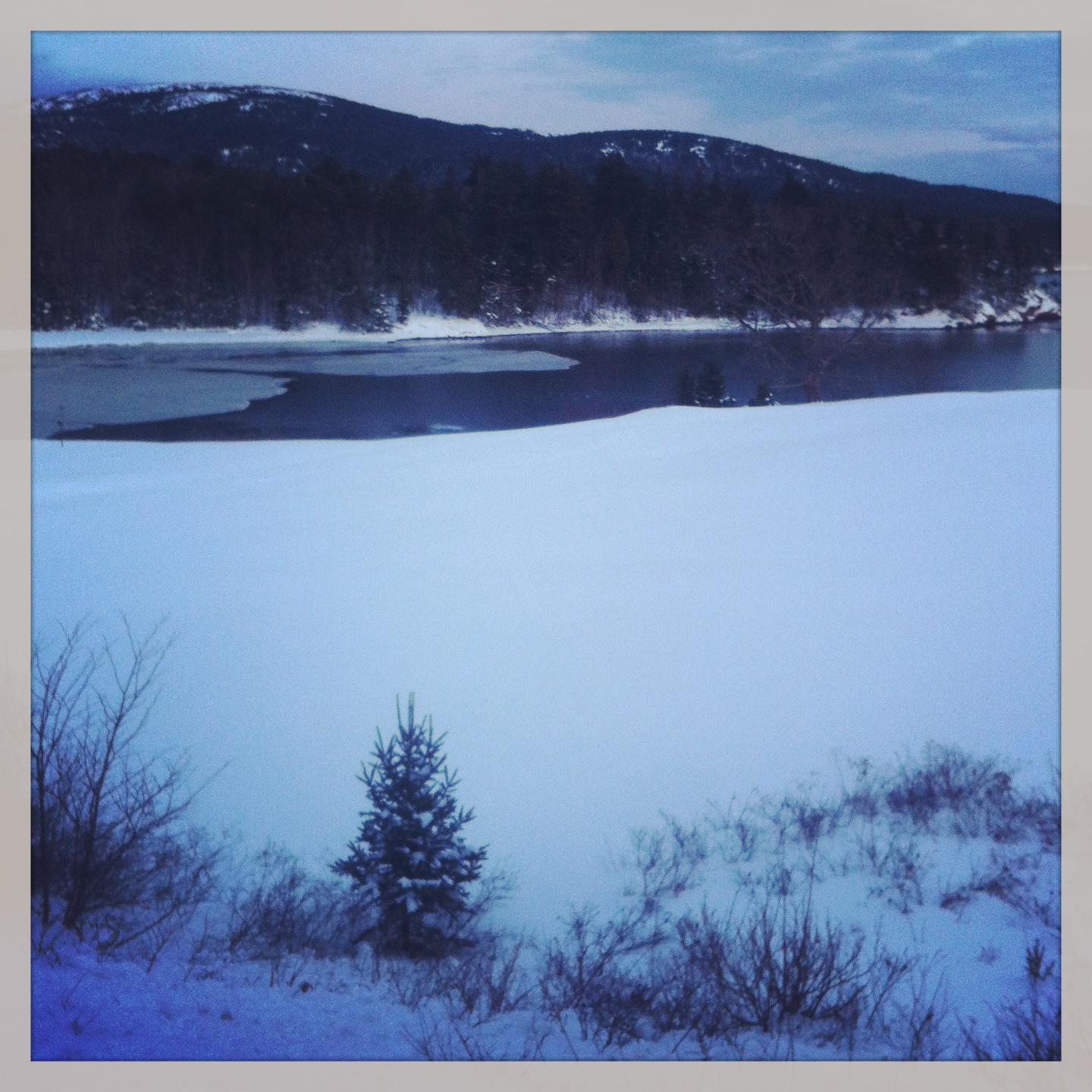
At the End of a Grand Year

Chinese Lanterns

(On my birthday, we had only two, but it was still beautiful)

Frida necklace13“Pies, para que los quiero si tengo alas para volar?” – – – Frida Kahlo

2013, lucky 13, was a year of great changes and growth. It was a year full of walking and ice skating and driving around my new home of Downeast Maine. It was a year of new friends and a new life, of teaching art to children and adults, of becoming a craftsperson full time, of, in general, adjusting and changing and adapting to this place that adjusts and changes and adapts as the seasons switch and the days appear and disappear, ever different, no two the same.

what shall weIndeed

Last night, while yet more snow fell and the skies looked ominous and grey-orange in the lateness of a December night, I spoke about how I felt that the winter here is more beautiful than the summer. My friend who I stood with, in the dark, said that he cannot really appreciate one without the other, implying I suppose that the contrast between the seasons, the starkness of this place, is what inspires the wonder and awe that I feel when finding myself on a porch at night with sleet and snow pelting my curly hair.

blizzard 4

Last year’s first snow, magnified on my windows

“I like it when I take the controls from you, and when you take the control from me. I really am a lucky man…” says Bill Callahan in his song, Small Plane, one of my favorites of his and a perfect song for the last few days of what was a huge year for me.
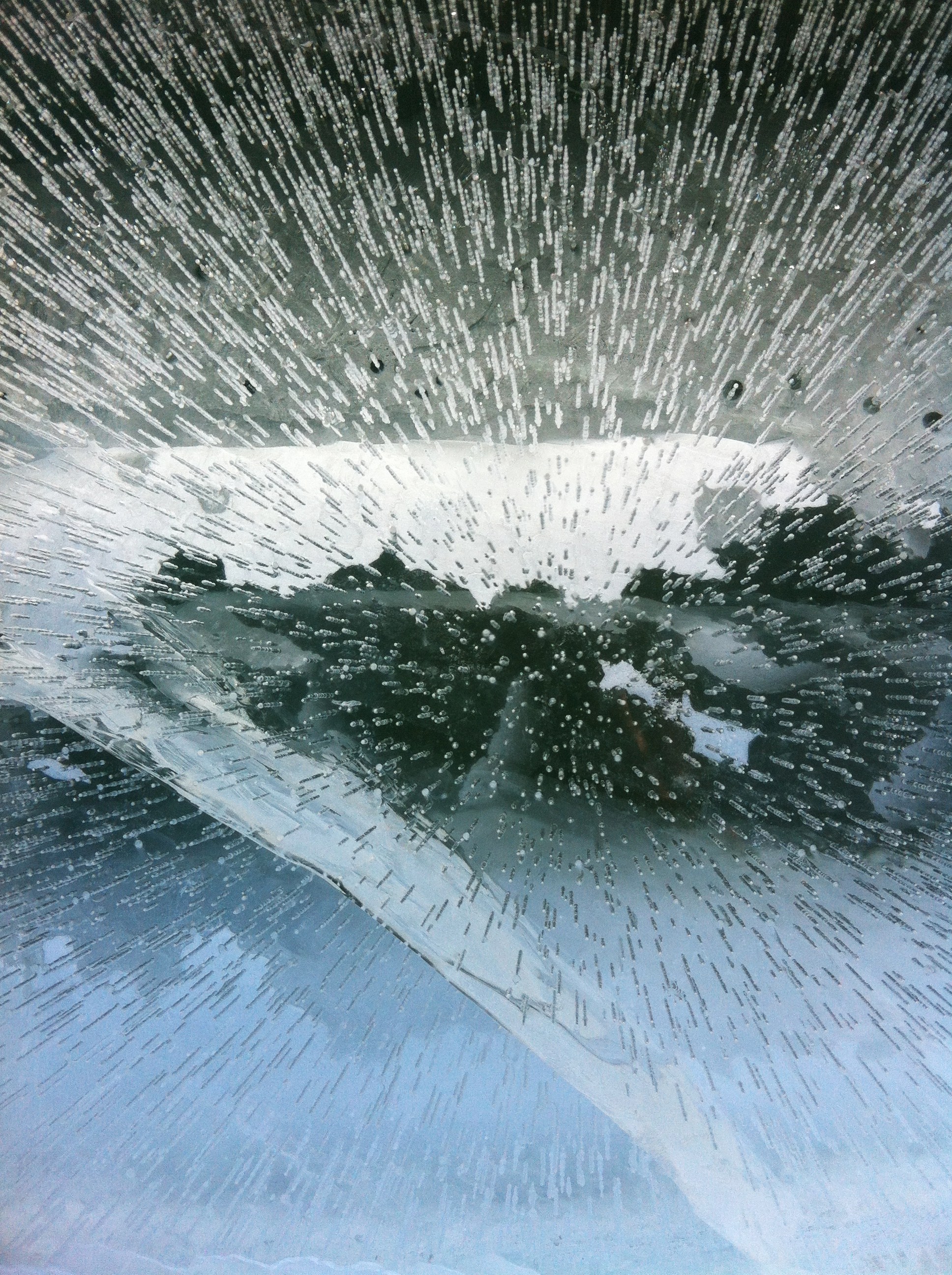
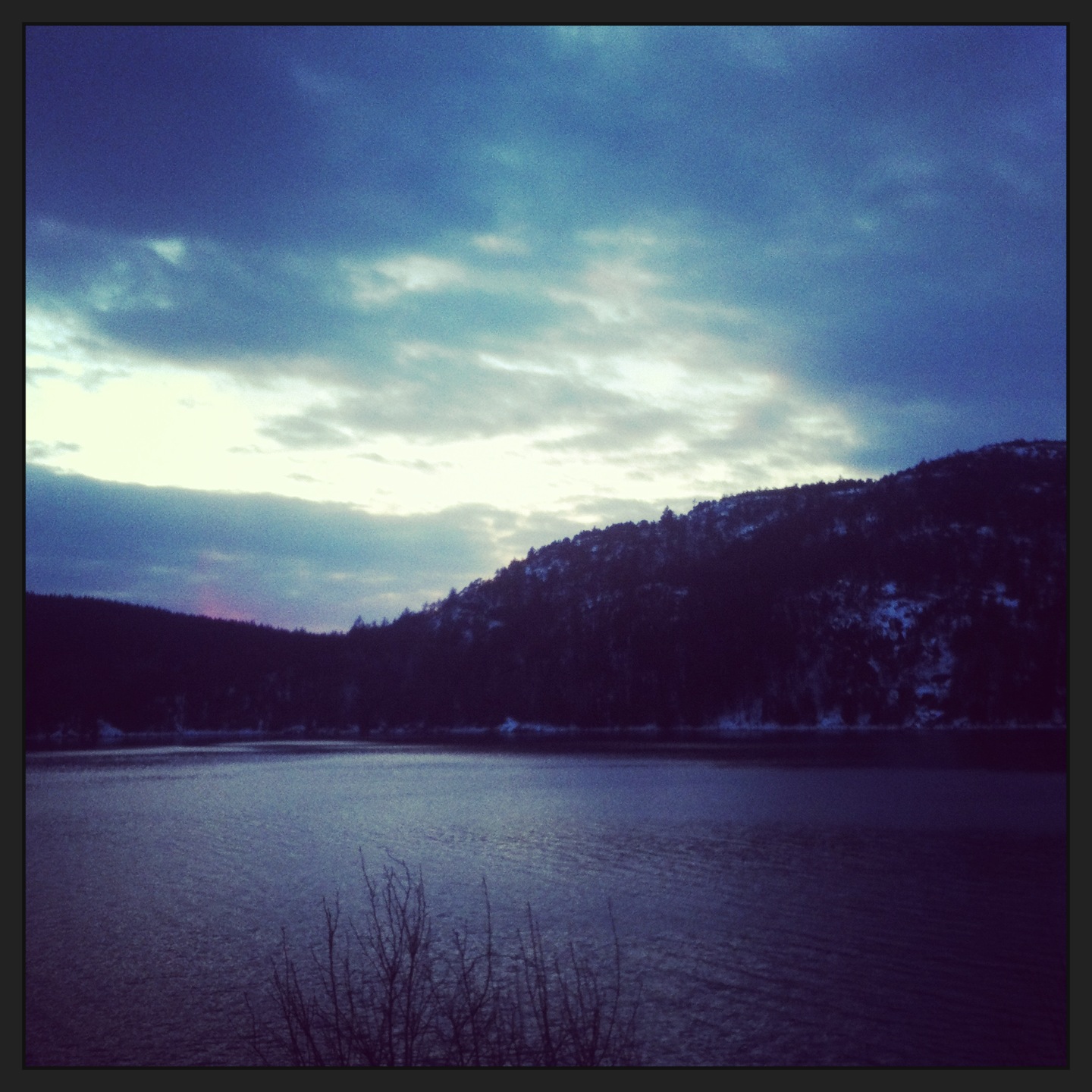
Jordan Pond January 5Ice-scape from Jordan Pond

A year ago, I lived in a beautiful but cold apartment that sat up above a quiet street in Northeast Harbor, Maine. I named it the House that Floats, and soon after, I moved into The Caravan: the tiniest house in Northeast Harbor. I packed my life into a space that is less than 350 square feet, and made a life there by planting flowers and vegetables, sewing, and making jewelry into the wee hours. It is a house with few doors and no closets: it is like living on a very small ship, with everything battened down into its appropriate place.
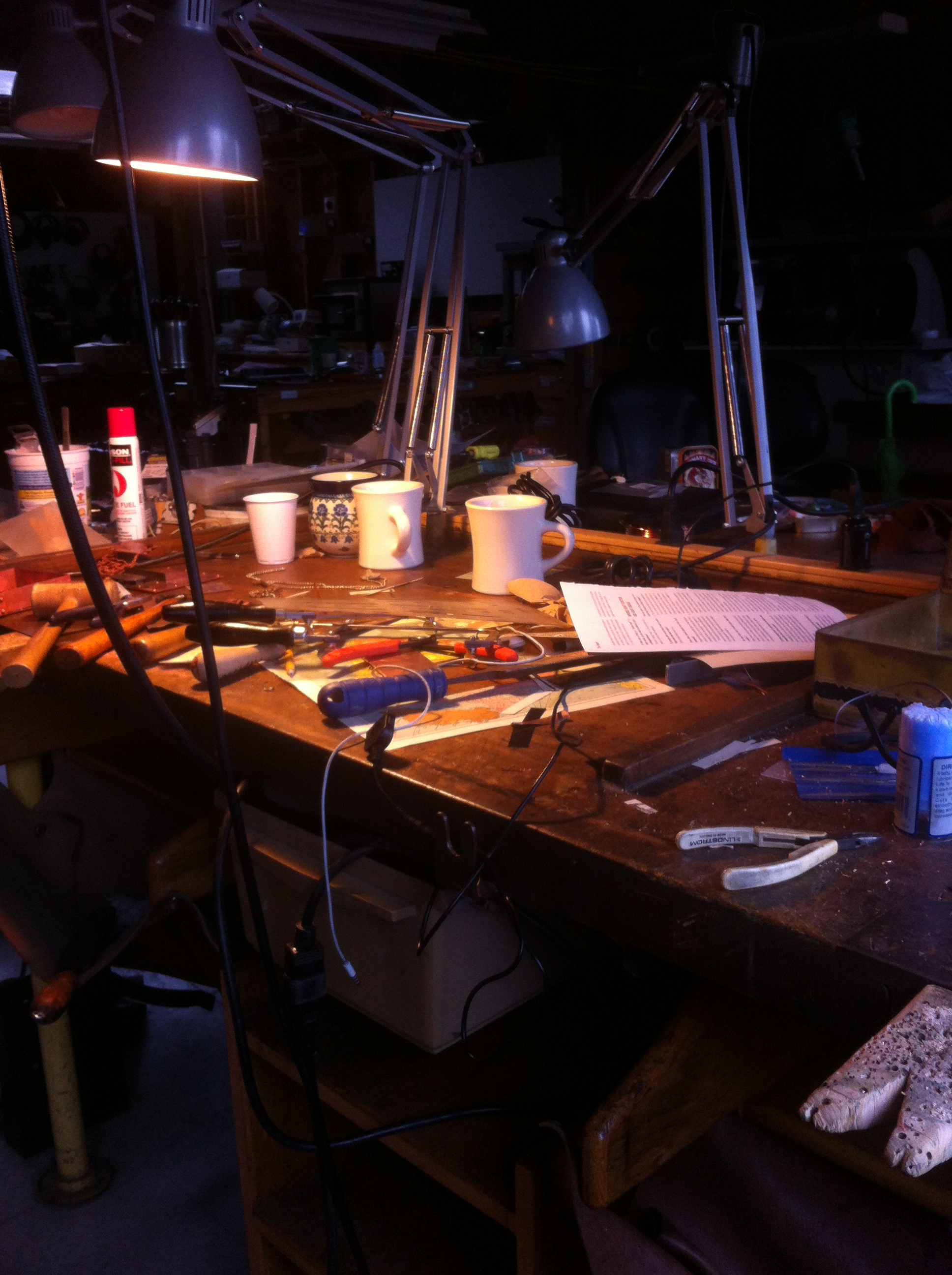
early morning coffee cupsEarly morning coffee cups at Haystack Mountain School of Crafts

Soon I will move into a new place, and I am not sure what its name is yet, only that it is a very blank slate in a very new town. I realized whilst walking around it the other night that I have no furniture at all anymore to put inside it: no table, no bed, no anything at all save a workbench, a sewing machine table, a cabinet and a bookshelf. So I suppose I do have some things, after all. If I have learned anything from life, it is that our magpie nature dictates that we fill our spaces in no time, and no doubt, the new house will fill up quickly with what I consider to be beautiful things. I decided a little while ago that one of the gifts of all the transitions over the last few years is that I get to decide what and who comes in my door, that this life is mine to create in beauty to the best of my ability.

laboriousA Laborious Mosaic

This past year has taught me a thing or two about beauty, and about cultivating a beautiful life. I have done my best to keep moving forward in this new place, this place in which many people have been for years. I still feel very, very new here: a feeling only amplified by the choice to try a new town on the same island. My newness is exposed almost daily as I remark on sea smoke on the ocean, or ice on the branches of trees, or on the discovery that a good winter coat really saves you in the cold days that seem to be with us with full force. Tonight we go down to 0 degrees, and over the next few nights, to much below that as we enter January. As far as I remember, January was the coldest month, last year full of ice skating on fierce winter days, and that by February everyone is ready for the bitterness of winter’s chill to be over, only to realize that at least two months lie before us before the warmth returns. February, as one of my friends said, is when everyone goes crazy for a while, just dealing with being in the middle of it, rather than at the magical beginning, or the slushy end.
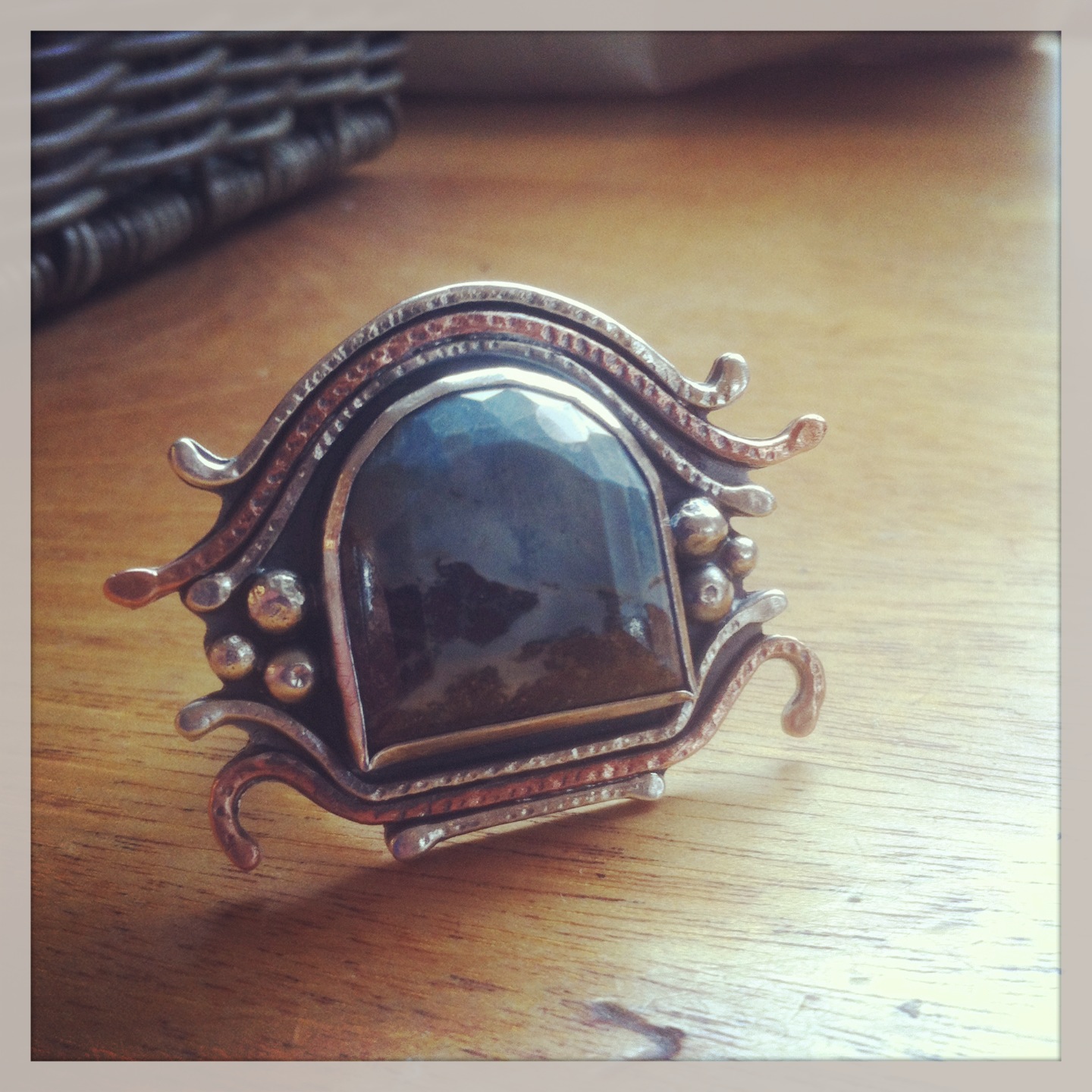
autoretratoAutoretrato

But, I am getting ahead of myself. Here we are, on December 30th, one short day away from a new year. I am sitting in a beautiful old house in Bar Harbor, housesitting and catsitting for friends who are out of town. I am eating pasta alla carbonara and drinking French wine that I bought from the folks who run the restaurant that took all my time and energy this past summer. I am thinking about what I want for the new year, what I am grateful for from last year, and what to do on the very important last day of 2013.

2667_1127644710456_1297271_nPlanting strawberries: another life (2007)

I have a few habits for New Years Eve; I clean my house very well, I take out all the trash, I pay all the bills, I sweep the dust out of the door. I light candles and eat good food and try to reach the people that I care about. I think about resolutions in a realistic way, as far as what I can really do with my time in the new year. This year I am resolving to be more organized in my business and teaching, and to believe all the compliments that people give me in order to be helpful and keep me going on this path. I am trying to let go of some fear and terror that has held me back for a few years in the hope that it is only a roadblock put in place by my survival skills and instincts. Fight or flight has no place for me here in my new home: this is a place of peace and forgiveness and acceptance of differences. This is a place where people help each other.

carousel 2Carousel

Last night, during another long conversation, a friend and I spoke about the North Pond Hermit and other Maine characters of special significance. A friend of mine who used to live here was complaining the other night about how anti-social everyone is: how everyone stays home and expects others to come to them, about how everyone entertains themselves with various projects. I agree that it is a different sort of place in that way: we all are here for some reason, and I think that reason has something to do with peace and solitude, with creativity and independence, with being away. It is hard sometimes to communicate with people who do not wish to live here about the power of being away here, away in a small community of independent spirits, who occasionally gather together over dinner or a fire. Is it escapism living here? Sometimes I wonder about that, wondering if it is a sense of escaping the external world into a world of your own making. Sometimes I wonder if that is bad, or good, or neither. There is a power in creating your own world, and there are few places where you really can do that; in most places, I think the external forces are so strong that you are challenged to create an inner world at all, much less one that can influence and forge your external world in a meaningful way. There are so many people here who do so many things: small things that add up to a very rich and full life. Some people might think that life too quiet, and that, I suppose is why there are so few people here. Another friend said a few months ago that the beauty of this place is that there are so few people, and the ultimate downside is that there are so few people.

viseReliquary of the Heart

Is it a place of contrasts? To be sure. Is it a place of introspection and quiet? Again, to be sure. Is it the end all be all? Most certainly not, but I am beginning to wonder if there is a place like that at all, or if life, is, indeed, what you make it.

Egon Schiele Landscape 1913Egon Shiele, 1913 —

I pasted this to the front window of my house. Each day as I stared outward, the landscape reminded me of this painting.

So, here we are, sitting on the cusp of a new year. Tomorrow night, during the new moon, we will all listen and watch as another year ends and one begins. My prayer for the new year is that we spend more time noting the present, thinking about the future, and are less hemmed in by our past.

I hope to spend more time thinking about where I am then where I have been or where I am going.

looking outLooking Out, Looking In
A Man Named Granny

dan photos september 2013 231Peggy’s Cove, Nova Scotia

The man named Granny lives in a tiny house in the woods; surrounded by the homes of his close family, he lives in relative quiet and isolation from the surrounding, larger world. Granny’s small cottage is shingled in Maine white pine, finely landscaped, and when you drive past his house at the end of the day, the sunlight shines, flip-flapping, through the tall trees that border the sound.  Whilst driving, and seeing the little houses that are the homestead of the Toogoods, I wonder how it was that this man came to be named Granny.

dan photos september 2013 230A Summer’s Afternoon in Peggy’s Cove

The real story of Granny is actually one of his mother, who also was named Granny. I have often wondered what the elder Granny’s name actually was, or if she was simply a grandmother. I have often wondered what the younger Granny’s name is, too, since I only know him as “Granny”, as the man with white hair and a strong handshake that I sometimes meet when I walk into McGrath’s for coffee in the morning.

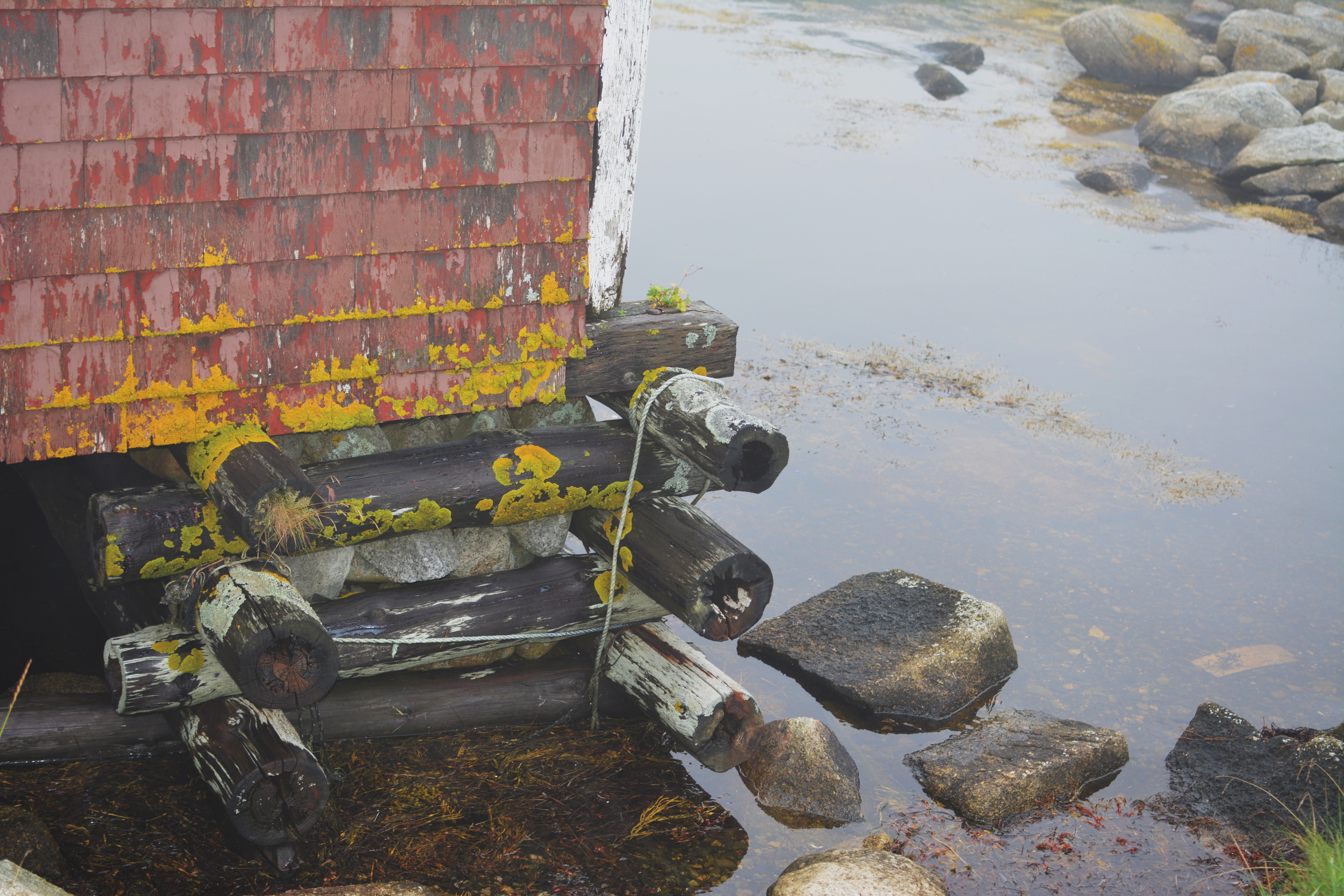
dan photos september 2013 232Lichen growing on an old fishing house

Diane Arbus must have been describing Northeast Harbor when she wrote: “There’s a quality of legend about freaks. Like a person in a fairy tale who stops you and demands that you answer a riddle. Most people go through life dreading they’ll have a traumatic experience. Freaks were born with their trauma. They’ve already passed their test in life. They’re aristocrats.”

Granny is another unique personality in our small town, our “island of misfit toys”. This is a town of women who walk down the center of Main Street with parrots on their shoulders, a town where heiresses marry the sons of construction workers, where grocery store employees drive black Cadillacs with the slogan “Touch of Class” emblazoned upon the back windshield, where people hula hoop on their way to parties, where people abandon apartments only to leave 14 desiccated cats in their freezers, where people feel their lives are in the midst of a very tiny, crowded, and misanthropic fishbowl. This is a town where one minute you can be disliked by many, and the next, defended by those same people who sought to run you down because people from away are trying to do something to shut you down. The old saying about freaks goes something like: she may be a bearded lady, a freak!, but she is our bearded lady.

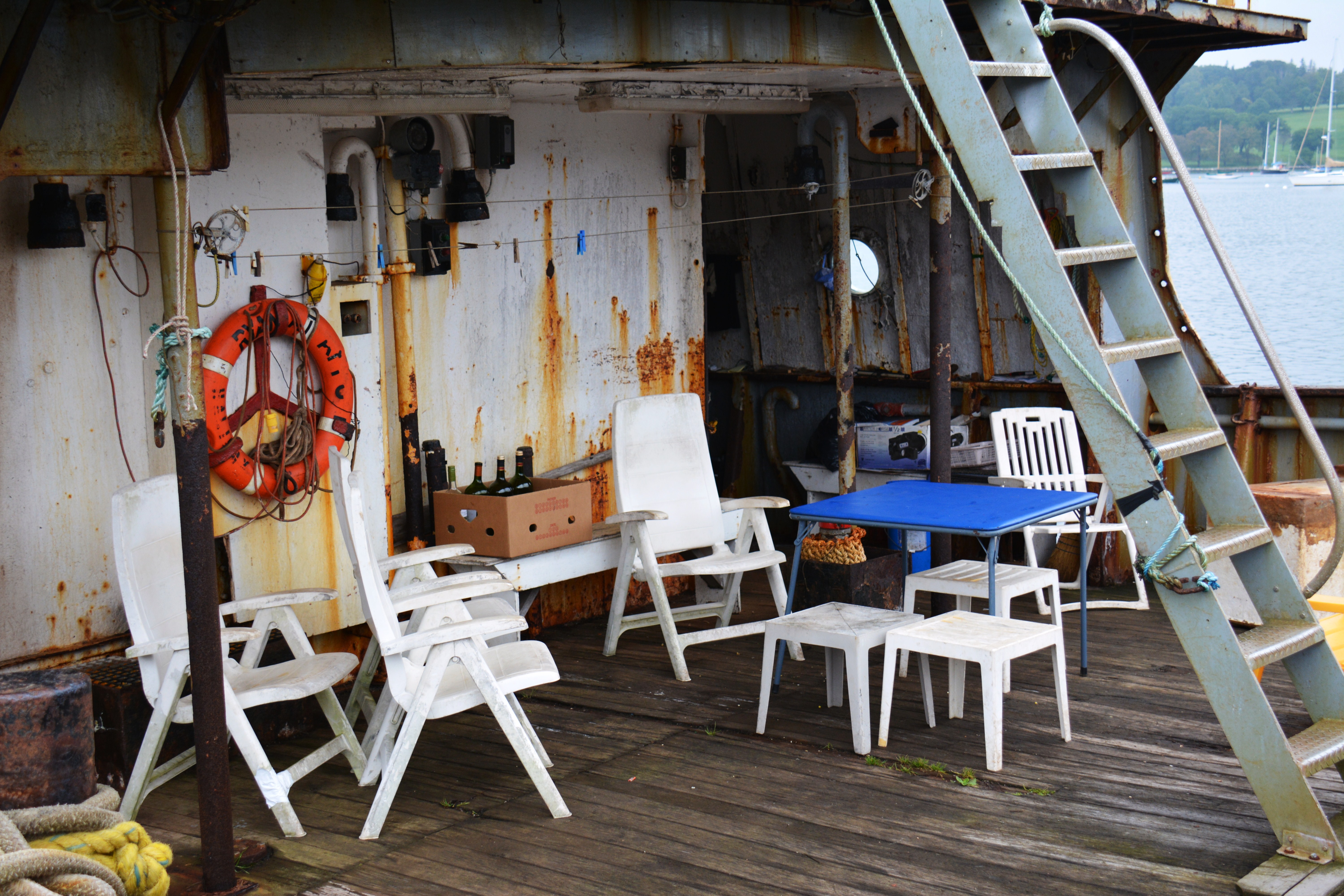
dan photos september 2013 241On Deck: Lunenberg, Nova Scotia

And so it goes, life, marching on, one step in front of the other, and we all experience the orbit of our Earth around the Sun in different ways.

“We’re freaks, that’s all. Those two bastards got us nice and early and made us into freaks with freakish standards, that’s all. We’re the tattooed lady, and we’re never going to have a minute’s peace, the rest of our lives, until everybody else is tattooed, too.”

J.D. Salinger

dan photos september 2013 242dan photos september 2013 246The Most Beautiful Scallop Dragger in Nova Scotia

Today is the one year anniversary of me moving to Northeast Harbor, Maine. I came here from Philadelphia, city of 1.548 million people, after living in Austin, city of 842,592 people, for almost 12 years. Northeast Harbor, Maine, is a town of 300 people year-round. In the summer, our population swells to close to 2,000, but most of the time we move along with only 300.

dan photos september 2013 247Rust, Paint

dan photos september 2013 248

During this time, I have learned how it is to be one woman in a small town. I have learned how to be beholden to strangers, and how accountability in a community works. I have learned that everyone talks about everyone else, mostly because it is more fun to talk about other people than focus on yourself.

I have learned the true goodness in people, and I have learned that some people will be nasty no matter what you do to make them see the light. I have learned that every personality has a place in our small town. I have learned that people help each other, even when you don’t necessarily want them to. I have learned to take a deep breath and not take things so personally. I have learned why it is good to be a person in a place, and of a place. I have learned how to live near my family without it feeling overwhelming. I have learned to say yes, and to meet new people, and to understand that just because things aren’t perfect, doesn’t mean that you should search, constantly and without end, for an unattainable perfection, a perfection that only exists in TV shows. I have learned that everyone you meet has something to teach you. I have learned that the peaceful joy that comes with sitting near the water and listening to loon calls at night is the most powerful antithesis of the stress of my previous life. I have learned the beauty of quiet, and the kindness of people.

dan photos september 2013 229Do You Think He’s Missing His Gloves?

I have learned about trust and openness, intimacy and fears. I have learned to put one toe out into the deep waters of life, and to hold it there, trusting that goodness will return from risk. I have learned about friendship and love, and how things may not always be the way they seem at the get-go. I have learned about beauty: natural and human. I have learned about adventure and calm. I have learned about quiet time and the importance of hearing your conscience. I have learned to sit and listen on long docks that jut out into the ocean. I have learned how to be a new person in an old place. I am trying to be patient and just to see all that is happening around me. I have learned to laugh, and to try to understand everyone and everything that cross my path, but not to take any of it very seriously.

dan photos september 2013 233Sitting on a Bench

I have learned to talk to the wild birds, to grow flowers, to appreciate the wildness of this tiny island. I have learned to forage nettles, eat rosehips, and look at yellow beech leaves in late fall. I have learned what sea smoke is, and why it is important to drink coffee and look out at sailboats, to drive for hours through the Maine countryside, to have conversations with new friends where each betrays one’s individual intricacies. I have learned that it is acceptable to fundamentally change the course of one’s life, and to be a friend to those who seek the same.

I have learned, ultimately, that just because it is random, unplanned, indescribable, organic, and dynamic, that doesn’t mean that it isn’t the highest form of living, the one based on a vital interest, a serious, daily investment in the course of one’s life. Are we here to have fun and to help others have more fun? Yes. Are we here to notice, engage in, and expand all the beauty that exists in our world on a daily basis? Absolutely. Are we here to feel the viscera of experience and understand that the closeness of life’s twists and turns, and the impacts of those changes on us and around us are here to help us notice that time is fleeting and like smoke: we cannot grab on to time, only watch it pass? Undoubtedly.

Here’s to a year, and here’s to where it all began.

dan photos september 2013 325On a Canadian Ferry, Early in the Morning

Meredith Drew, Three Years Later

dans garden end of august 2013 024I met Meredith eleven years ago, when she lived in a renovated Arts and Crafts era bungalow in The Heights, a splendid Houston neighborhood. The house had a front porch, and a very small boy inside. The small boy played with everything, but had a true passion for living things, especially insects. In that house, the small boy hatched an egg of hundreds of Praying Mantises, who, of course, escaped their cage and exploded all over the walls, the bed, the floor, the jambs of doors: all surfaces of that small room were covered in tiny mantids.

My memories of that house were of how much I loved its dark wood, the kitchen with its funky tiles, and the artwork that was everywhere. There was an old leather sofa, paintings, drawings, an African mask, a sword or two, books, papers: everything that was in that house reflected the complicated personalities within it. Meredith and her son lived there with her husband, the man behind its renovation and its steady march to monotony. The colors disappeared, the landscaping was typical, and there was only one tiny blotch of color to distinguish the way the house was when they first arrived.

Meredith was my soon-to-be husband’s best friend’s mother. Meredith was disorganized, irreverent, opinionated, sarcastic, and she cursed a blue streak most of the time. She also had a fierce glint in her eye, and when she thought something was particularly funny or insightful, the glint combined with an upturned motion of her jaw, and she would nod as if what she believed was common sense to all, and hilarious.

I cannot count the number of times I cleaned Meredith’s kitchen, or tried to get her papers in order: she was inherently a creature of disorder, of mess, of clutter. Meredith had lived many lives before I met her; she had been married, divorced, raise two sons on her own, was an accountant for a huge accounting firm that later lost their influence during the Enron scandal, was remarried, and had a very young son who was about fifteen years younger than her eldest. Meredith loved history and families, she had a huge respect for her father, had a great Texas accent, knew many stories of the way life was when she was growing up outside of Austin, kept lists of good books with descriptions of why they were great, had amazing collections of everything you could want to peruse on a slow weekend day, and she had an open-ear policy for listening.

Last Sunday, I went with a friend to a friend’s mother’s funeral, and many people whose life she had impacted spoke up. There were stories about skiing and vacations and puzzles and dinners, but the common theme was that this woman had taken in all the lost children she had encountered along her path. Meredith was similar, and our friendship was a back-and-forth of giving and taking of what we knew the other one needed to know.

dans garden end of august 2013 031At the beginning, I saw Meredith as a tough as nails woman who had almost literally fought her way through life and was left standing. As the years went by, though, I began to realize that her tough exterior was a mask covering a very sensitive and uncertain soul. Sometimes I feel like one of the reasons that I am on the Earth is to be a friend to those people who are locked within themselves, and to bring them out. Just as old houses sit for years, asleep, before the right family moves in and fixes the porch and plants some flowers, many people sit, alone and closed off from those around them, even if their surface exterior would show you different.

Over the years of our friendship, Meredith helped me and mine a lot. She helped pay for and plan my wedding. She gave us gold to melt down for our wedding rings, and made sure the baseboards of our house were vacuumed before the wedding, much to the consternation of my mother and my soon-to-be husband’s mother, who wanted to stake their own claim as dominant women of the day. When we moved to New York somewhat on a whim in the early spring of 2005, she helped us pay our rent to our roommate, her son. When she visited, she laughed at the huge vegetable garden and how invested both my husband and her son were in it, a project they did not want to participate in during its inception, when I spent hours tilling the soil at the top of a giant hill in Croton on Hudson, New York. When we returned to Texas, she and her husband and their young son were living in a new, larger house, now in San Antonio, and I spent many hours drinking wine out of tiny wine bottles, the ones that come in four packs at the grocery store, sitting on the edge of their pool, under a canopy of wisteria vines.

dans garden end of august 2013 032Time passed, and my marriage fell apart due to many things, mostly a lack of an ability to talk to one another. We went separate directions but stayed in the same physical space, I think hoping that with time, we would find our way back, but we never did. In the early fall of 2009, we were divorced, our house had been sold, as had most of our furniture. I left the house I loved so well, with its native plant garden in the front, and huge vegetable garden with chicken coop in the back. At that time, I thought that Meredith belonged to my ex-husband’s friends, and although we emailed sporadically, we lost touch.

Later in 2010, sometime around May, my friend Angel told me the news that Meredith was very sick and had cancer and was living alone with her young son in an apartment in South Austin. With phone number in hand, I called her up and went to see her.

When I first saw Meredith, after all that time, almost two years at that point, I was shocked and afraid. She couldn’t use one arm and was very thin, and her house, of course, was a mess. Her young son was struggling in school and was barely leaving his room, and when he did, he would go on long walks in the woods wearing all black clothing, long sleeves even in summer. She had no doctor, no insurance, and no path to healing. She was stuck.

The first words she said to me were: “it is so good to see you.” And it was.

Luckily for me, it was almost the beginning of summer, and I was able to spend every day with her, sometimes for a few minutes, and sometimes for hours. Somehow I managed to find some care for her: an oncologist sometimes, a visit to the emergency room other times, a spiritual healer at others. I tried to clean the apartment, clean the kitchen, get her to eat a little bit. Sometimes, her eldest son and I would fight, like we always do, about what should happen. She became more and more ill as time went past, the cancer spread from her throat to her lungs and her stomach, to her esophagus and eventually to her brain.

During that time, I saw many scary things happen to Meredith and to her family as a result of being a 52 year old woman with cancer and no insurance. I discovered that there are no programs for truly poor women of non-childbearing age. Once, during a crisis, I took her to the ER for a blood transfusion, because her form of cancer seemed to leave her bloodless from time to time, and when we were about to be released, I asked a nurse what on Earth I was supposed to do with her. She said, “move to France?”.

Meredith wanted test after test, scanning for any information she could glean that would make her feel better. She laughed about many things, she fought with her family and friends. She grew angry quickly, because she was so tired. She didn’t want her sons to know how ill she really was, and how she was really feeling. One day, I asked her if she wanted to go to the emergency room, and she said no. I asked her if I called her nurse and the nurse said it was a good idea, would she go and she said yes. A minute later, when her middle son arrived, she changed her mind and said she was fine, so that he wouldn’t know how awful she felt. We took her anyway, into the hospital, where he became paralyzed in speech, and I had to tell the doctors and nurses what they already knew, which was that she was dying of cancer very, very quickly.

My memories of that time are hazy due to the intervening years and the intensity of the experience. I cared for Meredith to the best of my ability, and I know that I failed a thousand times where maybe someone else would have succeeded, but I also know that I tried my very best and so did her middle son who moved to Austin midway through the summer to live with her and her youngest son. He and I started sneaking marijuana into her food since she couldn’t smoke anything and would lie about it because she would actually eat when her avocados were spiked. He was quiet, stoic, calm, like a rock during those times. I will never forget his solitude, his way of clearly experiencing grief in his own, very individual way.

Close to the end, Meredith and I had a phone conversation in which she said she was trying to figure out how to “pierce the veil”. When I asked her what she meant, she said that she was trying to figure out how to send us signs so that when she died, if she needed to get in touch, we’d know it was her. She also requested that we get her stuffed, taxidermy style, so that she could still come to Christmas. The closer we got to the end, the clearer were her meditations on the meanings of life, and her most vivid, most intense belief was most certainly that the the individuality of the soul of a person was the most beautiful, mystical, and wonderful aspect of life on Earth. Over time, her conversations about where we came from, in the universal belt of souls, or somewhere in space, or astrology, wherever it is, became clearer and clearer to a point when I knew she wasn’t afraid to die, but she really wanted the people in her life to know how much she cherished them.

When she was moved into the hospital, during the last week of her life, she retained her wit and her spunk and her vigor and her downright mean streak. She asked us to rearrange her room so that she could look at pretty things and nothing that was informational or had to do with being sick. During those last few days, thanks to morphine and the loss of her functions due to the cancer expanding in her brain cells, she began to travel through time and across the world on a seemingly magic invisible carpet. Sometimes she was in Asia, Africa, Australia, America during the revolution, in the air, on the water, on the land. Over and over again, though, she repeated how much she loved her boys. Three of them, each so different and yet connected to the Earth by Meredith, sat beside her and listened to her ramblings, her stories, as she slipped away from us, beyond the veil about which she had spoken earlier.

When she died, I was teaching in my classroom, and was lucky enough to leave and sit with her middle son, his girlfriend, and Meredith’s sister, with whom I had become quite close. Later, only Margaret and I remained in that tiny room with what remained of Meredith: her body, not her at all.

Once, a friend of mine told me that Meredith was scary, in a way. Meredith never was on the Earth, in a grounded sense. Meredith was of the Earth, a powerful, difficult, and dynamic lady who struggled, perhaps more so than most people, but who made her way through with stories to tell and curios to share. Meredith was straight up and had no filters; Meredith made mistakes, sometimes huge and sometimes small. I say this because, in her final moments, her feelings of love were all that were coming out of her, and that shows me that she really was a creature of love, after all.

Three years and two days ago, I lost my friend Meredith Drew to cancer. During her memorial service, I saw photo after photo of my beautiful friend, and learned many things about her life that, sadly, I never had the time to ask her about. So life goes; it moves so fast, and just sweeps us along with it. I was just sitting on my porch, staring at the stars, wondering what now, and I had to laugh, because I realized that if I called her to ask her that, she would just laugh at me and I would be able to see that glint in her eye clear as a bell through the telephone. So, I see it in the stars instead.

dans garden end of august 2013 037

The Duke of Gems

sign_fortune_teller_thmb

“Go outside, clench both hands into fists and holdig your arms straight at your sides, come back inside and show me your left palm.”

I followed instructions to the letter, walking back into the studio on an early summer afternoon, after a long boat ride, a visit to a messy school building, and a conversation with a master puppeteer and stained glass artist. I had spent my morning eating gingerbread and staring at deep purple iris, gazing at the dark blue water and watching the land and the ocean pass by.

In the studio that day were piles of gemstones, both precious and semi-so, laid out on our cases, packed inside plastic bags, stored inside black cases.

The Duke of Gems grasped my left hand and rubbed it with the fingers and thumbs of both hands, and said,

“Who is this guy?”

I said, “excuse me?”

“Who is this guy? Do not commit to this! You don’t know him, he is not here yet. Do not commit to this, for marriage for the sake of it, for the paper, is not right.”

I stood, bewildered. My coworker said, “Do mine!”, and he proceeded to ask if someone was bleeding, sick. She, looking shocked, said, “I am a midwife, what do you mean?” He also mentioned that there was no threat to her father but that he must behave during recovery.

Next he turned to another coworker and asked, “why are you holding on to this? This weight is on your shoulders; it is as if you are diving into the deep water, and are doing it by choice!” She looked sad, explaining her situation, and he told her to stop.

Lastly, he said to our fourth at the studio, “sometimes when you help people this much, you are actually hurting them.”

Then he said, nonchalantly, that sometimes people tell him he is in the wrong profession.

We four, bewildered, continued to siphon through stones, picking out treasures as he continued. He and I spoke in Spanish, he told us about his family, and about the trade in stones. He showed us a $10,000 mystery stone and told us about buying and selling, winning and losing money.

Just before he left, he said to me, “Patience, what are you doing here?” I said that I had been offered a teaching position out on an island and he shook his head. “No,” he said. Then, “you can try it. You can go ahead and try it but it is not what you will do. You need open space, this place is too small, you need the open spaces. I would love to see what you will be doing next time I come, but you will not be here.”

The feeling of mystery continued until he left us almost four hours after he had arrived unannounced, and unknown to any of us. I had an idea to whom he was referring in my case, my coworker continued to counsel her patients and told her father he must behave, and our other two friends made moves to reconcile the emotions that he had voiced for them, too.

The next day he called us said he had been up all night praying for one of us.

3-film-still-fortune-telling-granger

A Sense of Place in Time

Haney House

This was my house, until about four years ago. My house, the Haney House,  was the last place that I felt home, a place where I didn’t have to run from one thing to the next. It was a house in which I could stay, and paint the walls, and build gardens, and raise chickens.

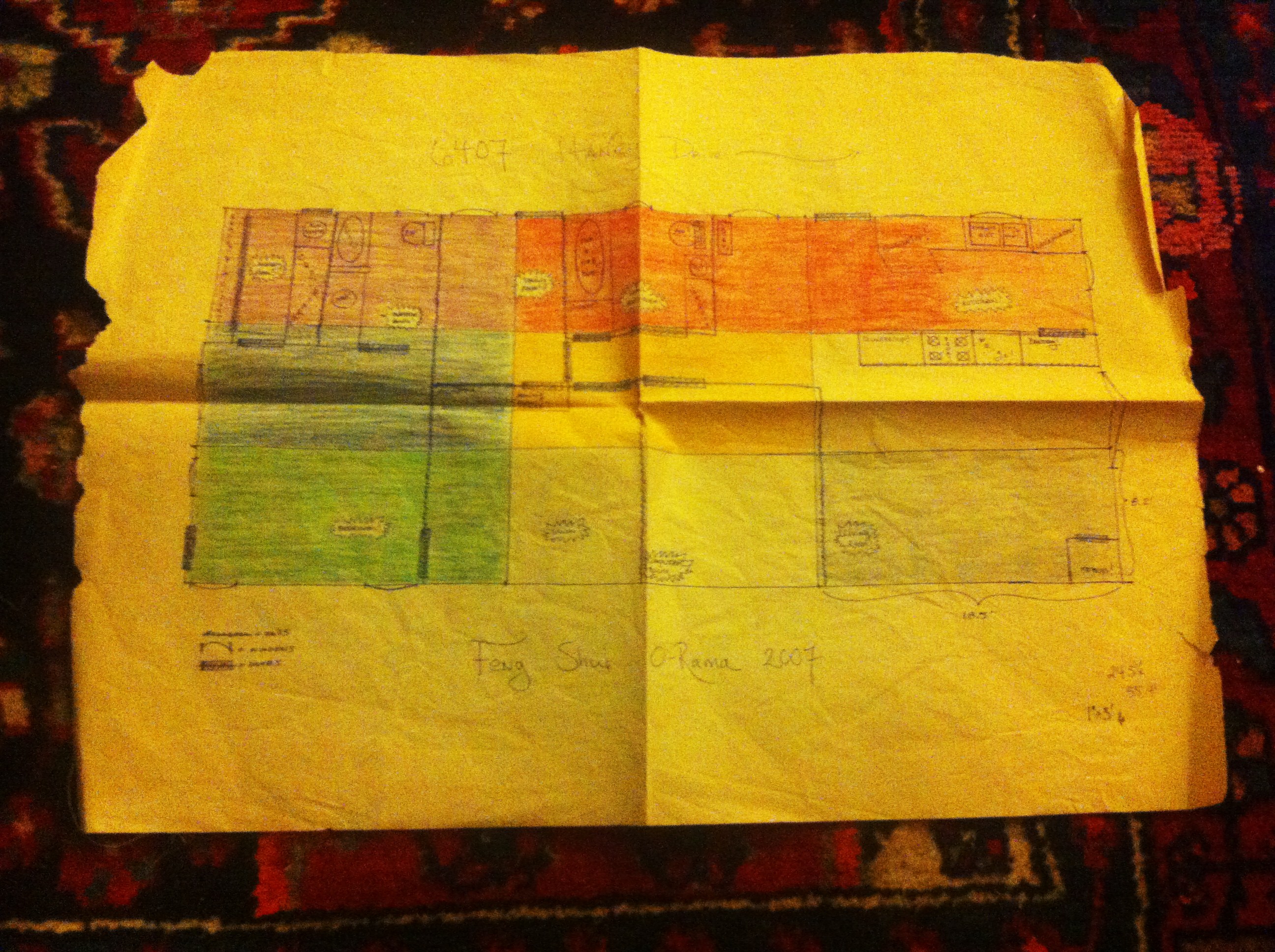
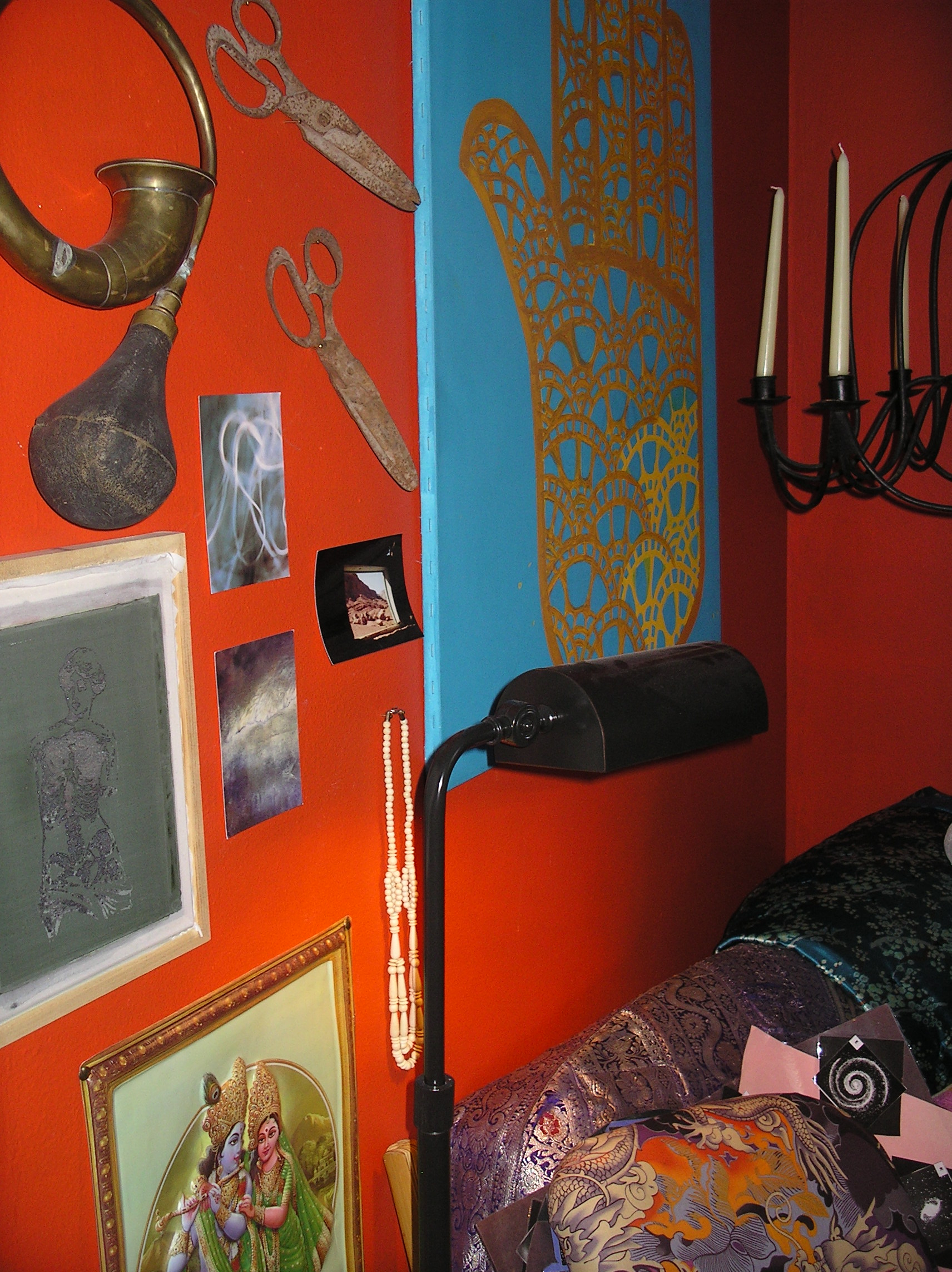
Whilst driving home tonight after dinner with my family, the almost full Moon was shining huge and bright through my windshield, and I realized with the pain that only nostalgia can bring, how much I miss my house. And yes, I miss the brick and mortar of that house, but mostly I miss the feeling I got when I walked inside at the end of long days. I miss waking up on weekends and going outside to work in my gardens. I miss the rustling-squawking of the hens in the mornings, and how they waddled towards me to get cracked corn through the fence. I miss the dark purple walls of the laundry room and the sun I painted in metallic gold paint on the ceiling of the hall bathroom. Although I don’t think I would ever paint another house with each room being a different, deep colour, I loved each room in that house, most especially the craft room with its dark orange walls, blue ceiling, and silver trim.

random july 15th too 001

Four years ago, in the spring of 2009, I was planting more native species in the bed in the front of the house, and building a raised bed in the side yard. I was hanging lights in the old Elm tree, and sitting outside at the blue table with elephants for legs. I was on the back porch with its sagging roof, surfing the Internet for tickets to Mexico and England, rubbing my hands on the old cotton tapestry that covered the plastic table, swinging in the Mexican hammock, building a house for grapevines out of re-bar.

So. Nostalgia: the pain of remembrance. Conveniently, we remember those things we wish to see in our minds eye, and forget much. This is perhaps a function of survival, of resilience, or perseverance. I remember the Haney House as the place in which I was married, in which I worked to make a home for my family; it was the house in which I expected I would have children, or at least, further expand my life from the point at which I found myself when we bought it in 2006. It wasn’t meant to be, because the box of life I found myself within did not make me fulfilled, and I chose to step out of it, into the harsh air, on my own.

2667_1127641190368_4480202_n

Tonight I sit here, in my little house on the ocean in Maine, and all is not perfect, and sometimes I get inconsiderate and impatient with life’s imperfections. Sometimes I wish for that sense of stability again, for a future that could be mapped out. But of course, even when we can see down the road, we cannot predict all of life’s curves and challenges, and even when we have what society calls stability, we have only the things that we can really hold in our hands, and everything else can be taken away in the blink of an eye, the movement of someone out the front door, or names signed on the lines of forms produced by the State of _________.

I have had a beautiful life, and each day, my life becomes more so. It is hard to see oneself through the eyes of others: in fact, it may be almost impossible. I have had so many adventures in such a short amount of time, and sometimes, I judge myself based on the failures, whether actual or just perceived, that I have encountered along the way, even though, to others, those failures are insignificant, or not failures at all.

2667_1127644710456_1297271_n

Maybe I will never settle down again. Maybe I will always be a wild woman. Maybe I will meet someone who is a true partner and find love and companionship and team spirit. Maybe I will always travel. Maybe I will always have a sense of home not tied to physical place, but to friends and experiences. Maybe I will be okay, finally, with who I am, despite the fears or uncertainties of others, including my family, and myself. Maybe I will always relish newness: visiting a perfect replica of the Alamo in central Mexico, listening to the eerie calls of loons on a lake in Maine while sitting on a floating dock, running up and down sand dunes in England, illegally importing cars in Belize, driving a Ford F150 through narrow streets in Canada. Maybe I will always be me, uncertain, changeable, flexible, flighty, loving, loyal, colourful, creative and kind.

2667_1127641390373_3508751_n

Carousel

“I can only note that the past is beautiful because one never realises an emotion at the time. It expands later, and thus we don’t have complete emotions about the present, only about the past.”

– Virginia Woolf

carousel 6

I recognize them by their trucks: the men of the town. Very few women drive trucks, but almost all the men do. Silver F-150s, blue striped GMCs, black and bright green Chevy’s, red construction and demolition Peterbilts. In fact, I live behind a demolition company and walk past their fleet of oversized red trucks every day.

Yesterday, I walked down to the harbor to have lunch and conversation in a truck. It was the blue striped GMC. Its interior was dusty and reflected the country life of its owner: green shotgun shell on the dash, Old Crow Medicine Show music playing from the tape deck, a pack of Marlboros shoved into a cubby hole, an iPhone, a can of Monster, old coats, older boots. The interior was that heavy carpeting of 1980s American cars: the stuff that binds upon itself over time and becomes softer but tangled, stands up from the floors and walls of the truck. As I sat there, I was struck by the memory of my mom’s Oldsmobile station wagon: our childhood car that had the same carpeting all over its interior, and velveteen and vinyl seats.

When we were kids, my brother and I would sit in the trunk of the car because there was a rear-facing seat in there and we could stare out the back window of the wagon and pretend we were driving backwards. I don’t think they make those seats anymore; I have a strong attachment to that memory. Houston, Texas, blue Oldsmobile station wagon, my brother giggling, my mother managing us, moving us across that landscape that was so alien to her. Streets of white asphalt that crunched under wheels and feet, dust, pine trees, humidity, intense heat. Pine needles turned golden as they fell off in the summer and fall, pine cone wars with neighbor kids, swimming, popsicles, Jello eggs.

carousel 5

In high school, I spent much time in a town called Porter, Texas, which was about 45 minutes away from where I lived. Porter was home to my boyfriend’s grandmother, which is also where he lived most of the time. She lived on a few acres surrounded by a hurricane fence in an old, stationary trailer with an ornament of an eagle that hung off the pitched front window. In that kitchen I was served mashed potatoes and fried chicken and Kool-Aid and all kinds of other delicious things over about three years. There was a barn, too, and many, many rose bushes everywhere. She loved roses. There was also a large tree with a swing, a dirt road leading to the trailer, and whole lot of nothing else.

Porter, a town outside of Conroe and near Cut-n-Shoot, was in the piney woods of East Texas, on your way to Huntsville. The trees were tall and skinny, and shady. Despite the heat that seems to pervade all those memories, there was a calm in that shade, and I remember them moving in the wind. When it was very rainy, during the monsoons, sometimes, they would pop: literally explode from over-watering. They seemed to pop at different intervals, as if there were places in the trees naturally designed to expand into a large bubble of water and wood pulp. The smell of East Texas was strong, too: pine, and soil, and heat, and sweat. The sounds of trucks driving along the roads, lawnmowers, tractors, dogs barking, chainsaws. Raccoons lived there, in the woods, as well as copperheads and water moccasins in the rivers and streams. The sun streamed everywhere: I have so many patchworked memories of sitting in a patch of sun, on the dirt, on the ground, stirring it into designs with a stick, watching ants, playing with earthworms, drawing spirals and other shapes in the earth. I still do that, today.

carousel 3

I am experiencing a feeling of returning and it is very disorienting to me, as if I have been spinning on a carousel for a long, long time, and it is finally stopping; as if the blur of pictures that you see whilst riding a hobby horse on a carousel are slowing down and coming into focus. This place, the country of coastal Maine, not my town exactly, but the places around it, remind me so much of those country towns of East Texas. The people are similar, they drive the same trucks, they do the same things with their time. There are fir trees here, not pine, but the smells and sights are so similar. Of course, in East Texas there are no beautiful granite formations or islands or the ocean, but the feel is there. It’s as if I have returned after a very, very long time. And I suppose, in some ways, I have. Thirteen years away from your family makes returning scary and challenging: starting anew, again, for the third time in a few years, living in small towns in a place with such a long, long winter. Exploring options, trying to forge a path.

I was speaking with a friend about his new bathtub the other day, and how, when he took his inaugural soak, he was transported back to the bathtub in his parents’ house, a series of memories about forty years old. He said he remembered how it felt to be in the bath, how the walls in the bathroom looked, and the sensation of holding your breath under the water as long as possible. We all did that, didn’t we?

And yesterday’s lunch in the blue GMC, with its carpeting and velveteen-vinyl seats, transported me back to a childhood outside of Houston that, at many moments, I plain forget. I thought I had forgotten so many sights and smells and sounds and memories of growing up in the almost-country of east Texas, and yesterday all these things flooded back: the train track behind my high school where a friend of mine got drunk and passed out on the tracks and was run over, my best friend’s almost El Camino and racing boys in cars in it while smoking cigarettes and jamming to the Rolling Stones, my boyfriend’s 280ZX and sitting on his driveway in the afternoons after school. Driving to Huntsville to sit in the sunken rose gardens at Sam Houston State University, time spent at a strange lake house in Cold Spring when I was weeks away from graduation from high school. Camping in the woods in Nacogdoches, making forts in the woods with neighborhood kids, reading books on a blanket in the front yard and waving to the elderly lady who drove past me in her Cadillac each day.

carousel 2

My parents left Houston about six months after I graduated, and so I never returned there as an adult to have these memories cemented into my mind. Funny how things come flooding back, as you sit talking about nothing in particular, on a cold spring April day, looking at the water move against the dock, in a 1980s beat up pickup truck.

digging in the dirt 2Houston, 1987

Conversations with…

march 2013 4Somes Sound

I had a friend who I will call M. M was 52 when she died about three years ago, after a very short battle with a very intense cancer. M was my ex-husband’s best friend’s mother, and when we met, about ten years ago, we instantly became friends. At that time, she was living with her husband and youngest son in a wonderful bungalow in the Heights, an older neighborhood of downtown Houston: one of its oldest suburbs. The house was filled with artwork, and old furniture, trunks, animals, coffee cups, ashtrays, and M.

M was an acquired taste to many people. She could be difficult, she was snarky, she was wickedly intelligent, and had a wry smile that instantly communicated how she felt about any situation. She was genuine, she didn’t beat around the bush, she struggled, she never knew what to do, but always tried her best.

march 2013 8Precipice Trail

When I learned that M had cancer, it was about a year after I had split from my husband and about six months after we had divorced. I hadn’t spoken to her in quite a while because of the divorce, and I sort of felt like she was part of my ex-husband’s family, and so assumed that I wouldn’t see her again. But, when I learned she was sick, my heart was hit with what felt like a rock, and I realized that I needed to see her. I called her the next day, and told her I wanted to come over. It was near the end of the school year that year; the heat of the Texas summer already beating down on me as I walked through the parking lot of her apartment complex in South Austin.

When I walked into her apartment, she said something very simple to me. She said, “It is so good to see you.” And it was true; it was great to see each other. What was not great was that she was so sick that she was having a hard time using one side of her body and could not use one arm at all. Her apartment was a mess, and her younger son who used to be precocious and seven years old, was now sixteen and scared out of his mind, and expressed that fear by withdrawing and flunking out of school.

march 2013 5In the Woods

Over the next four months, I saw M almost every day, and tried my best to wrap my head around cancer, families, relationships, fear, death, illness, our failing healthcare system, courage, acceptance, grief, denial, and a host of other emotions. I took her to the doctor, I took her to the emergency room, I took her to a man named Francis the Healer, who let her lie on a bed and relax. It was at Francis’s that we had our most profound conversations. We spoke about love and life a lot. We spoke about the temporal nature of life, about what it was for and why it was important. We spoke a lot about me, and some of the time about her. M was an adopted mom of a sort, but she was more like that aunt that has always done her own thing, is irreverent and uncategorizable, who makes you uncomfortable sometimes, but who you are drawn to, like a magnet of life inside her just pulled you in.

M was tough. She was demanding, and most importantly, she was intensely protective of her three sons and how the situation impacted them. Denial is a serious and complicated emotion, and has a very important place when you are dealing with cancer. Denial comes in the form of your ex-husband showing up with $300 worth of organic groceries despite knowing that his ex-wife can barely eat anything. Denial comes in the form of renting a house with a crazy, winding set of front stairs knowing your mom is in a wheelchair, and planning on building a ramp so that she can get in an out of this beautiful house in a beautiful place. Denial is late night phone calls and emails begging someone to come and see his mother because she is dying, and him not listening. Denial is looking at your friend’s dead body in a hospital room, knowing she is gone, and not being able to leave her body because she hasn’t been alone, not even for a moment, for four months. Denial is fighting, from all sides.

Acceptance comes in strange ways, too. Acceptance comes in the form of arriving on the doorstep, even for two days, from across the country. Acceptance is not being able to speak in the emergency room of a hospital when your mom has to have an emergency blood transfusion. Acceptance is listening to a nurse explain to you that you should take your friend to France because there is no care for her at her age, without insurance. Acceptance is sitting on the stairs in that same house with all the steps, looking at photo after photo of your friend smoking cigarettes for her whole life, all the while touching her youngest son, just to let him know that he and you are physically here, in this moment.

I came up here, to Maine, for about two weeks, during that summer when M was dying. I called her one night, it was July 4th and I wanted to see if someone had taken her to the fireworks. We had this hilarious conversation in which she told me she wanted to be taxidermied and stuffed so that she could still come to all the important events in our lives, and that we could just carry her around to holidays and weddings. In this same conversation, as I was sitting on my friend’s brick patio, in July, in Maine, she told me that she understood what death was, that it was a crossing, but that she would be able to cross back sometimes and communicate in some way. She was in acceptance of what was happening and knew where she was going.

The day before she died, she was very in and out of her body and of time, she was traveling all over the world and through different eras. She said a lot of funny things, but the thing that she kept repeating was how much she loved her boys. There was no doubt, to anyone, about how much she loved them. No matter how much morphine she was on, or how much pain was racing through her tiny little body, she kept communicating that she loved them, she loved them, she loved them.

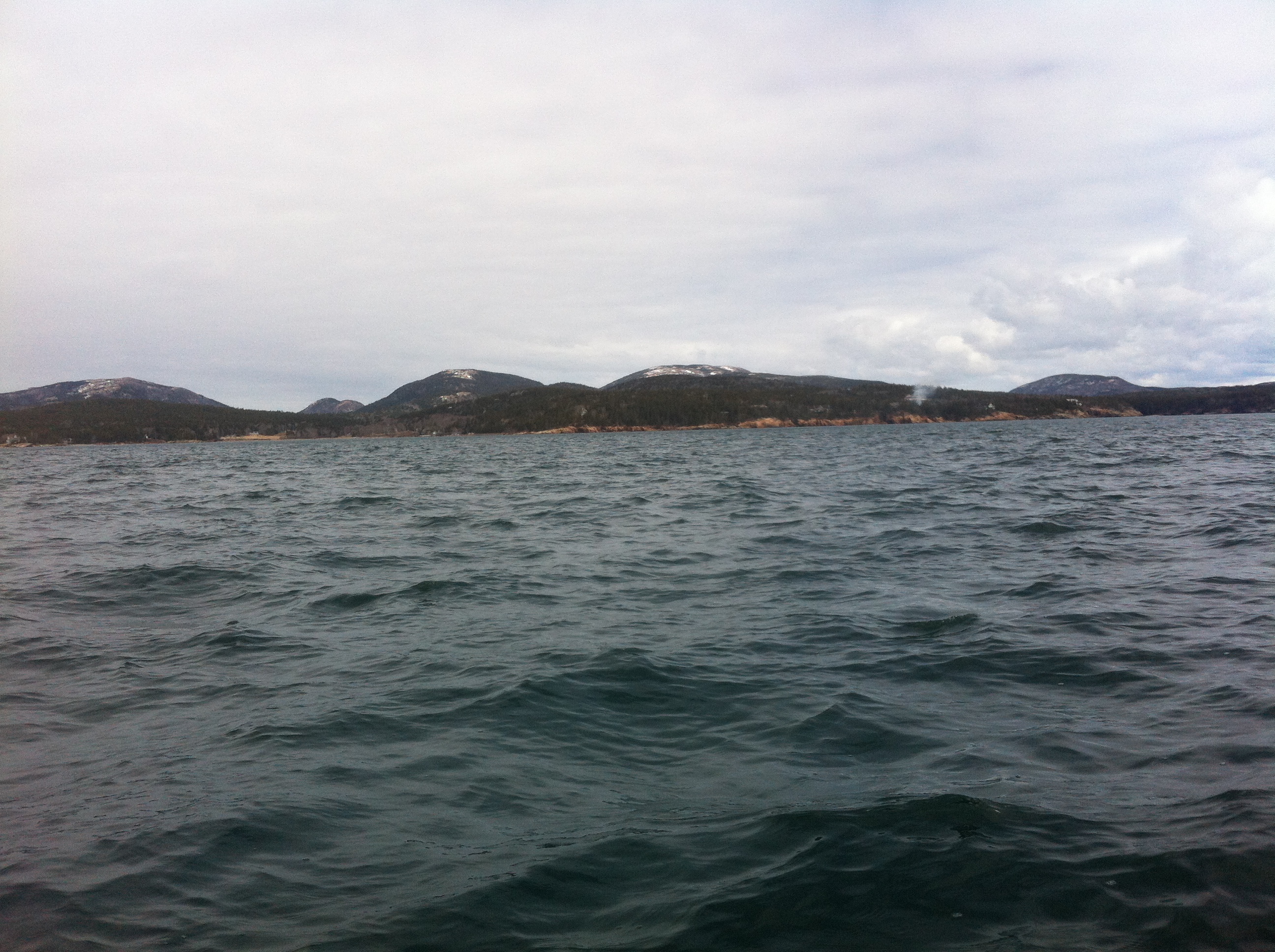
march 2013 11Looking Back at Mount Desert from Islesford, from a very tiny boat!

What does this have to do with me, now, today, in Northeast Harbor, Maine, after my two week hiatus, when I house sat in the woods with ten cats, and made jewelry, and mulled over my life? Tonight, I sat out on my deck for a while and stared at the stars, and watched the moon rise over the harbor, and talked to ________ (whatever you want to call it) for a while.

march 2013 10Moon Rise over the slowly melting Snow Mountain

While speaking to __________ tonight, on the deck, I asked the question: “why do I feel so lonely here? Why is it that this place is so lonely, so alone?” I love this place, but the sense of solitude is Great, and I mean great as in size, not value or experience. I feel, in my heart, that the loneliness here is part of the place, meaning that it is somewhat inescapable, and therefore, must be accepted into your heart as not a negative aspect, but just another part of the environment, like the wind off the ocean, the sculpted granite, the six month long winter, the call of seagulls from the roofs of buildings. My question of loneliness was more related to my own fear of closeness with others. In cities, there are so many people and restaurants and cafes and museums that you are never confronted with that truth of our own isolation, our aloneness in the world. You can be so easily distracted and meet so many people to have friendships with that you never have to confront the deep thoughts that come in winter, in Maine, on a wooden deck, on the edge of a harbor.

march 2013 1Somes Sound from Sargeant Drive

Coming back to my friend M: when I first saw M in that tiny apartment, when her arm didn’t work (Francis and M and cancer treatments fixed that, by the way), she told me that she knew how she had gotten cancer. I looked at her and asked her, “how?”. She told me that every morning she poured a cup of coffee and went outside to smoke her morning cigarette and asked the same question: “Well, what the fuck am I going to do now?”. She told me that she believed she got cancer because that was the energy she put out every morning, and the thought with which she started each new day. Whether you believe in that or not, she believed in it, and it resonates with me to this day.

One of the things that I have learned from winter, from Maine, from Northeast Harbor, is that this life, this time, is all about perspective. Sometimes the tininess and the loneliness of this place scares me, like tonight. And sometimes, the loneliness, the solitude, is utterly joyous because you feel like your slice of the world is wholly yours, and that the beauty of the moment is happening to only you, as if you can hold on to beauty and awe in your hand, heart and mind, for pure moments of time.

march 2013 3Somes Sound

Today, for the first time in months, I sat on the grass, with a cup of coffee, a book, some chicken salad and some french bread and had a picnic with myself in the spring sunshine. I had just spent two hours digging out a path to my new house, from the road. The path will be lined with rocks, and filled with grey pea stone. It will be a lovely start to my first garden in a long time: the first garden, really, since I sold my house back in the fall of 2009. So, perspective comes with time, and the memory of those who have impacted our lives in myriad ways. Perseverance comes in the last dregs of winter, knowing that change is on the horizon, that the sun is coming back, that green things are almost ready to peep out of the ground, and the warmth on the back of your head isn’t from a knit cap, but from the warmth of a new season itself.

march 2013 7The Tarn