Recordando

OLYMPUS DIGITAL CAMERA

What do I remember?

I remember searching for old bottles at the bottle graveyard in Austin on warm summer days, shaded by mountain laurel and cedar trees. For what seemed like miles lay bottles 6 feet deep, maybe more, and we trundled through them, looking for blue ones and manganese ones, for white milk glass and bottles with writing still legible upon their surfaces. Once, we found an old refrigerator, and a sign for Violet Crown Cola. Each time, we took them back to my house and set up tubs of hot, soapy water on the floor of the old kitchen, set up shop in front of the ancient double-barrel oven, and scrubbed with toothbrushes until the bottles came clean: my favorites were always the ones with rusted metal tops still attached. As I sit here typing, I am looking at many of them sitting on the tops of tables and on the piano.

I remember camping in the Lincoln National Forest in New Mexico, deep in a winter’s night. Camping high above the valley floor, we could see the glowing embers of hunters’ fires that mimicked our own. Up there, we cooked beans and rice at night: oatmeal in the morning. In the dark, you could see the black forest floor below pinpricked with campfires, and up above were innumerable stars. Once, in the morning, we woke up to discover snow 6 inches deep all around our campsite and down the hunting road that we had to walk to return to the car.

I remember telling my parents that I was volunteering at the library one summer, and spending every day at the base of a giant, man-made hill, sometimes in the sun, sometimes in the shade, occasionally sneaking off to read poetry and philosophy books at the Barnes & Noble. In many ways, we fell in love in the aisle of the bookstore that held Kahlil Gibran and Rumi and Hafiz.

I remember rides on Texas highways in a 280ZX with t-tops, glazing brakes coming down a mountain in Death Valley, sitting on the rooftop of a hotel in Mexico, and a kitchen with a brick floor in Ossining, New York. I remember watching eagles fledge in my back garden, listening to the Velvet Underground in a trailer, discovering a sea lion on a beach in Washington, rearing feral kittens behind the washing machine and later, behind the couch in an old house in East Austin. I remember drinking lychee martinis in Manhattan, and trading peaches for special brownies in Oregon. I even remember a wedding, buying a home, planting gardens, raising chickens and cats. I also remember sitting on my back porch, feeling bewildered and lost when it was all dissolving: moving away from me so fast that couldn’t process what, indeed, was happening. I remember ending up in a tiny house in Hyde Park; I loved it despite the fact that it was hotter inside than out on the warmest summer days. I remember opening the door to my life too quickly to one who didn’t deserve entrance, and once he was inside, destroying what I didn’t even know at the time I had to rebuild, I found it very hard to get him to leave. Eventually, of course, I found a path to get him out the door, and lock it behind him so that neither he nor anyone else could come in without knowing the secret password and a set of very complicated keys.

011

But herein lies the problem: I didn’t even understand the secret password, nor did I know to which locks each key belonged. In fact, it is more accurate to say that when I locked that door, I threw away the keys and erased the passwords so that I couldn’t let anyone in. It was an unconscious risk assessment, you see, and I deemed myself too high a risk.

Two weeks ago, it was a warm summer night and in a moment I spoke the words that rebuilt and created a new set of keys, and gave me the secret password that I hadn’t yet discovered. I said that I had realized that the state of mind I had been in for the last two years, of fight and flight, of holding my fists in front of me lest anyone try to get too close, no longer applied. I verbalized that the people in my life are good people, that I care for all of them and they me, and that it was time to shed the past and realize where I am.  In this moment was when I realized that I needed to express more gratitude to those I love, that I needed to bring my fists down and relax my hands, and that I needed to say yes much much more than no.

The Yes is fraught with panic and insecurity. The Yes comes with what if? and maybe? and I don’t know what is happening? and all of these thoughts are mechanisms of trying to control situations that are inherently organic and dynamic, in which control doesn’t really play a role. The Yes is cautious and is dependent on trust, so it involves alot of timidity and dipping ones toes in the waters of life only to pull them out again, but I will say that everyone who I have been lucky enough to surround myself with, now, after a bit of trial and error, loves me, encourages me and laughs with me at myself and allows me to grow and be here. There are hands held out to me here, and after two years, I finally trust that they are really here to catch me, and I am ready to catch them, too.

image003

Otoño y La Gracia

photo 5

This morning, it was autumn. I woke up at sunrise to the sounds of the street sweepers and noticed a copper light cast across the tops of the buildings and caught in the leaves of the trees. Cadillac Mountain, standing so stately at the end of the street, was highlighted by a glimmering sheath of coppery-gold-red-and-yellow very early this morning. The slant, or angle, of the light is so sharp now as the Sun’s light is bending around the curves of Earth! Take heed for soon it shall start to slip away…and away…and away.

photo 1

This is my bedroom, or at least, a part of it. I have spent some hours over the last few weeks decorating its nooks and crannies for winter. I have added tropical plants and candles and nicely smelling things. I have stared out the windows, wondering how it will change. I have thought about my own feelings of this house’s temporary feel: never have I felt that I will stay here for long.

photo 2

I ended up here on Saturday night: a club called the Oak and Ax in Biddeford, Maine. I watched some friends perform beautifully, and I watched a couple in paisley and beige dance. I watched young people dressed like the Beastie Boys sing space trip-hop. I spoke to a girl wearing a white polyester dress she had bought at the Goodwill-by-the-pound in Gorham. I smoked a cigarette with a man who sang like Stevie Wonder backed by synth beats. I danced, and was happy, because, beside my friends who I was attending the show with, I knew no one and was happy in a brief moment of true anonymity.

photo 3

Out beyond ideas

of wrongdoing and right doing,

there is a field.

I’lll meet you there.

Rumi

Fall is a season of overturning: of watching the colors of our landscape change before our eyes. We can feel the energy drain from the surface of the Earth to its undercarriage: the Sun begins to wane and the light disappears, the leaves turn red-orange-yellow-brown, and the wind becomes sharper and colder. We ourselves learn to spend moments feeling the cool wind blow on our faces and the warm sun shining on our backs for just a little while more. We can watch the clouds move in the blustery wind and hear it shake our windowpanes as the cold blows in off the water, and down from the North.

One of the themes of late, for me, is a feeling of letting go, of accepting new beginnings whatever they may be, and to try to say goodbye to a feeling of fighting for fighting’s sake. It is time to transition and to take off the battle garb: to look into your lover’s eyes late at night and see light flash and listen to your souls laughing. It is time to feel one another’s skin between sheets and hold another’s head in your hands: appreciating in moments the beauty of hair and skin and bone. It is time to hold hands while sleeping, and to be tender in whatever moments you are lucky enough to express it.

photo 4

“I do not understand the mystery of grace, only that it meets us where we are and does not leave us where it found us.”

Anne Lamott

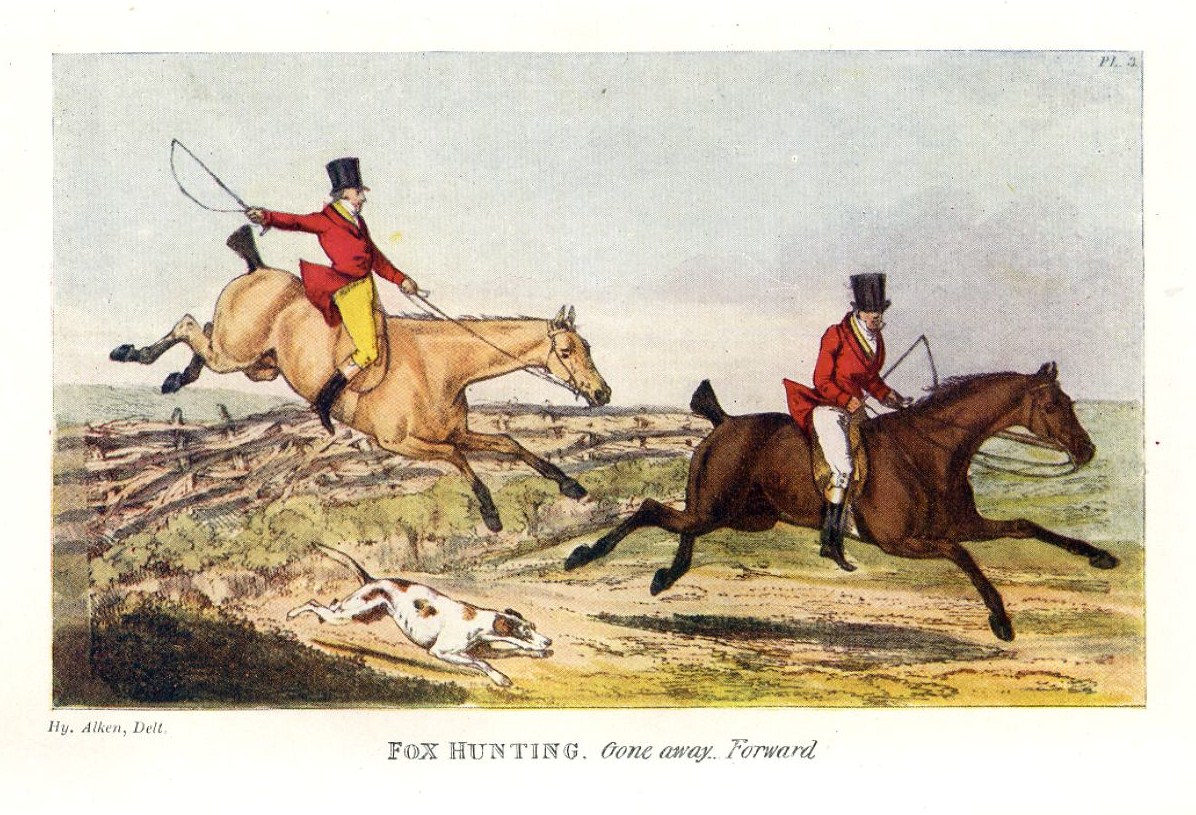
Racing and Hunting

NSGB1903PL13005

Early on a late September morning: foggy, damp, warm but a slight chill lingers. A very quiet town: also very dark. Slowly a few cars creep along the streets: coming, going, searching, watching. It is the time when everyone and everything is calming down and people don’t seem to know what to do with themselves. Rushing here, running there, overexerting energies to fill now empty spaces.

TWELVE

The five colors blind the eye.

The five tones deafen the ear.

The five flavors dull the taste.

Racing and hunting madden the mind.

Precious things lead one astray.

Therefore the sage is guided by what he feels and not by what he sees.

He lets go of that and chooses this.

I Believe In You

photo 1


Let me not to the marriage of true minds
Admit impediments. Love is not love
Which alters when it alteration finds,
Or bends with the remover to remove:
O no; it is an ever-fixed mark, 
That looks on tempests, and is never shaken;
It is the star to every wandering bark,
Whose worth’s unknown, although his height be taken.
Love’s not Time’s fool, though rosy lips and cheeks 
Within his bending sickle’s compass come; 
Love alters not with his brief hours and weeks, 
But bears it out even to the edge of doom.
   If this be error and upon me proved,
   I never writ, nor no man ever loved. 

Sonnet 116

photo 4


Tonight, I watched the sun set over the ocean. It spread lavender and navy and peach and magenta red light out over the horizon and washed the clouds, bathed them in color. I looked up at the clock and noticed it was 7:15: we have already lost a full hour of daylight. I noticed one branch of maple leaves was bright red against the remaining green ones stretching up to the roof of my building. This morning, I woke up to a breeze blowing through my windows. I had kicked off a blanket last night and woke up cold: it was a fall morning.

photo 3

photo 2

Life is a constantly changing mystery; but if you start to pay attention, the good floats to the top, until it’s all you want to see.


In The Light

“At last I began to realize . . . that I needed some kind of inner peace, or inward retirement, or whatever name it might be called by. . . . I began to realize that prayer was not a formality or an obliga- tion; it was a place which was there all the time and always available. “

Elfrida Vipont Foulds

0132e3_3b1a0fecacf06491def8c98ff3b56d47

I was standing on the village green the other night, eating hot chile chocolate ice cream in the dark, and staring through the front windows of a shop at the woman working inside. She was dusting and rearranging, and sighing, and wondering where all the people were.

I was on the phone with my friend, listening to her cry and cry and worry and be frustrated at her own emotions and wondering why she couldn’t be the strong person, the person others could depend on in moments of crisis, anymore. I listened and tried to tell stories or relate other events to her experience, but mostly, I just listened to her and asked her to try to stay present, to not worry so much, and to take some time off.

6140_4

“Yes. There definitely is a certain attraction.”

This morning, I was sitting in the grass of the Masonic Hall, drinking coffee and smoking cigarettes in the early morning, hot summer light. On the sidewalk, two ladies walked past us in running shoes and pastel-colored athletic tops and ball caps: they walked with purpose. I sat in the grass, listening to my friend relate her spring and early summer to me, ruminating on families and relationships. I think we both were wondering how any of us ends up where we are, and how it can be so confusing. I chose to listen, and smell the freshly cut grass, and think about all the small bugs crawling under our thighs in the grass.

images-1

“Don’t get officious. You’re not yourself when you’re officious: that’s the curse of a government job.”

This evening, I sat in my friend’s impermanent abode, a small cottage in Hulls Cove, a perfect summer rental with IKEA furniture and well-styled cutlery, eating curried haddock and rice, and listened to him lament the island, its problems, its inadequacies. He constantly asked me why…and I had no answer for him other than that there is reason that this place was once called Eden.

images

“Harold, everyone has the right to make an ass out of themselves. You just can’t let the world judge you too much.”

I have been writing here for almost two years; two years ago, I was living in the basement of my parent’s house, in a giant tent made of old sheets and scarves and curtains and mosquito nets that I made one day with one of my oldest friends. I spent my days knitting and watching movies and occasionally going outside into the light, only to retreat again into the dark. After awhile, I began to live in a house in a tiny town called Seal Harbor, and then left on a wild adventure, only to come back to the House that Floats in Northeast Harbor.

Harold-and-Maude-01

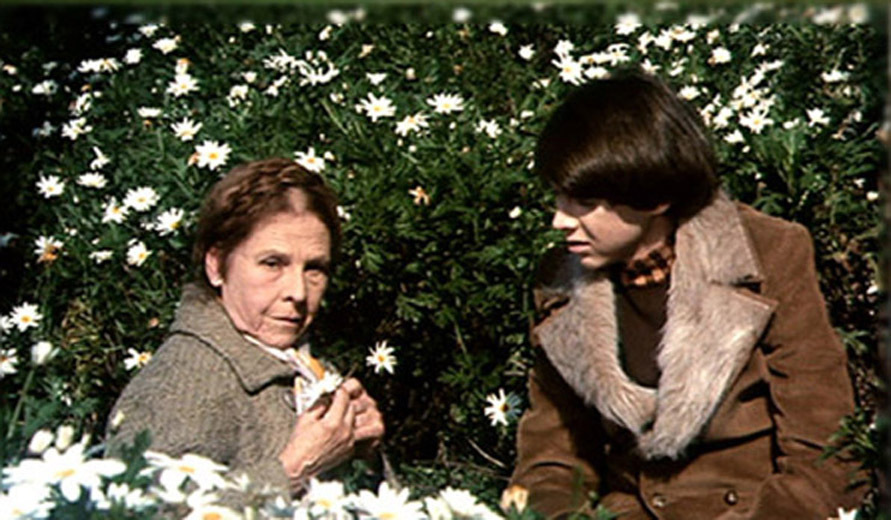
“See, some are smaller, some are fatter, some grow to the left, some to the right, some even have lost some petals. All *kinds* of observable differences. You see, Harold, I feel that much of the world’s sorrow comes from people who are *this* [points to a daisy], and allow themselves to be treated as that [points to the field of daisies].”

So….after two years, and what feels like a lifetime of reflection, how does one make the switch from a person who stands, bewildered and gaping at the power of all of it, at the profundity of life here, of the connections to nature and to other people, now change to a person that listens to others who are experiencing something similar? The perspective shifts from one of intense self-focus to one of a listening ear: a person who sits on lawns and decks, who holds the phone close, who feels, finally, able to be the listener instead of the speaker.

Tomorrow is a day of tomato plants and irises, of jewelry-making, of sunshine, of light, of hoping that all who have shared their consternation with me this past week will take the time to look up, look at the clouds, feel the wind, smell the lilacs on the breeze, and hold themselves in the light.

“For me, prayer is more about listening than talking. “

–  Deborah Fisch

images-2

“Oh Harold…that’s wonderful. Go out and love some more.”

It Goes In And Out Like Anything

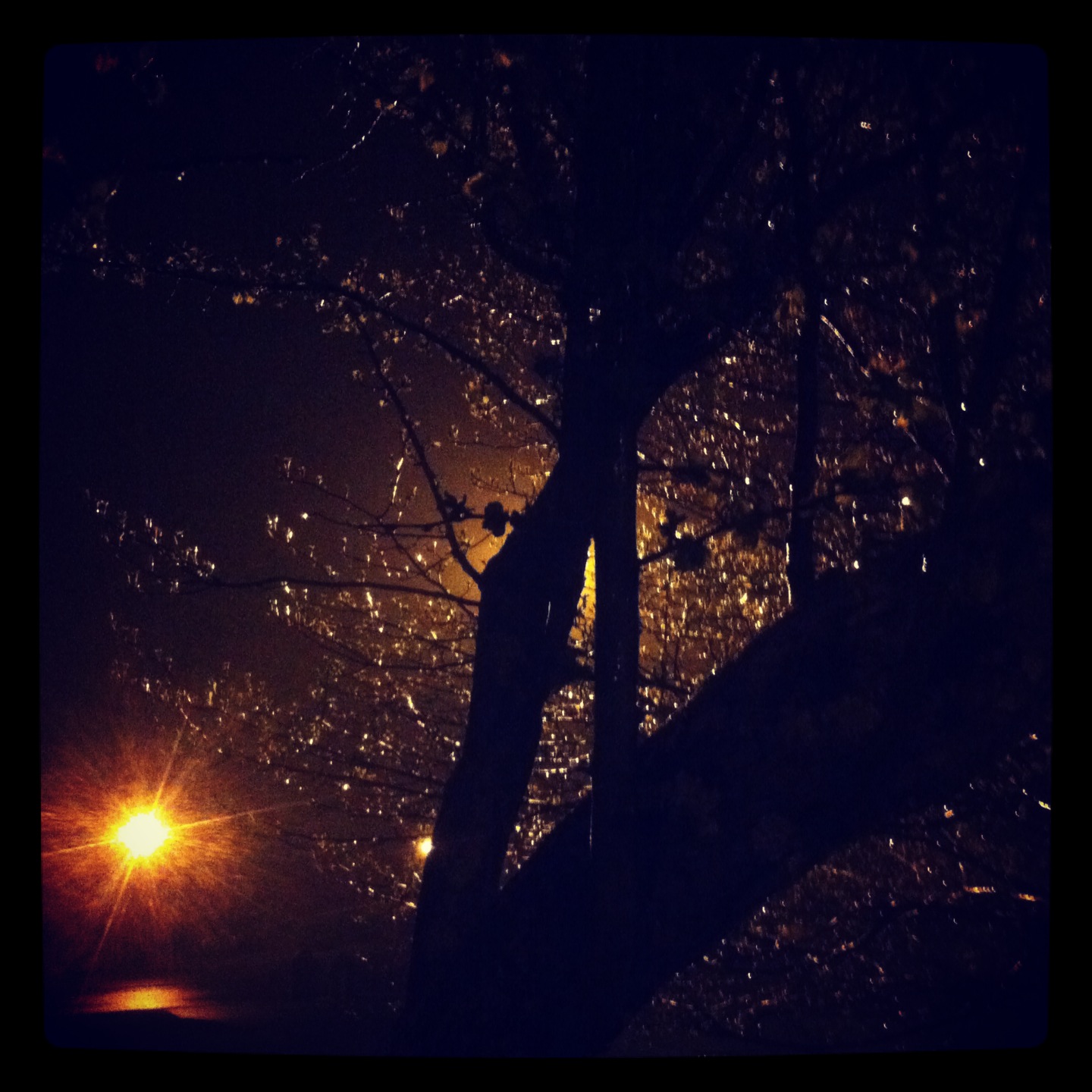
night walk To be melancholic is to wake up at 5 in the morning to the sound of the street sweeper and notice the entire town bathed in deep, grey fog, and to worry about the cold and the lack of sun, while simultaneously basking in the glory of clouds traveling in and out of your windows as the moments of the early morning pass quickly by.

Also, it is to feel a pain in your heart that makes you leap toward a pond and find the baby frogs peeping on a late summer afternoon, or notice the multitude of colours in viburnum flowers that race toward the sky, pluming from branches of a very tall tree outside a tea house with a newly-built, Japanese-style water garden.

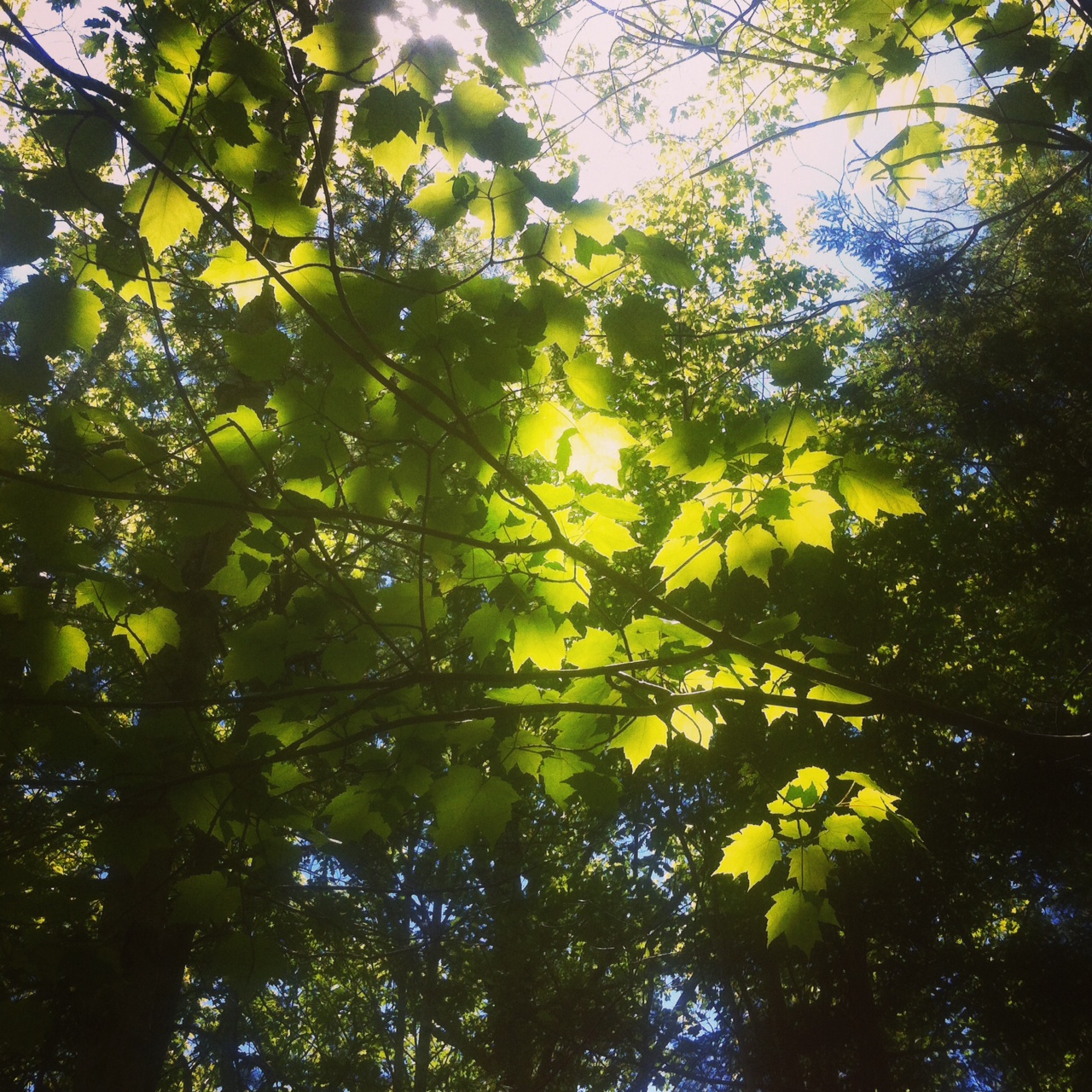
It is a palpable sense of love: one that you hold in your hand as if it were a roasted chestnut on a cold day, keeping it safe inside your hands, warm, suspended in animation, knowing that love is multi-layered, a palimpsest without limit. trees 2 Melancholy is noticing the light of late spring sunsets cast behind maple leaves, transforming them into a glowing mass of golden-green light that shifts in the wind, that shafts of sun pass through, temporarily blinding you in glory as you drive into the sunset instead of away from it.

Melancholy is the feeling of joy and poignancy that comes when the beauty of the natural world is so overwhelming you wish you could just bottle it, pour it into a cup and send it to the ones you love the most just so that they could see it and feel it, too. tool barn Melancholy is cigarettes smoked late in the night, in the morning really, while walking along a path on the shore, gazing out at fogbanks that cover up islands all in a row, breathing out, into the rain and fog, walking home, staring at the lights of houses and boats bobbing in the water, and hearing foghorns and the deep clanging bell noise of the buoys.

Melancholy is unlocking the door: a sideways glance at all of those who enter, wondering who will stay, who will go, who will sit and talk, who will break your chairs or smudge your walls with emotional fingerprints, and whether those smudges are dark and greasy, or golden, gilded and everlasting.

Melancholy is rhubarb and sweet peas, exploding with growth in spring sun, reaching ever upward against gravity, deep green, pungent, earth black, filled with earthworms, and the echoing call of wind chimes hanging in the branches of an apple tree.

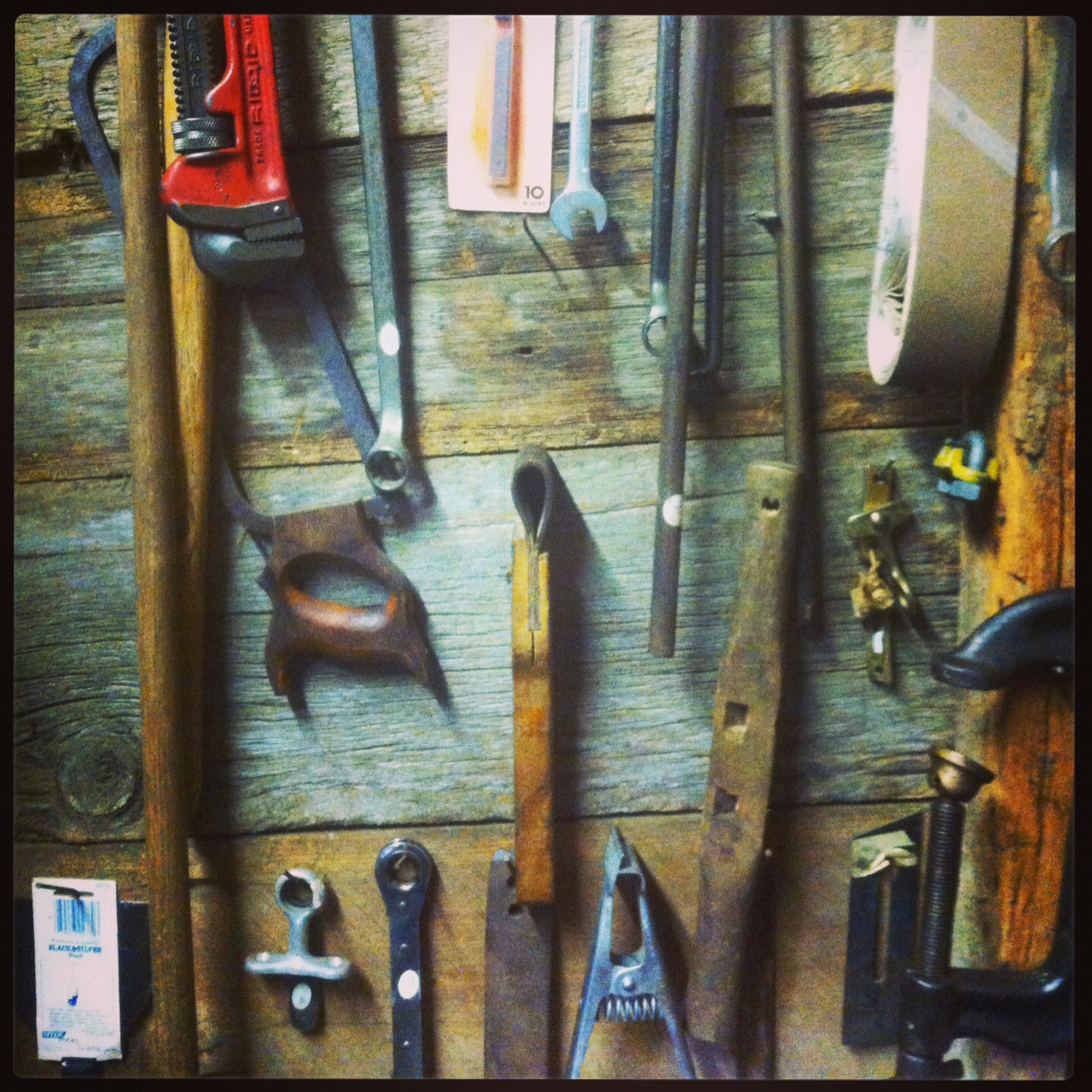
Melancholy is sitting on an upholstered sofa that was brought in through the windows in the 1920s, and realizing how many people have sat here, just like you. tool barn 2   Melancholy is an antique vise, a ball peen hammer, a plane that exemplifies craftsmanship and care and engineering and appreciation and art, all at the same time; old locksets that turn with skeleton keys, and the stillness of many pieces of antique steel, all in rows, organized against the entropy of the outside world.

Melancholy are the crows: hopping and flying from here, to there, calling and cackling to all of us as we walk along, under them, noticing all the things that make life so beautiful and dark, so colorful and raw, so lovely, so visceral, and that passes us by so quickly, in the blink of an eye, blinded by the beauty of a sunny day. trees

Formidable From A Distance

Still glaring
from the city lights
Into paradise I soared
Unable to come down
For reasons I’d ignored.

Total confusion,
Disillusion
New things I’m knowin’.

I’m standing on the shoreline
It’s so fine out there
Leaving with the wind blowing
But love takes care.

Know me, know me
Show me, show me
New things I’m knowin’.

Wind blowing through my sails
It feels like I’m gone
Leaving with the wind blowing
Through my sails. — Neil Young

“I have learned that if you must leave a place that you have lived in and loved and where all your yesteryears are buried deep, leave it any way except a slow way, leave it the fastest way you can. Never turn back and never believe that an hour you remember is a better hour because it is dead. Passed years seem safe ones, vanquished ones, while the future lives in a cloud, formidable from a distance.”

Beryl Markham

A Spirit Balanced on the Edge

photo 3

Bene vixit bene latiti

Having just returned from another Haystack weekend, this one punctuated by instructional time and seeing friends and delicious food and kinetic jewelry and assemblage sculptures, I am sitting here, on a cool spring night, thinking about the hidden things and secret places. photo 2

Artists at Work – MeCA

When I was in middle school, my brother played a lot of little league baseball, and despite my lack of connection to the game, I would attend all of his games and wander around the ballparks eating purple sno-cones. (Purple was my favorite color and flavor). I remember walking through dusty patches of ground, kicking at the sprouts of bermuda grass desperately clinging to life amidst the parched nature of East Texas summertime, I remember my red All Stars, and I remember how the grape syrup would leak out and around the waxed paper cone that held the ice and cover my hand with sugary sweetness: the stickiness would linger until I could find a bathroom in which to wash my hands. photo 4

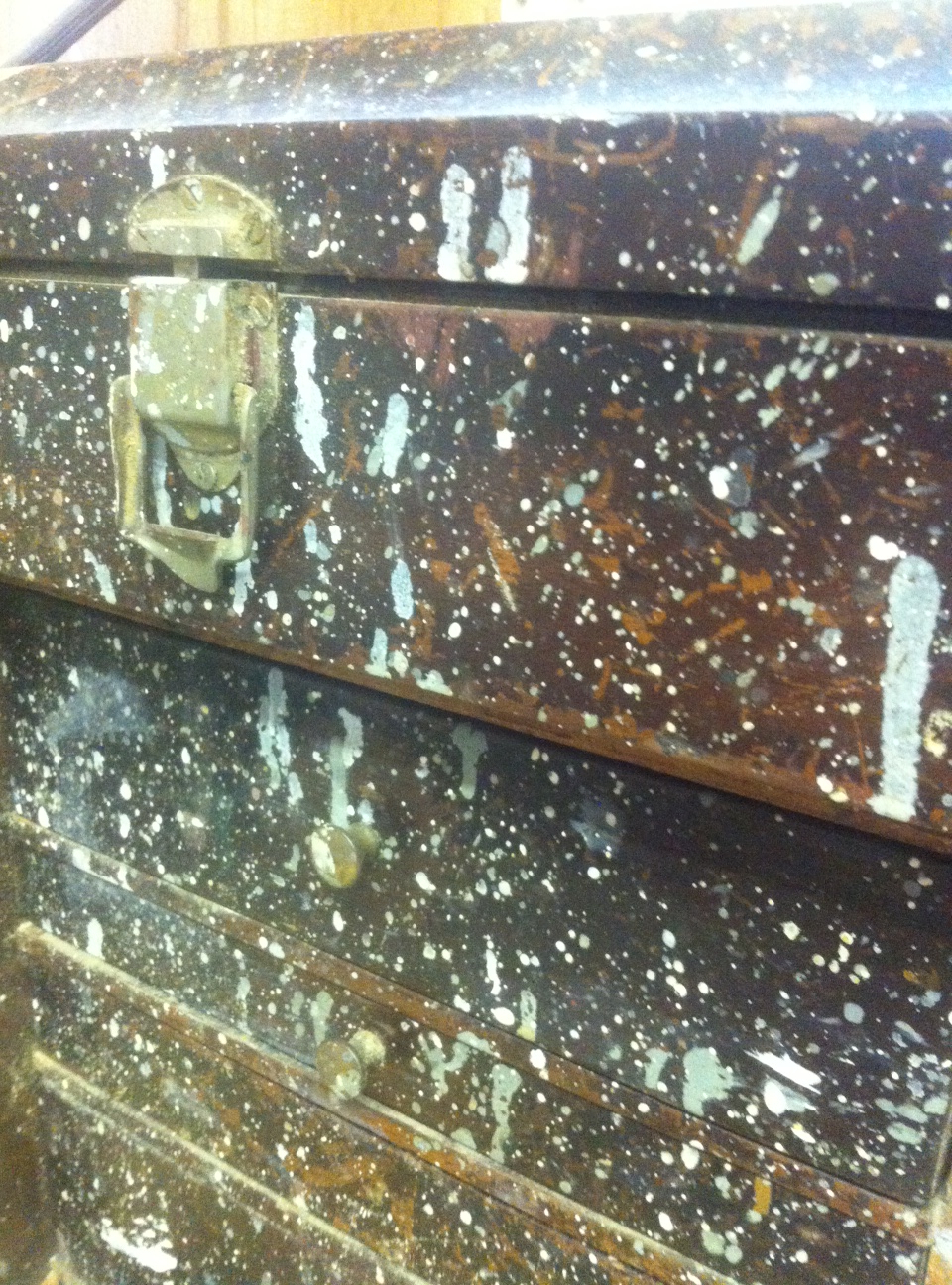
A New Machinist’s Box

One afternoon, as the baseball games played on in the background, I found myself standing and staring down into a storm drain: one of those giant square openings in the ground that are covered in a cast iron grate with many square shaped holes. At the bottom, I noticed something glimmering in the Texas sunshine. I sat, then squatted, then lay on my young belly, All Stars pointed straight out, jeans collecting dust and dirt as I gazed intently downward. At the bottom lay something golden, that I was sure of. Always the fan of a challenge, I unlaced my shoes and tied my two shoelaces together to see if they would reach the bottom. They did, but no closer to my goal was I until I went to one of the snack stands and secured a paper clip from an obliging ballpark worker. Slowly, carefully, with much focus, I hooked the golden ring onto the bottom of the paperclip and edged it up, through the grate, and into my young hand. photo 1

The Beauty in the Simple – Copper Embossed with Miscanthus

Here was a golden ring, wide, a man’s ring to be sure, with a clear stone in the center. Its surface was brushed and dinged, as if it had traveled quite a distance and been smoothed down by silt and water and the innards of pipes. I put it in my pocket, and later the drawer in the bathroom that held mysterious treasures, and occasionally I would pull it out, look at it carefully, and hide it, again. photo

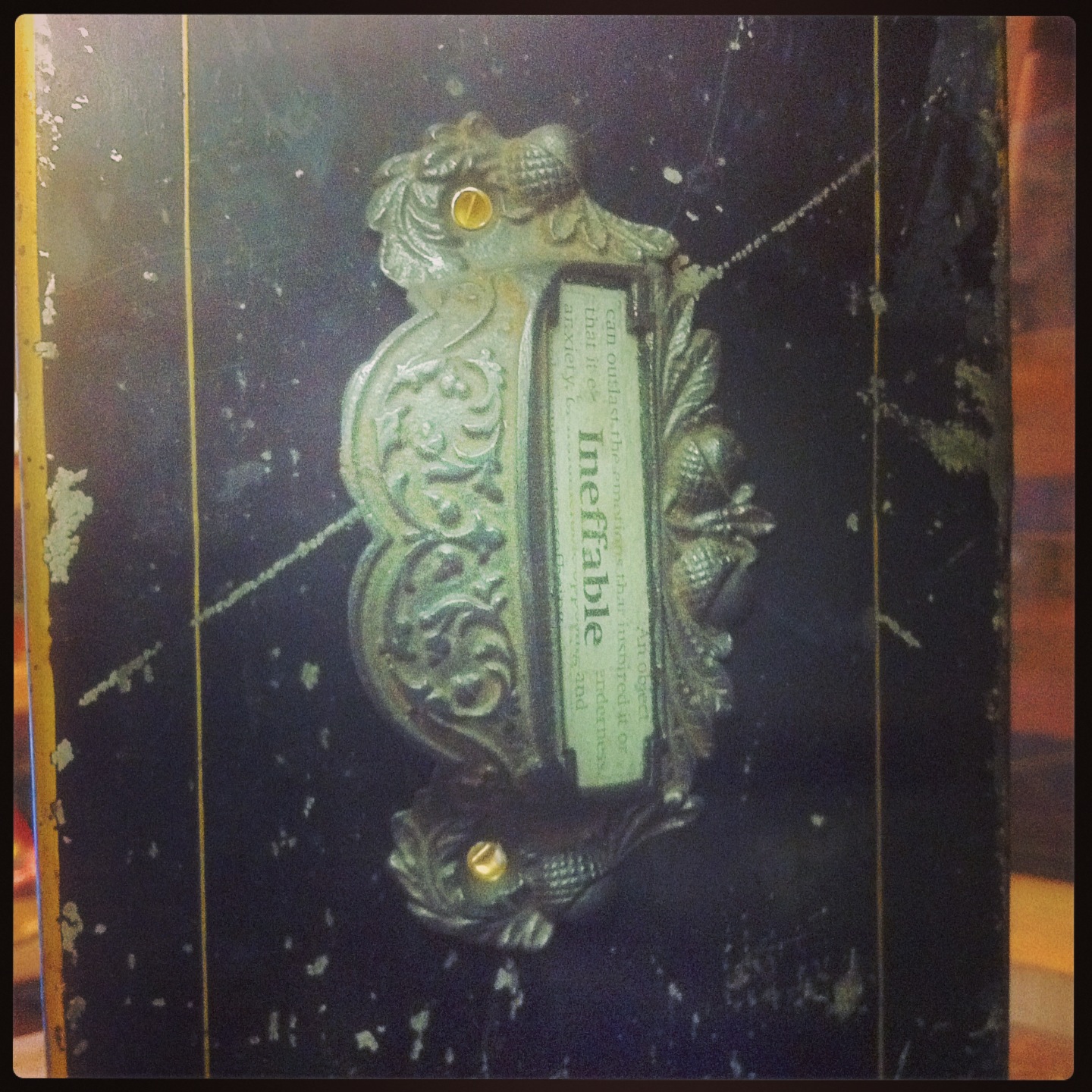
Ineffable

Many years later, as a lab assistant at a biotechnology company, I became friends with a person who came to work on Halloween with a purple tshirt on. The tshirt had a black P made with electrical tape and he had blackened his eye with shoe polish. When I asked him what he was, he answered, matter of factly, “A Black-Eyed Pea”. This was the beginning of a friendship that included motorcycle rides on a thin-bodied Harley Davidson painted with iridescent flames, camping trips in Austin, Mexican restaurants in downtown Houston, swing dancing, road trips through the deep South, visits to gem and jewelry shows, and my first experiences making jewelry. My friendship with this person introduced me to city life and all its hidden places: a coffee shop in Houston named Not Su Oh, dances at the Last Concert Cafe, midnight picnics in the gardens of the Contemporary Arts Museum, hula hooping at Stubbs Cafe, following music through Pace Bend Park to find a man with an envelope full of strips of psychedelic magic, and people with patios full of pots of baby peyote cactus. photo 3

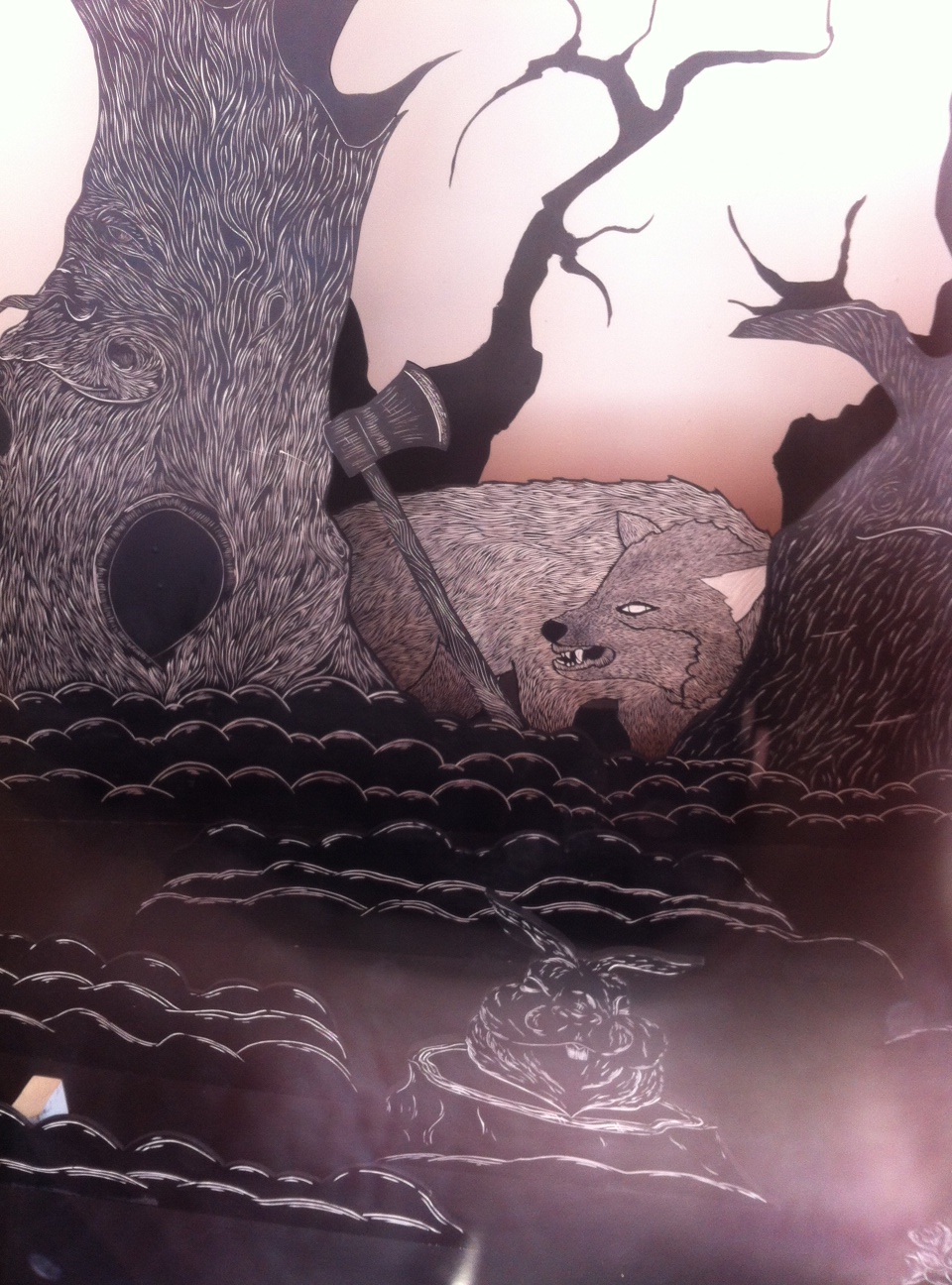
Swoon at Space Gallery in Portland, Maine

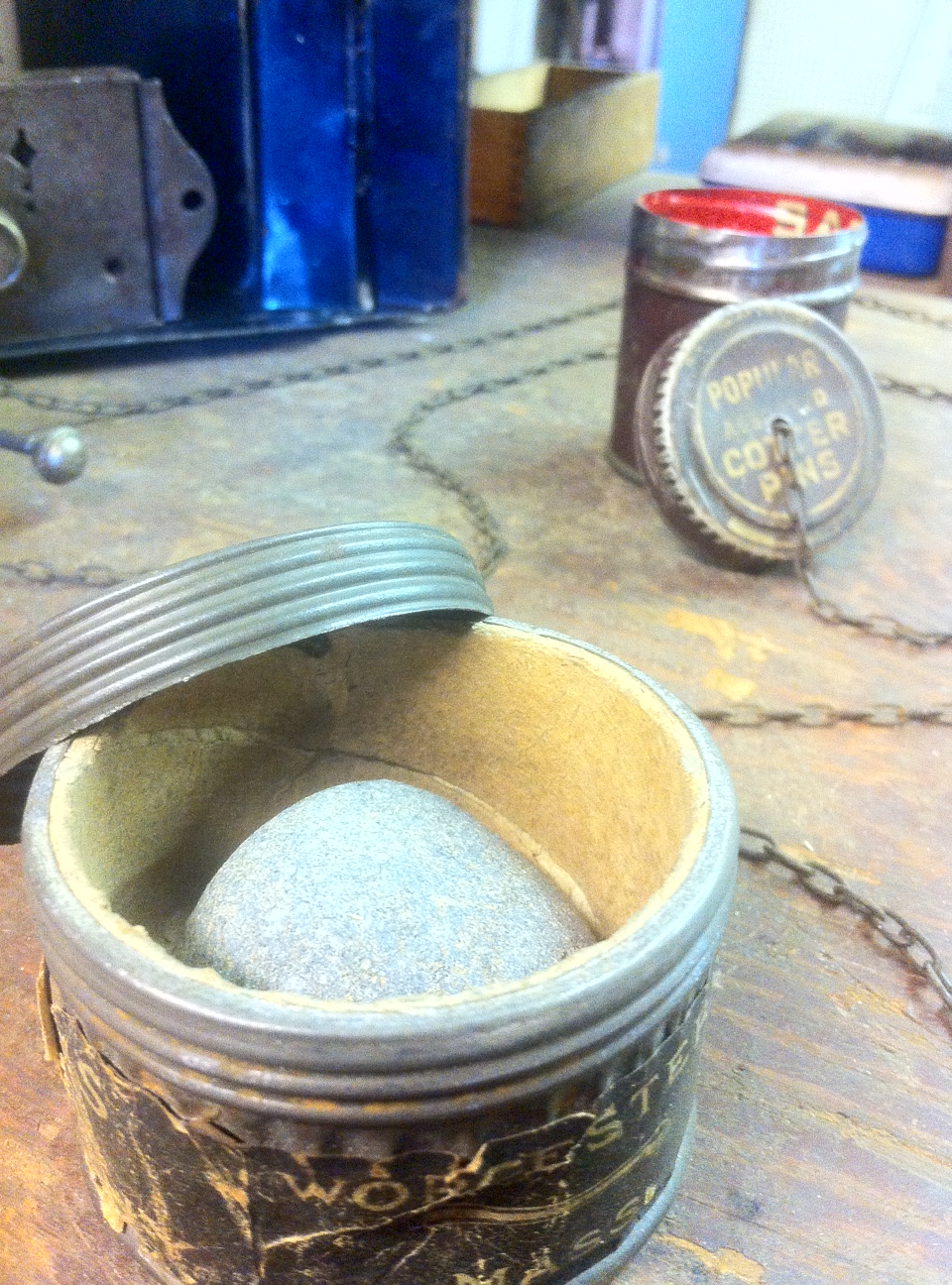
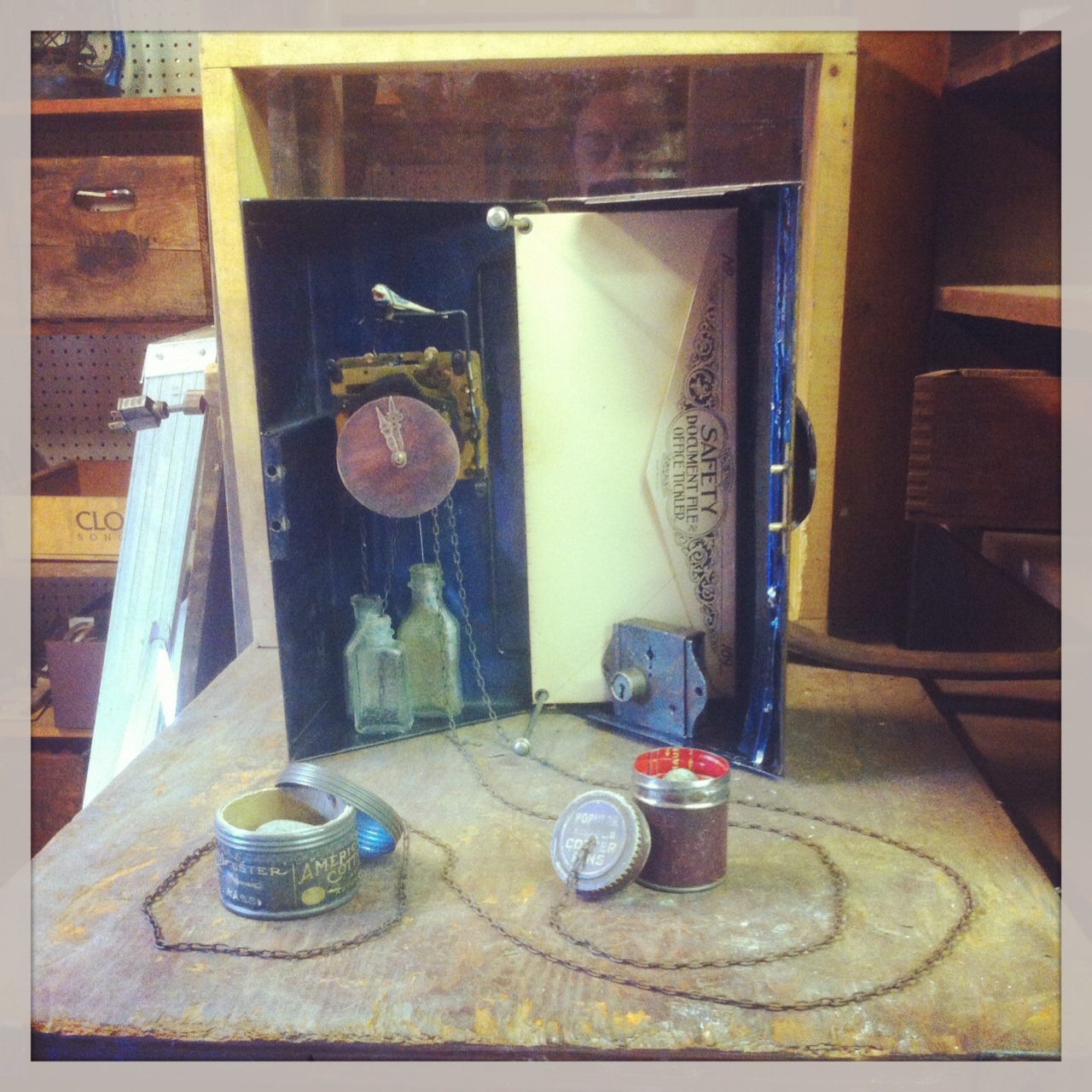
Mere months ago, I reconnected with that friend after an absence of several years; in fact, we had not spoken to each other in probably twelve years. He called me during my last few days of living in the tiny house, and as we spoke, his voice transported me back to those days when we spent so much time together. I remembered his kitchen and making pasta in his stainless steel pots, his velveteen couches, his old Mustang with the hood pins, our visit to fortune tellers in New Orleans, and him teaching me the basics of jewelry making at a small bench in the corner of his living room. I remembered us making a ring together dotted with sunstones, three in an offset row. In fact, it was he who had the ring I had found all those years before appraised, only to find that my ballpark treasure was a solid gold ring set with a large diamond. photo 5Now, after many of life’s twists and turns, and the holding on to curios and treasures that help us mark time, but mostly help us remember the hidden and secret moments, I am struck by how important those little things are, those signposts that help you remember moments in your lover’s bed when the only thing that existed was the two of you and the rain outside and the brass bell cast in sand that lay on the bedside table, or the box covered with peeling paint and filled with prisms that was given to you solely because you asked for them, or the old mirror from India your father brought to you when you were five and you have held so many times in the same place that the enamel has worn off as if to mark the place your thumb belongs. These are the hidden places, the secrets, the markers that bear no explanation except as memories for ourselves. photo 1 How do we know what is valuable and what is transitory? How do we know what is treasure and what is trash? We, as the magpies that we certainly are, cherish these tiny, priceless, useless, beautiful things. They make up the palimpsest of our lives: layers and layers of love and loss and memory and change. We collect, we gather, we hold up to the light: we categorize and place, carefully. We make a puzzle picture of  a life, decorating it was we go with baubles: with strange and lovely secret things. photo 4

If Not Now, When? If Not You, Who?

Assemblage Sculpture 

Found Objects, Glass, Copper, Paper, Epoxy, Beach Stone

Viva La Vida

Frida Kahlo and Pet Hawk

I have been in radio silence now for quite a while; there are various reason for this, but mostly life just keeps getting in the way of delivering my musings to you here. I have a slew of stories to tell about sailing the Caribbean in Panama, as well as reflections on the ending of my second winter in Maine, as well as new developments in the art-sphere, namely a new studio in a magical place that has been a stomping ground of mine since I was a little girl.

But, for today, for all we have is today….some musings and ideas from two of my favorite artists, that will propel us all forth this second week in April, in the year 2014, my thirtieth year of spending time on this small island that I know call home.

fridabrush.19

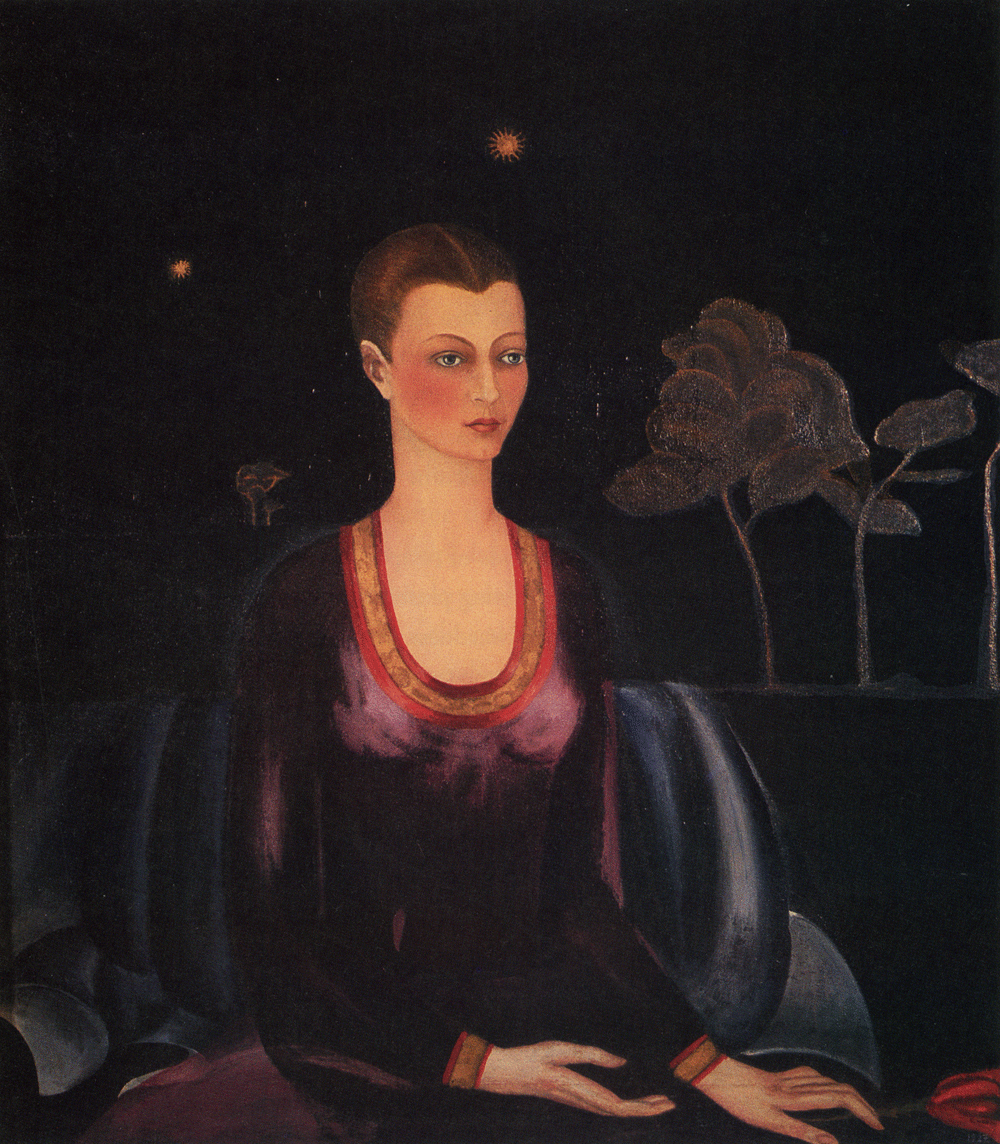
The Portrait of Alicia Galant (1927) was the first painting of Frida Kahlo’s that made me pause. I was a very young girl of maybe 10 when my best friend’s mom dragged she and I to the Houston Museum of Fine Arts to see the exhibit of a painter who, before that moment, was unknown to me. I remember spending many minutes gazing at this painting because it felt, to me, as if it was alive and glimmering: velvety and viscous, dark and deep set in the night.

tengo alas

“Feet, for what do I need you, for I have wings to fly?” has been a motto of mine, especially during the metamorphosis of the last two years. I find that holding on to dreams, and trusting that when you  leap, you will land somewhere far better than where you started, and of course, just keeping going, one foot in front of the other, is what will propel you forward to a happier life that is full of intentional actions versus reactions to simple circumstance.

Today, I read this quote from another of my inspirations, Anais Nin, and thought to include it here as a musing on the doubtful part of the creative life: those dark corners of the psyche or even your apartment, when the doubts or fears or seeming impossibilities of what you are doing seem overwhelming. It seems to me that anyone embarking on the creative path will discover these dark corners of themselves; the trick, I think, is to channel those into more making, more artwork, more writing, more pause to understand the temporary nature of each passing moment, so that the creativity can continue, rather than be stifled by the “shoulds” and “should nots” of our cultural world.

“You must not fear, hold back, count or be a miser with your thoughts and feelings. It is also true that creation comes from an overflow, so you have to learn to intake, to imbibe, to nourish yourself and not be afraid of fullness. The fullness is like a tidal wave which then carries you, sweeps you into experience and into writing. Permit yourself to flow and overflow, allow for the rise in temperature, all the expansions and intensifications. Something is always born of excess: great art was born of great terrors, great loneliness, great inhibitions, instabilities, and it always balances them. If it seems to you that I move in a world of certitudes, you, par contre, must benefit from the great privilege of youth, which is that you move in a world of mysteries. But both must be ruled by faith.”

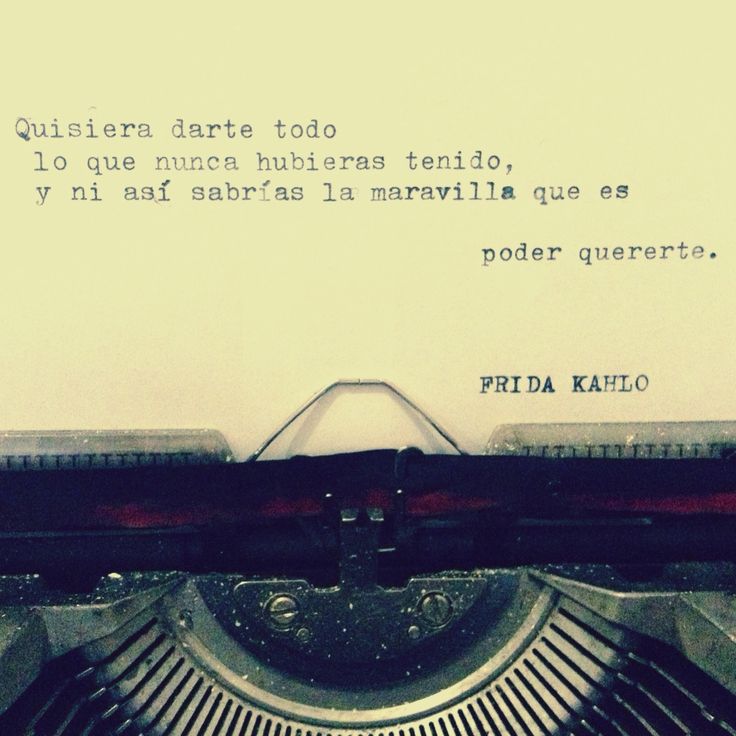
Lastly this morning, as I wrap up this scattershot of musings on a Wednesday, gazing outside the window at an early spring day, daydreaming of this afternoon’s visit to the new studio, and thinking about planting pear and black walnut trees on a 5 acre swathe of land on the Breakneck Road, my feelings keep coming back to the idea, that without the sense of love for yourself and others, that no dreams or beauty or art or peace or sense of tranquility is truly possible. May we all be lucky enough to have people that encourage us to find this feeling each day, in those temporary, fleeting moments. They are, after all, what ties us to our earth-bound experiences, and to each other.

frida quote


The Story of Adam

photo 2

“Worrying is carrying tomorrow’s load with today’s strength- carrying two days at once. It is moving into tomorrow ahead of time. Worrying doesn’t empty tomorrow of its sorrow, it empties today of its strength.” 

Corrie ten Boom

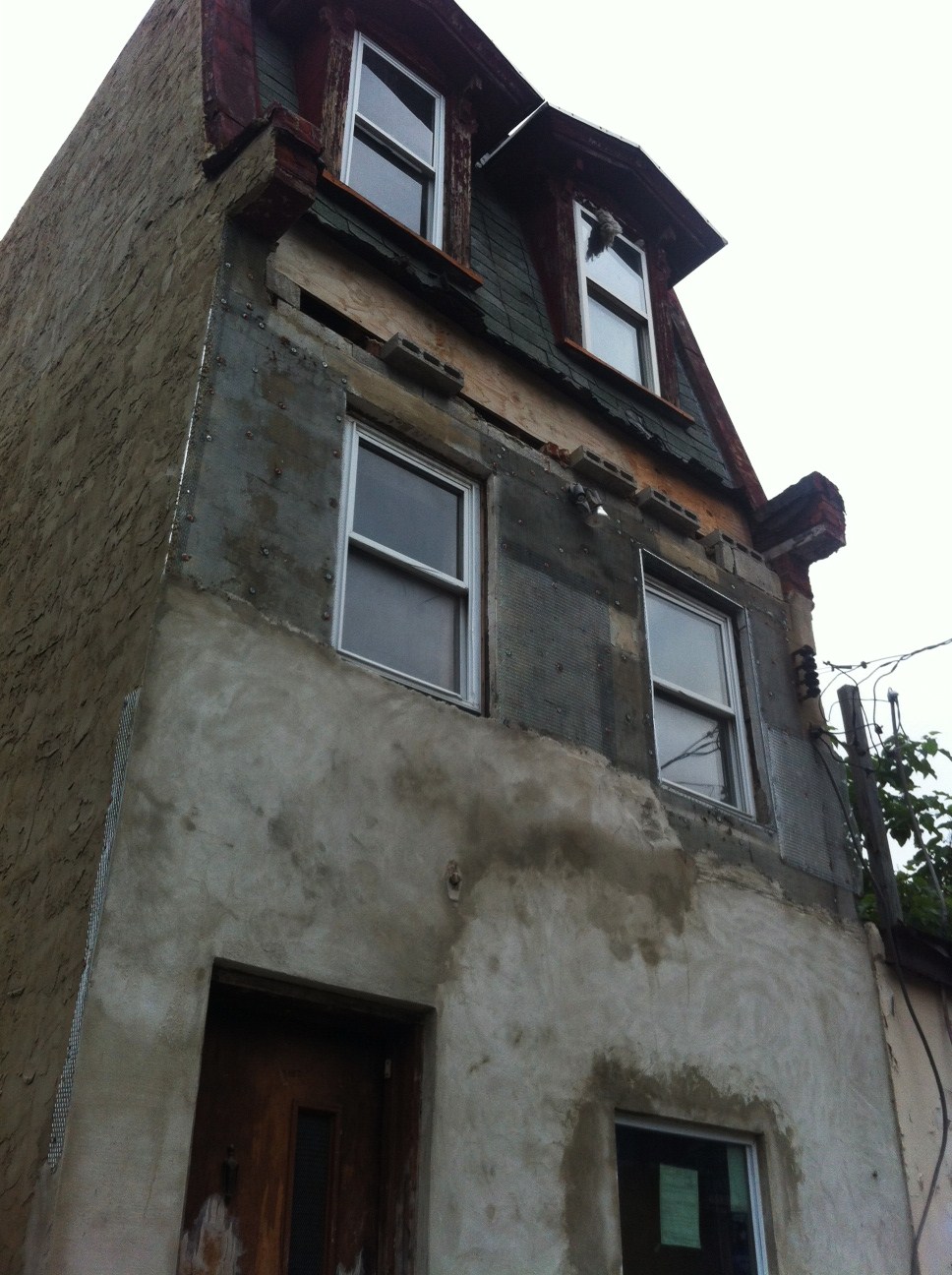
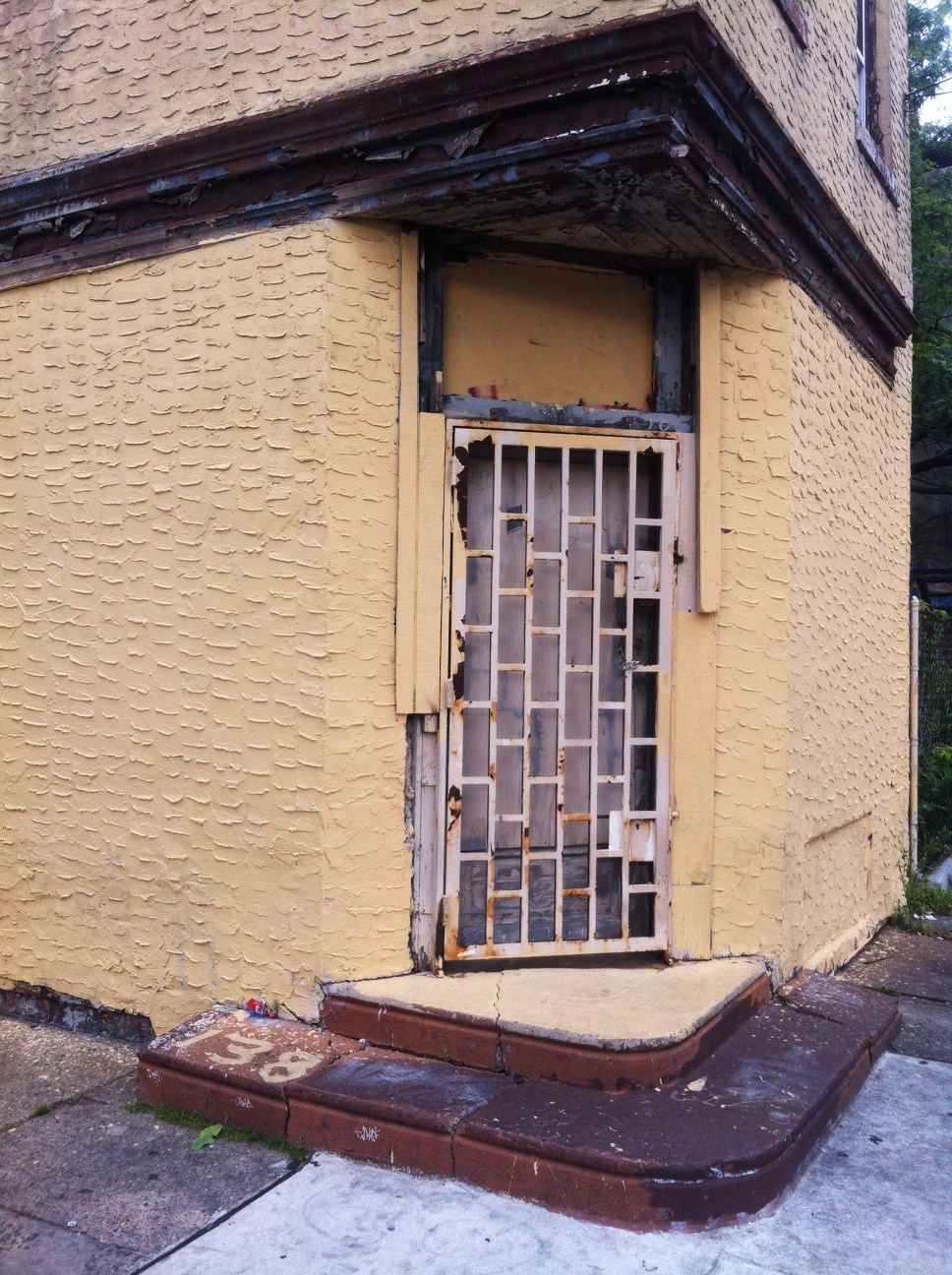
I met Adam in the early fall of 2011. As a new teacher at my North Philly charter school, I was required to visit the homes of all of the students in my home room. Adam lived in the Ojo de Oro neighborhood of North Philly: an area just off Lehigh Avenue that is most easily described as a melange of row houses, bodegas, cars, streetlights, and families.

When I pulled up to Adam’s house, or where I thought it was, anyway, I ran into a group of little kids sitting on a stoop, watching a movie on a laptop. Inside, their house was dark and they told me how great it was that they were watching the movie on the stoop. I asked if this was Adams house, and they said, “No! But he lives over there!”. Pointing, they steered me to a cream-colored house with a plain door. I knocked, and was let in by Adam’s mom. Inside, the house was dark, and I soon noticed that there was no floor. I sat on an armchair in the living room, and, looking up, I noticed that there was a huge hole in the ceiling where pipes were visible. His mom told me that some of the pipes had burst and they had tried to fix them earlier,  but that the basement still flooded all the time.

Into this room walked a tall, slender boy carrying a huge bottle of blue Kool-Aid. He was wearing a wife beater and basketball shorts, and had just come from his room where he was playing video games. Politely, he told me it was nice to meet me. His mom told me that I was the first teacher that had ever come to their house.

photo 3

Adam was challenged and challenging: life had set up many obstacles for him including a learning disability, emotional disturbance, a father with a history of incarceration, poverty, and a dominant anger management problem. During the first few weeks of school, Adam refused to attempt any assignment, and when asked a question, would laugh at the fact that I had dared to ask it of him. He sat, in the front of the room, where I had moved him, and did his best to do absolutely nothing.

In this room was a wall of closets, leftover from an educational past that would have had all the students hang their belongings in the closet at the beginning of the day. The school building was about 100 years old and had been built, owned, but not maintained by the School District of Philadelphia for all of those years. When the building was taken over by the charter school, it had sat, abandoned, for many years. Inside, homeless people had used it as a squat house and had stripped every piece of wire, every light bulb, everything of value, from its walls. When the charter started, they had to rewire, paint, and scrub every surface to make it into a semi-functional school again. Its three floors held its history in the peeling paint of its surfaces, its lack of air-conditioning, its squeaky floors, and those long, open-doored closets.

In the closet I kept all the tricks of my trade: lab supplies, baskets, colored pencils, paper, books, and fabric. I find that fabric is a great teaching aid, both as decoration and as a mechanism of soothing troubled children. All of us love touching fabric and looking at patterns and bright colors: this sense of touching something soft and flexible is a tangible way to relax and experience our environment.

One morning, Adam was supposed to take a test to determine his “levels”. These tests are notorious for the stress they cause in the students who are forced to take them. Racially, culturally, and economically biased, their results are questionable and do not take into account the individuality of the test taker. Adam had taken these tests every year he had been in school, and he knew what he was getting into, and most likely, what the results would say. So, he disappeared.

A few minutes passed and I asked the children where Adam was, and no one seemed to know. It was typical for the students to defend each other against the new teachers: they treated us like enemies who were out to hurt them in some way. This reaction to new people was not their fault: it was simply how they had learned to deal with the constant stream of teachers, counselors, and other adults who desired to help them when they didn’t want any help. In a moment of frustration, I happened to look into the closet and noticed that the fabric was moved, and looked almost wrapped in a cocoon. It was then I realized where Adam was.

Walking to the closet, I looked inside and saw a pile of fabric in the shape of a tall and slender boy. Crouching down, I touched him gently and said, “Adam? Why are you wrapped up in fabric?” He said, matter of factly, “I’m just in the closet”. I asked him if it was okay for me to ask him to unwrap himself and come back to his seat. He said no, again, very matter of fact. I asked again, gentler this time, if he would come back to class. Slowly, after a few moments of weighing his options, he uncurled his body, climbed out of the closet and back to his seat, laughing to himself the whole time. In his seat, he seemed to not acknowledge anything strange about his behavior. When the other teacher came to get him for his test, he refused to move, sitting in his seat, stuck as if with glue. When asked again, he became angry: cursing, he still refused to take the test. After much time and power struggles, we succeeded in getting him out of the room, after he locked the door, refusing to leave, and pushed himself against the door frame to stop the adults from being able to physically move him. Despite his slight stature, he was strong and young and absolutely determined not to have his intelligence measured by a test. Later, when we received the results, he was flippant and refused to engage with what those results meant. Again, sitting in the front row, he refused to attempt any of his assignments, and began his path to almost failing the seventh grade for the second time.

photo 4

Adam suffered from anxiety and, no doubt, felt an incredible amount of pain due to the circumstances of his life. He, often, could not see beyond his feelings to be able to see solutions that were actually fairly simple and direct. In refusing to attempt his assignments, he set himself back day by day, hour by hour. In becoming angry and potentially violent, he instilled in the adults around him a belief that this child was always going to be this way: there was no capacity for change. He had grown up in a terrible neighborhood that was enslaved by urban blight, poverty, open air drug markets, and violence. He lived in a house with no flooring, with a family that was trying their best to succeed when the deck was most certainly stacked against them.

Over time, Adam would occasionally arrive to school in a good mood and his almost constantly sarcastic laughter would give way to real laughter and enjoyment, Slowly, I could tell, he was learning something, even if hardly a pen touched paper during our ten months together. He complained that he was in the front row, and oftentimes was rude to the point of causing me to emotionally react to his behavior. Eventually, though, he grew on me and I on him, and he began to defend me against the other students who insisted on disrupting my attempts at teaching. One time even he turned to the other students and told them that “Miss is the only teacher that ever came to my house”.

I told him once that I was going to take him to Maine with me and put him on a lobster boat because that job was something that would be good for him. He needed time every day to do something kinesthetic: he needed to do things with his hands in order to bridge the gap between his anxiety and his intelligence. Adam was remarkably intelligent, funny, bright, sharp-witted, calculating and had a great capacity to learn and do almost anything. What stopped him were the negative feedback mechanisms of his own brain. When I told him about Maine, he laughed and said, “nah, Miss, I can’t leave my hood!”. I told him that he deserved a better ‘hood, and he just shook his head.

photo 5

Almost at the end of the year, when I had reached my wit’s end with the school, with Philadelphia, and with teaching science to a group of kids who had never been given a science lesson in their lives, we were learning about dinosaurs. Each day we learned about a new animal because it was a good way to pack vocabulary words into a concise and manageable space for the students. Also, one of the teachers had told one of my classes that dinosaurs didn’t exist because they were not in the Bible. I decided to fight fire with fire and teach the students about one dinosaur per day for two weeks. On this day, we were learning about Pterosaurs: flying dinosaurs. As I was teaching the names of the dinosaur to the students, and talking about its dimensions and what scientists thought its behaviors might have been, Adam raised his hand.

“Yes Adam?”, I said.

“Did you know that the military uses flying dinosaur skeletons to design drone aircraft?”

Stunned, I said, “no, Adam, I didn’t know that. How do you know that?”\

“I just like this sort of stuff”, he said, and went back to being quiet in his chair.

During that period of time, as I watched each day pass on toward the end of another school year, my seventh as a classroom teacher, every day I wanted Adam to pipe up and say something. He did, on only one day, but that one day was a huge step forward for him as a student and as a citizen of his class and school.

Anxiety and our interpretations and expressions of our past experiences can show our pain, raw and red, to the world. Sometimes we cannot understand the actions of someone with anxiety because we cannot see beyond the ends of our own noses, and because, honestly, we wish to help when sometimes no help can be heeded. In those moments, it is important to remember that we are all only existing in this one, present moment, and to look for the glints of hope amidst the darkness. Those moments of precious clarity are fleeting, and some would say insignificant. I say that in that one moment, Alex let go of his anxiety and his anger and his learning disability and his father and his past, and was a normal middle school kid who loves dinosaurs, and planes, and video games.

And I will always be thankful to him for that.

“Do you know what hurts so very much? It’s love. Love is the strongest force in the world, and when it is blocked that means pain. There are two things we can do when this happens. We can kill that love so that it stops hurting. But then of course part of us dies, too. Or we can ask God [whatever we consider her/him to be] to open up another route for that love to travel.” 

– Corrie ten Boom