Viva La Vida

Frida Kahlo and Pet Hawk

I have been in radio silence now for quite a while; there are various reason for this, but mostly life just keeps getting in the way of delivering my musings to you here. I have a slew of stories to tell about sailing the Caribbean in Panama, as well as reflections on the ending of my second winter in Maine, as well as new developments in the art-sphere, namely a new studio in a magical place that has been a stomping ground of mine since I was a little girl.

But, for today, for all we have is today….some musings and ideas from two of my favorite artists, that will propel us all forth this second week in April, in the year 2014, my thirtieth year of spending time on this small island that I know call home.

fridabrush.19

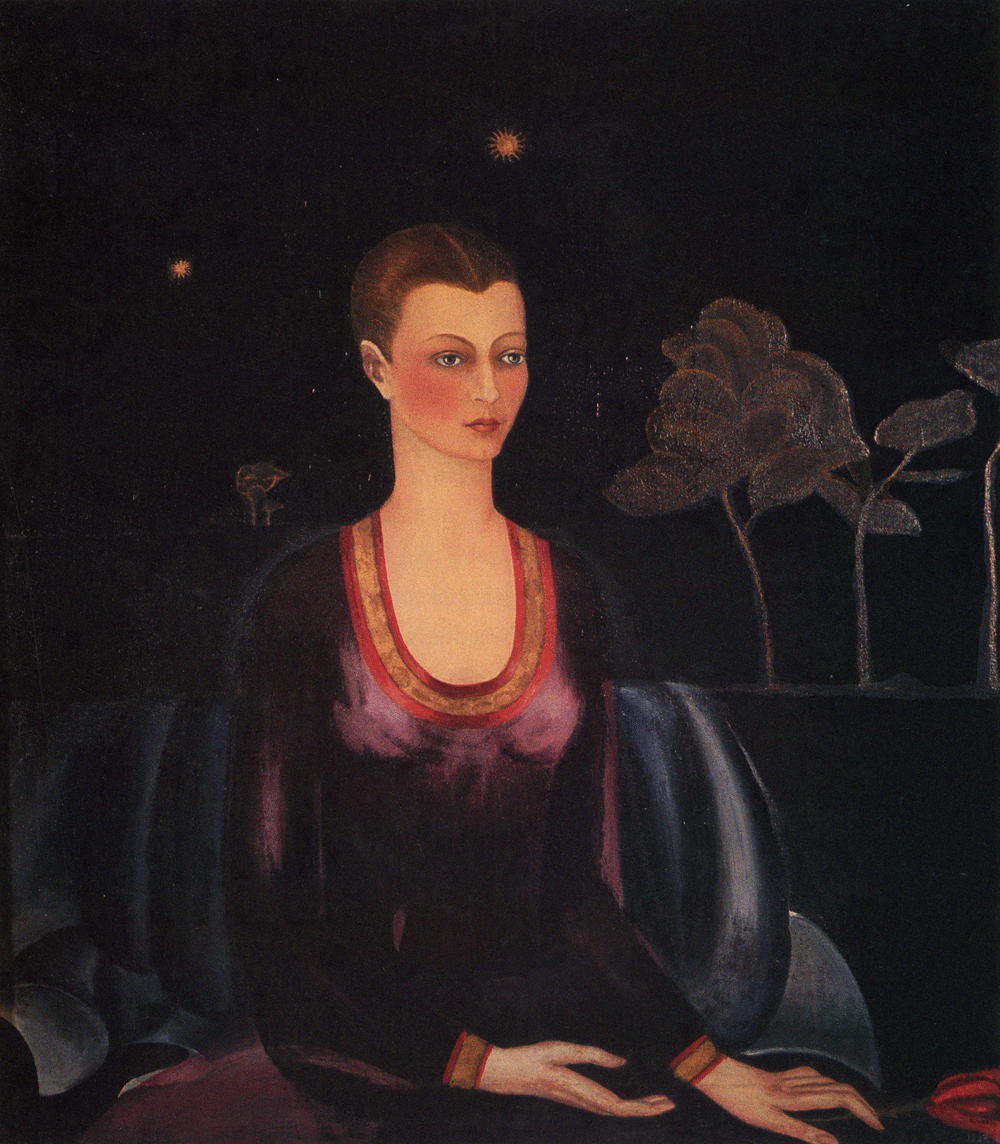
The Portrait of Alicia Galant (1927) was the first painting of Frida Kahlo’s that made me pause. I was a very young girl of maybe 10 when my best friend’s mom dragged she and I to the Houston Museum of Fine Arts to see the exhibit of a painter who, before that moment, was unknown to me. I remember spending many minutes gazing at this painting because it felt, to me, as if it was alive and glimmering: velvety and viscous, dark and deep set in the night.

tengo alas

“Feet, for what do I need you, for I have wings to fly?” has been a motto of mine, especially during the metamorphosis of the last two years. I find that holding on to dreams, and trusting that when you  leap, you will land somewhere far better than where you started, and of course, just keeping going, one foot in front of the other, is what will propel you forward to a happier life that is full of intentional actions versus reactions to simple circumstance.

Today, I read this quote from another of my inspirations, Anais Nin, and thought to include it here as a musing on the doubtful part of the creative life: those dark corners of the psyche or even your apartment, when the doubts or fears or seeming impossibilities of what you are doing seem overwhelming. It seems to me that anyone embarking on the creative path will discover these dark corners of themselves; the trick, I think, is to channel those into more making, more artwork, more writing, more pause to understand the temporary nature of each passing moment, so that the creativity can continue, rather than be stifled by the “shoulds” and “should nots” of our cultural world.

“You must not fear, hold back, count or be a miser with your thoughts and feelings. It is also true that creation comes from an overflow, so you have to learn to intake, to imbibe, to nourish yourself and not be afraid of fullness. The fullness is like a tidal wave which then carries you, sweeps you into experience and into writing. Permit yourself to flow and overflow, allow for the rise in temperature, all the expansions and intensifications. Something is always born of excess: great art was born of great terrors, great loneliness, great inhibitions, instabilities, and it always balances them. If it seems to you that I move in a world of certitudes, you, par contre, must benefit from the great privilege of youth, which is that you move in a world of mysteries. But both must be ruled by faith.”

Lastly this morning, as I wrap up this scattershot of musings on a Wednesday, gazing outside the window at an early spring day, daydreaming of this afternoon’s visit to the new studio, and thinking about planting pear and black walnut trees on a 5 acre swathe of land on the Breakneck Road, my feelings keep coming back to the idea, that without the sense of love for yourself and others, that no dreams or beauty or art or peace or sense of tranquility is truly possible. May we all be lucky enough to have people that encourage us to find this feeling each day, in those temporary, fleeting moments. They are, after all, what ties us to our earth-bound experiences, and to each other.

frida quote


The Enormity of Spaces

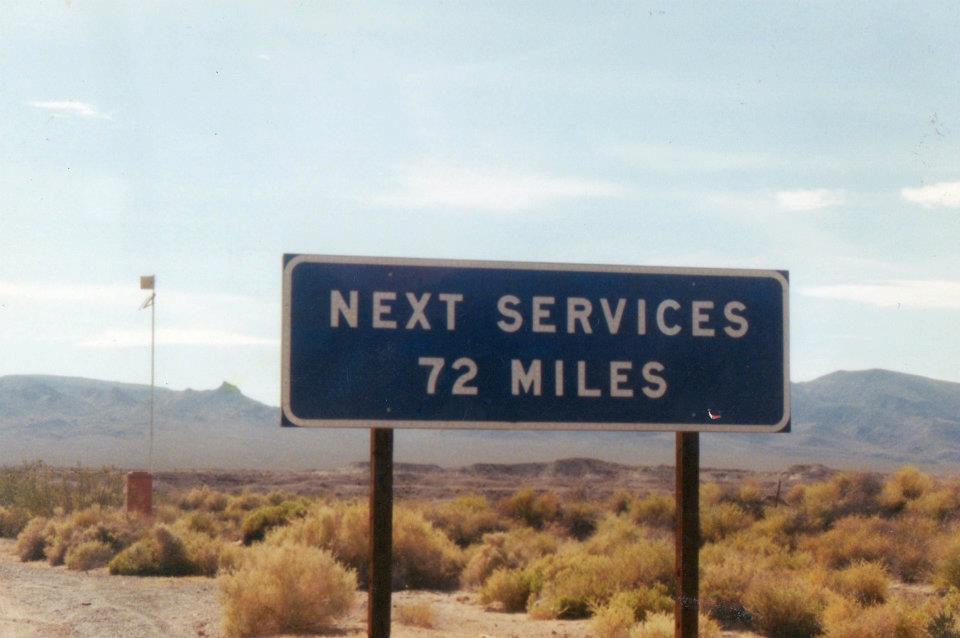
next servicesWhen I was 19 or 20, I have forgotten which, I went on a long road trip with a college boyfriend out west, from Austin all the way to Washington state and back. We traveled through New Mexico, Arizona, Utah, Nevada, California, Oregon, Washington, Wyoming, Montana, Idaho, and Colorado all in a blue Ford Taurus that looked a little more worse for wear when we returned two months after we had left.

A highlight of this trip was our stop at the Grand Canyon. Previous to a random stop in Pecos, Arizona, town of art and college students, we were, like everyone else, going to stop at the South Rim of the Grand Canyon, walk along the plexiglass bridge and marvel at the sights alongside throngs of other tourists. In Pecos, we stopped in a cooperative art gallery and I started chatting with the man working the gallery that day and he told us we should go to the Toruweap entrance instead, and so, we did.

painted desertThe Painted Desert, on the way to Toruweap

Toruweap is a hidden entrance to the Grand Canyon, one accessed by driving up into Mormon country and knowing where you are going because no one will give you directions. After a few turns here and there, you end up at the bottom of a valley with a very large sign at your right telling you the road ahead is 65 miles long and only suitable for all wheel drive vehicles. We pressed on in the Taurus, and two and a half hours later, arrived at a ranger station. We were allowed in and proceeded to drive along huge, flat slabs of limestone on our way to the rim of the canyon, at which point we parked and set up our tent, and walked to the edge of the canyon, realizing that we were the only ones there.

One of my first memories of the Grand Canyon campsite was looking around and noticing the largeness of that place. Later in the day, I walked through rattlesnake infested terrain, over rocks, and sat on the edge of the Grand Canyon, looking down. At that time, only the two of us were there and we were able to experience the Canyon in a way that most people do not: it was immense, many-layered, radiating with heat in the summer sunshine. I sat there a long while pondering how deep it really was, and how I could get down there, and what would happen if I were to fall?

That night we lit a campfire and stared at the stars, thinking about the monstrously huge cliff’s edge only a few feet from where we sat. In the morning, we woke up and went walking around, looking for strange rocks and plants, narrowly missing a rattlesnake, until we saw a small, white Toyota truck with a Utah license plate parked next to one of the picnic tables.

Walking up to the truck (we had already learned to just say hello to other folks on similar journeys to ours), we saw an old man with a long white beard, eating cantaloupe and drinking black coffee, reading Harry Potter and the Sorcerer’s Stone. Now here was an interesting character, who we learned had driven in late last night for the evening and was about to head home. We sat and shared cantaloupe and coffee, and talked about the world, and traveling, and quickly said goodbye to take off to our next stop: Arches National Park in Utah.

barn windowSalsbury Cove Barn Window

That trip was many years ago now, in fact it was something like twelve summers ago. If I look outside my window today, I see fog and dreariness: the markers of Maine spring. When I was a child, we would arrive in Maine every May and every time we pulled up the driveway of our camp house, with a grocery bag of chicken pot pies, tea, and who knows what else, it was always raining. My memories of Maine in late spring always involve fog, cold, and greyness.

sculptureSculpture and steps outside the jewelry studio at Haystack

It was been awhile since I have written here: too long, as life is passing me by quickly and the events that necessitate recording are piling up inside my mind. I haven’t written since just before leaving for my Haystack weekend, and suffice it to say, I am more than thrilled that I went and had that experience. I met many incredible people, made many things, learned how to be a baby blacksmith, drank a lot of bourbon, and didn’t really sleep for three days. Not sleeping turned out to be a bad decision as it left my body quite empty and shaken up for almost two weeks!!! No longer am I a woman who can party all night and stay up all day the next day…

early morning coffee cupsEarly morning light, many coffee cups…

At Haystack, also, the Maine spring was in full force and it was foggy and cold and clammy almost every day, culminating with our last day being downright soggy, slippery, and windy-cold. There are two bridges to Deer Isle: one is a green metal suspension bridge reminiscent of something you’d find in New York, and the other is a low stone bridge made of white stones that stand out in stark contrast to the grey and brown pebble beaches, the amber and golden seaweed, the green fir trees, the blue water, the white boats.

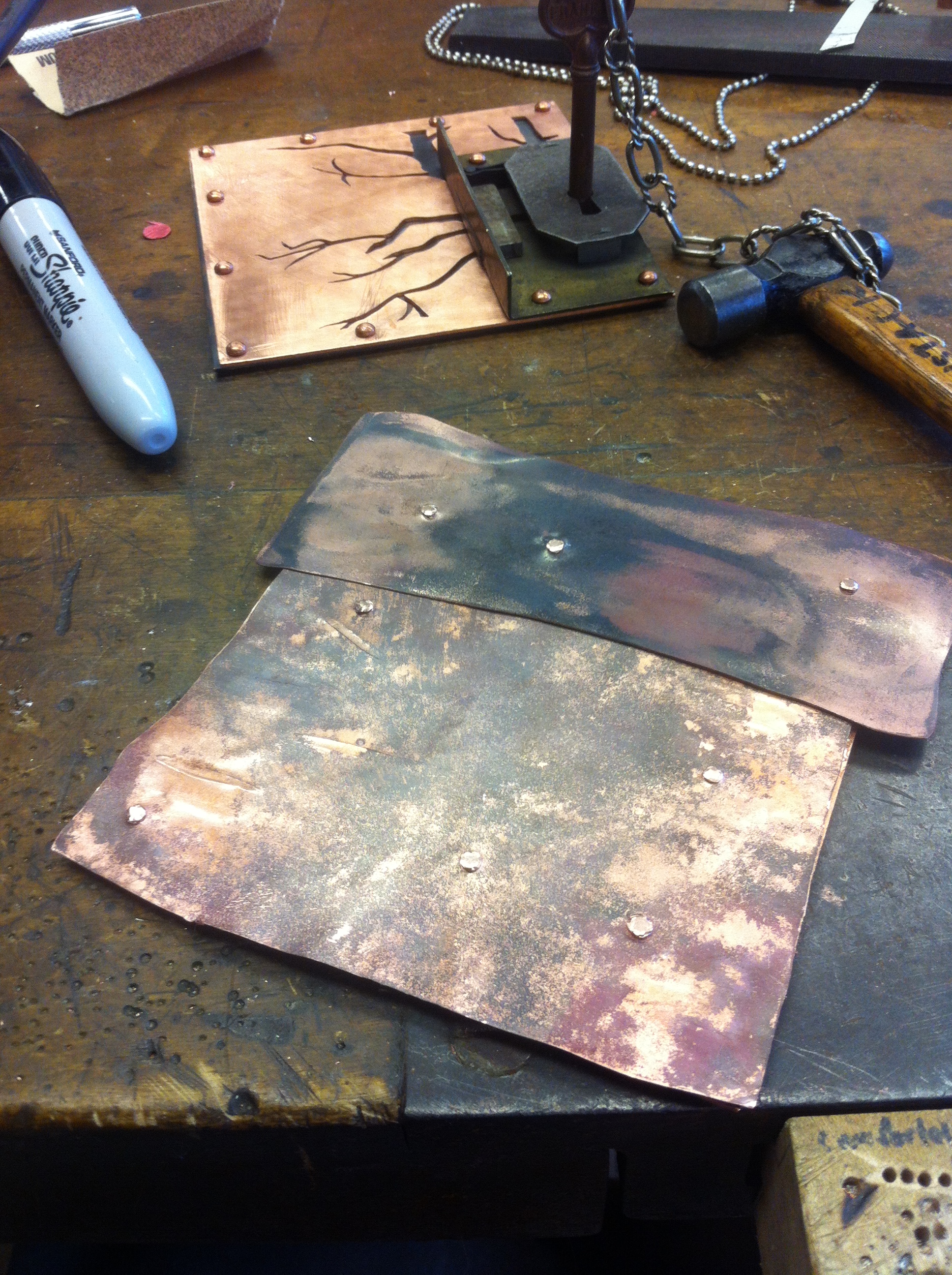
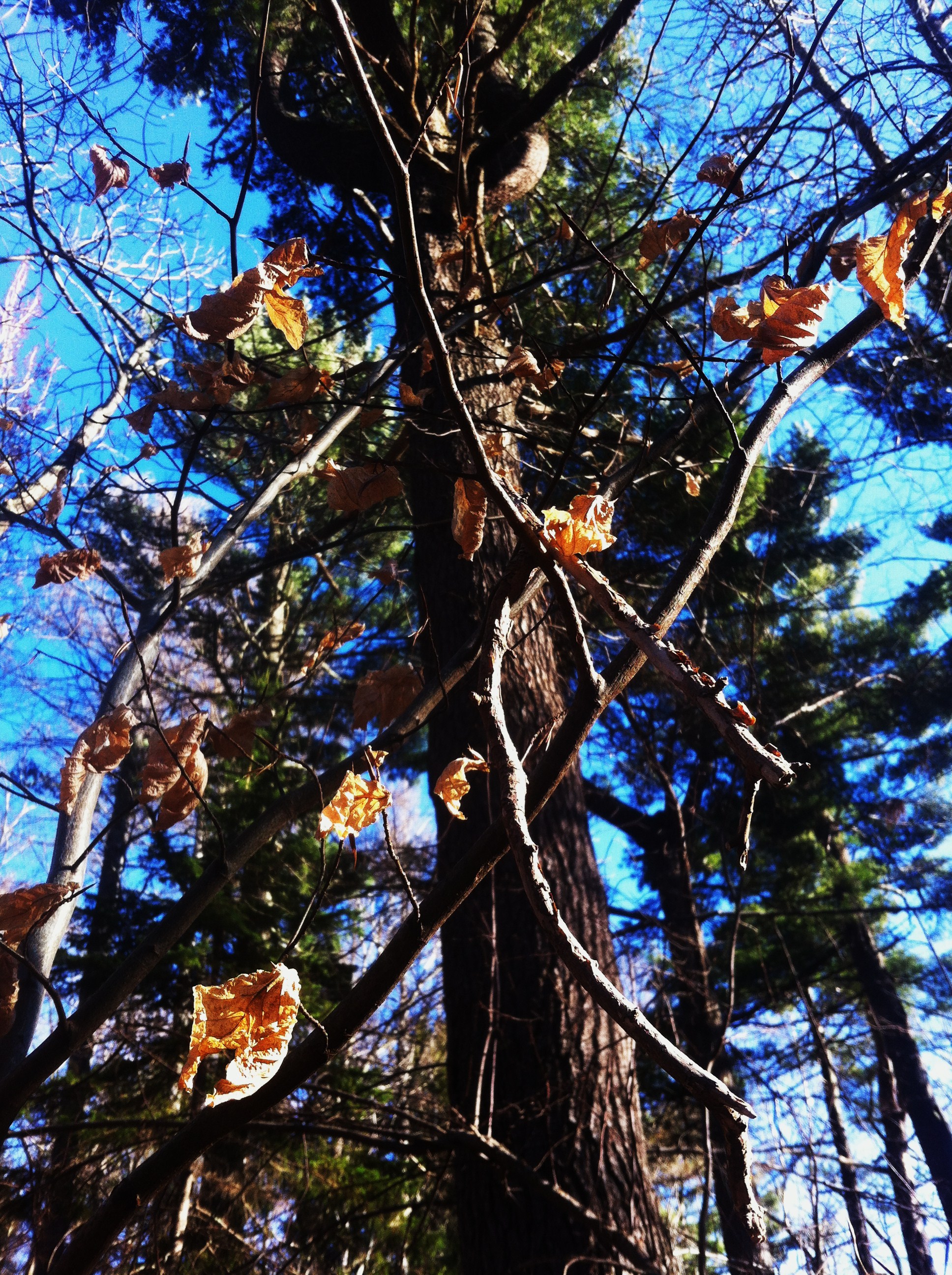
Haystack is a crafts school that was build in 1961 outside the village of Deer Isle, Maine, and sits on the edge of the ocean, on a small bay that is dotted with the fir covered islands so common to Downeast Maine. If you walk down to the bottom of the steps that run the length of the studios, and lean against the railing, you will see birds fishing and swimming in the water before you, some moorings, some lobster buoys, a large island draped with golden and amber seaweed, and many smaller islands laying long and flat along the horizon. If you sit down there at night when the wind is blowing, you will hear the banging of the cleats of the flag against the metal flagpole, and hear loons call their eerie song to you. You will see the nightlights passing through the wooden slats that make up the deck and stairs, and perfectly frame a pair of windy, Arthur Rackham trees that grow up out of the beach and against the bottom railing of the deck. These are the trees that became part of the top of the box that I worked on most of the weekend. The box is made of copper and bronze and a 100 year old lockset with key, copper rivets, and epoxy that covers a piece of paper from an old newspaper, asking the question: what shall we do with our daughters? What shall we, indeed?

treesInspirational Trees

box topDo you see them?

Haystack helped me understand something about myself: that I crave the night spaces, the dark times, and that I like to work uninterrupted by others. I can work with others, as long as do not have to interact with them very much. The first night at Haystack I experimented with tools like the hydraulic press and their very fancy rolling mill and their many daps and dapping stumps and made a really beautiful, tiny vessel that looks, almost, like an autumn leaf.

vesselLate night fold forming experiment

The night spaces at Haystack are what are special: the coolness of nighttime, the sounds of the wind rustling the trees, the glow of orange and white lights out of studio windows. The sound that the sliding door made when I opened and shut it, knowing no one else was there, was immeasurably gratifying. Opening the studio door early in the morning and seeing the blue morning light cascading through large windows, casting the anvils, the tables, the lights, the walls in an eerie, silvery light. The smell of that studio reminded me of my old studio in Austin, but much, much colder, as if the environment that surrounded us on all four sides penetrated the walls, becoming part of the building itself.

studio instagramLate night, empty studio

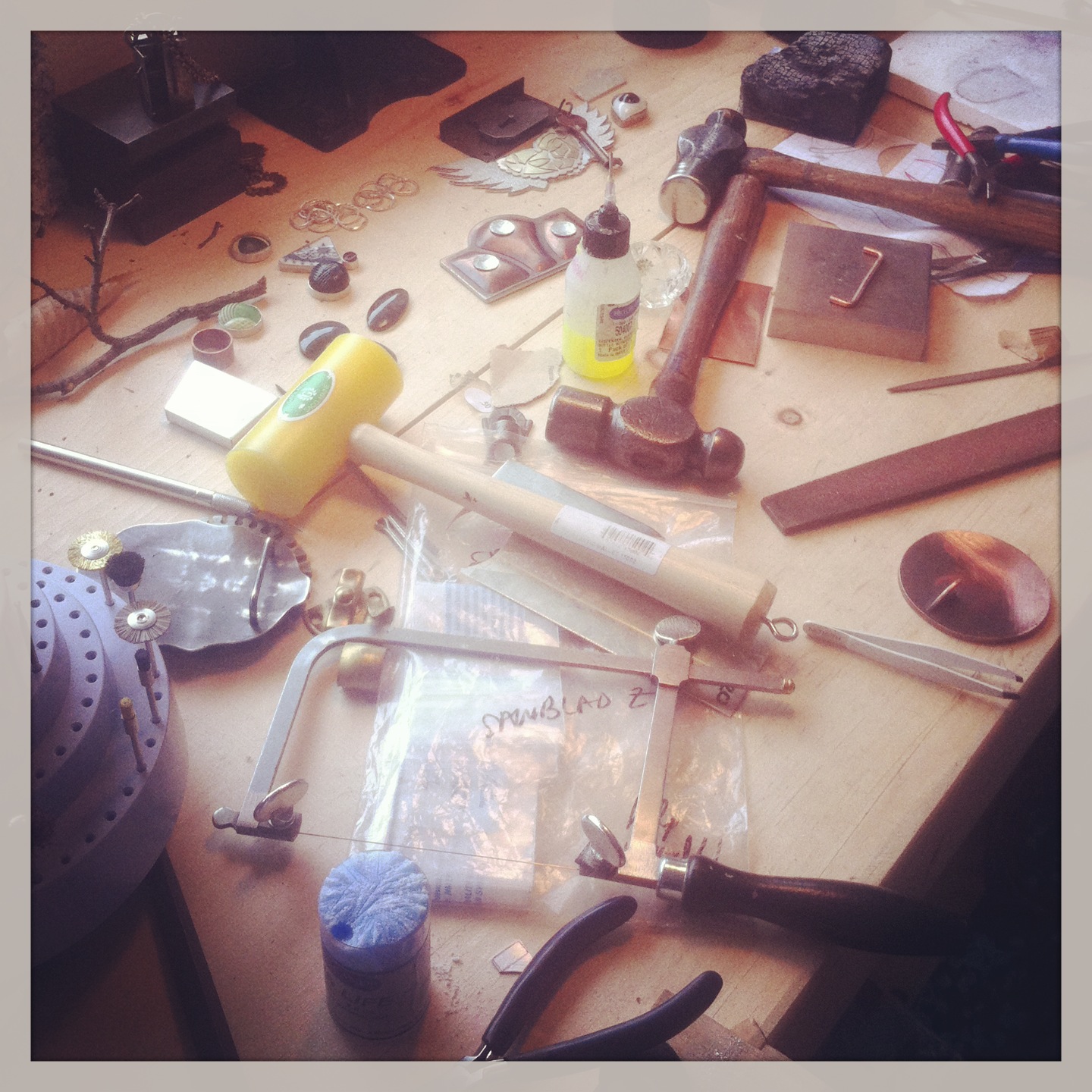
haystack benchWork space

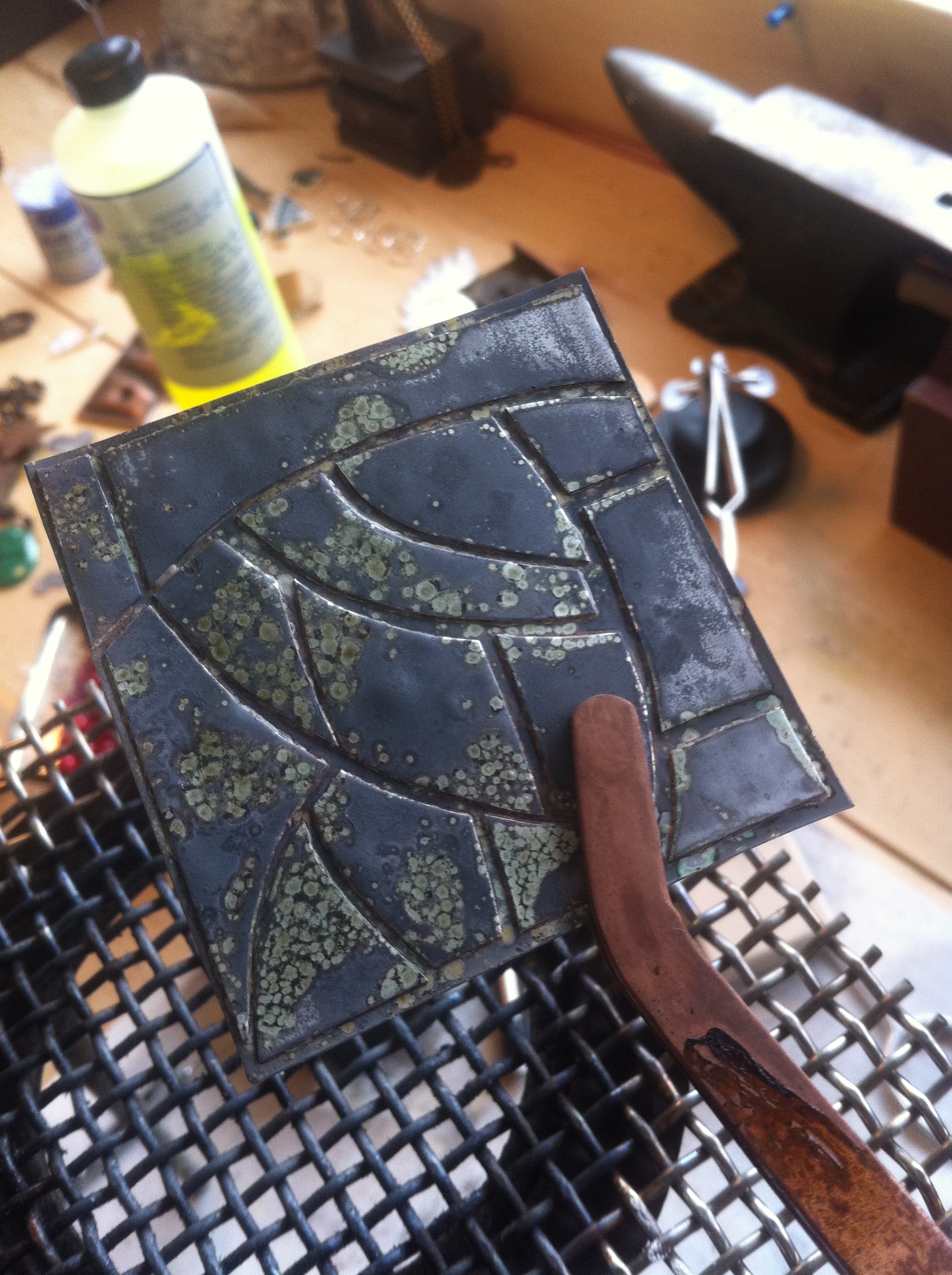
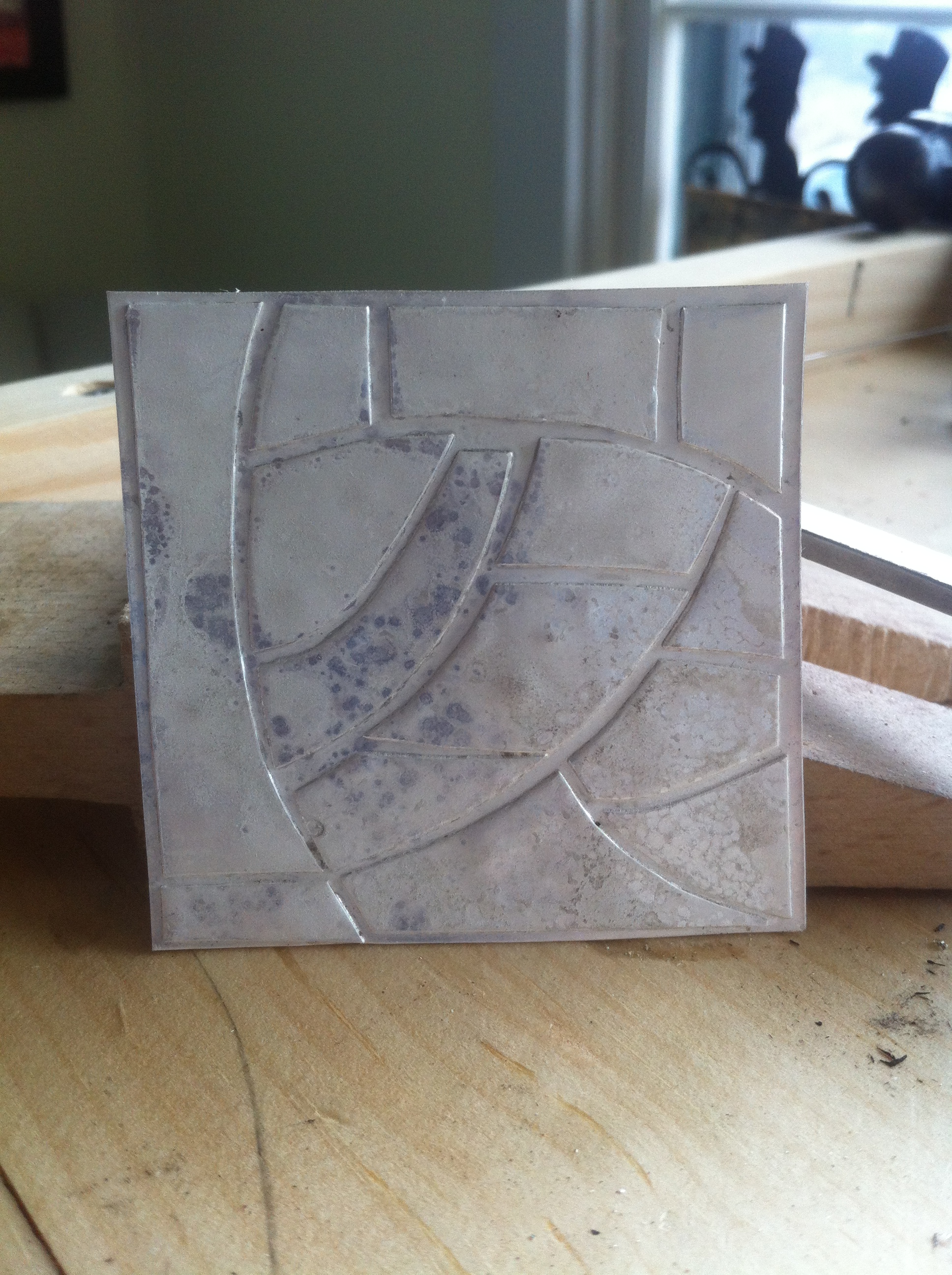
heat patinasExperimental heat patinas on paper-thin copper

heat patinas 2Detail

etchingsExperimenting with salt water etching

And that is, of course, my experience of life in Maine, that we are literally drawn into and become part of the landscape, and it of us. It is impossible to not be affected by and to effect the landscape, whether it be your footprints on old leaves whilst walking in the woods on a rainy day, or whether it simply be the memory of the way the birch trees with their white and black trunks look in contrast to their lime green new leaves. The landscape is burned into your mind, your heart, your soul, and becomes tied to its ever changing daily face, no two days the same, just like us.

When Haystack Weekend was over, and I was left completely exhausted after not sleeping the last night at all: I was blacksmithing til dawn and then just powered through to work on the box until crashing for about ten minutes at 9:30, my friend and I drove home along the windy roads of Downeast Maine, in the rain, talking about people, laughing about the weekend: making a wrong turn at one point, we ended up almost in Penobscot. The roads from Blue Hill to Deer Isle wind and wind, twist and turn around houses old and new, showing bushes bursting forth with spring color, lobster traps, old cars, hidden in the woods sometimes are even older houses, stone walls, and other mysteries that stay half hidden as the seasons keep rolling by.

It is hard for me to understand that in a few short days it will be the 1st of June, and that I have lived in Maine now for almost one year. I started writing here at the end of August of last year, and have watched the seasons change from summer to fall to winter to spring and soon, it will be summer again. Time keeps marching by, keeping its own pace, and we are simply swimming through, bearing witness to all the changes, small and large, planned and surprising.

boxThe box

A Long Weekend

It may be that the satisfaction I need depends on my going away, so that when I’ve gone and come back, I’ll find it at home.”

– Rumi

harbor sunset

Taking time to go away is a hugely important facet of my life; I have long been a lover of travel and of the new experiences that come with it. I truly believe that without all the traveling that I have done, I would not be the person I am today. New places and new ideas, new people and new adventures all contribute to the labourious mosaic of who we are and what we are at any given time.

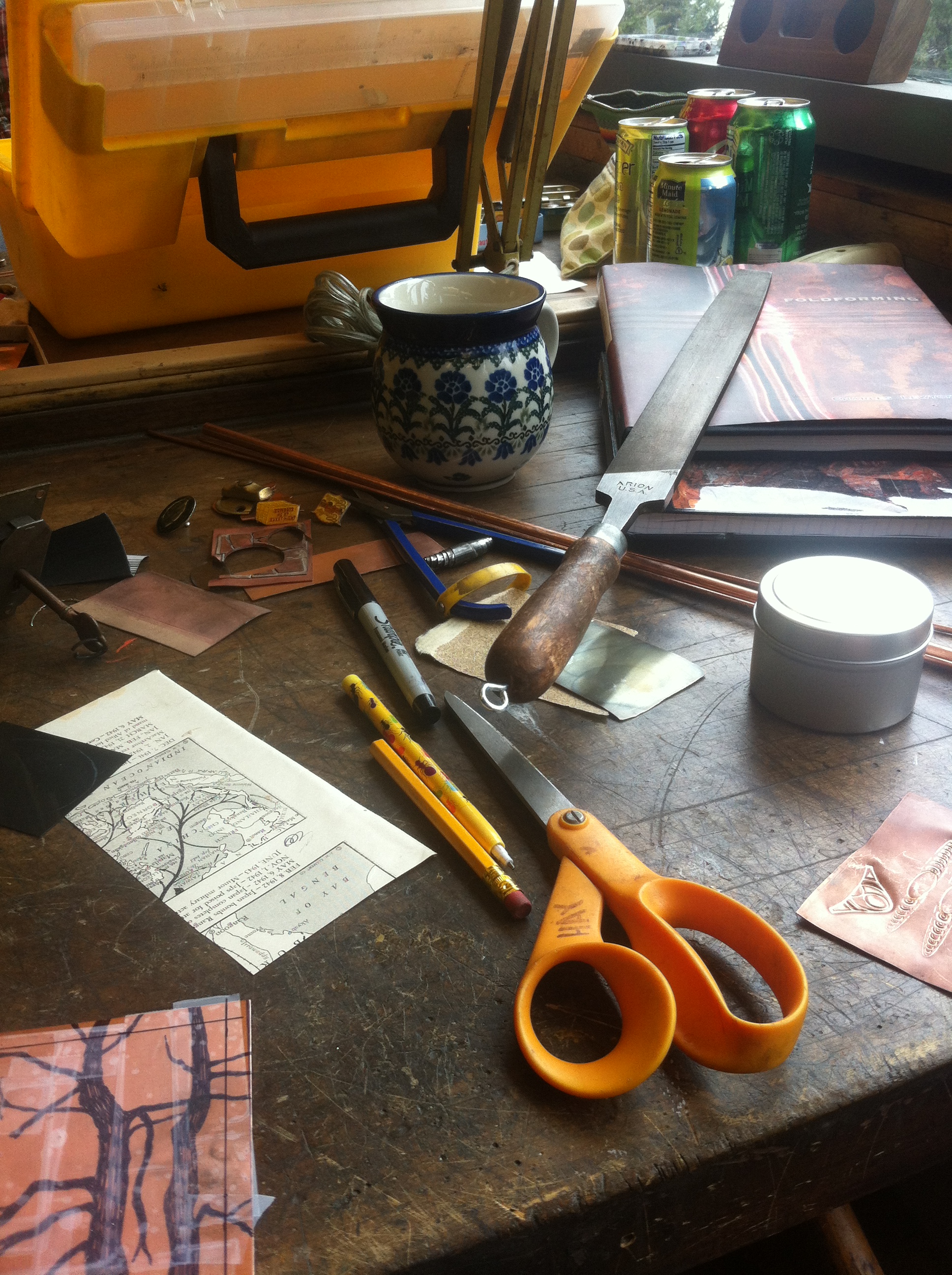
Tomorrow I am off to the Haystack Mountain School of Crafts for a weekend of art-making with fellow Maine artists: jewelers, blacksmiths, wood carvers, fiber artists, and ceramicists. I have never had an experience like this before, and am almost bouncing with excitement. My excitement stems from the traveling aspect of going away from home for four days, meeting new people, learning new skills, but the most important source of excitement is that I really don’t know what will happen, how the next few days will pan out, and how I will feel by the end. This is the joy and beauty of taking a bag or two, or in my case a trunk full of tools, and heading off into the distance for a little while.

I have been ruminating on change a lot lately, being that I feel some fundamental changes have happened within myself, and within many people who are close to me. I have felt these changes incrementally, but didn’t necessarily notice them until confronted with the behaviors and thoughts of those who I haven’t been around in a little while. It is hard, in a place as tiny as this, to notice changes in oneself, because so much time is spent alone, or with a very small group of friends. I find that this metamorphosis, this process that is just in its beginning stages, will catapult me and whoever else is going through the same process, forward into a more present life: a life of trying to accept the past, let it go and move forward. It is hard not to blame your own feelings on the decisions or feelings or behaviors of others.

Today, during a very foggy, almost non-existent sunset, I spent some time drawing out on my deck, at my green picnic table. I haven’t drawn with pastels in years and years. In fact, I haven’t been drawing in so long I cannot remember the last time I sat down and spent time with a large piece of paper and many colors in a small box.

harbor sunset 2

Time to go away, and then experience the joy and beauty that is coming back.

An Exhalation…

“Throw your dreams into space like a kite, and you do not know what it will bring back, a new life, a new friend, a new love, a new country.”

– Anais Nin

schieleLandscape – Egon Schiele 1913

IMG_2342Spring Shadows at Compass Harbor, Acadia National Park

“O thou with dewy locks, who lookest down
Thro’ the clear windows of the morning, turn
Thine angel eyes upon our western isle,
Which in full choir hails thy approach, O Spring!

reflectionReflections, Northeast Harbor

IMG_2330Tools and Toys from the Tool Barn, Hulls Cove

IMG_2336Beech Tree in Early Spring, Compass Harbor

IMG_2347Birch, Box and Block

“The hills tell each other, and the listening
Valleys hear; all our longing eyes are turned
Up to thy bright pavilions: issue forth,
And let thy holy feet visit our clime.

benchTools for Creativity

ideasIdeas

chainChain, Northeast Harbor

deconDeconstruction

“Come o’er the eastern hills, and let our winds
Kiss thy perfumed garments; let us taste
Thy morn and evening breath; scatter thy pearls
Upon our love-sick land that mourns for thee.

harborNortheast Harbor in April

IMG_2334A Dream, disguised

IMG_2337Birch Bark

rocksRocks, Northeast Harbor

mosaicsMosaics

solderingHeat & Oxidation

“O deck her forth with thy fair fingers; pour
Thy soft kisses on her bosom; and put
Thy golden crown upon her languished head,
Whose modest tresses were bound up for thee.”

– To Spring – William Blake

duskDusk, Northeast Harbor

reconReconstruction

“It is the function of art to renew our perception. What we are familiar with we cease to see. The writer shakes up the familiar scene, and, as if by magic, we see a new meaning in it.”

– Anais Nin

A Laborious Mosaic


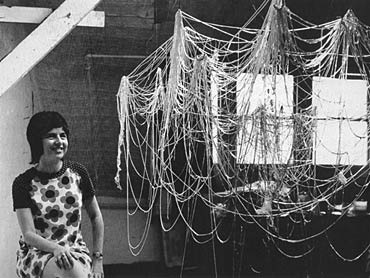
“She was very aware that it was temporary. She was not defensive about it; she was offensive about it. She would say that it was an attribute. Everything was for the process–a moment in time, not meant to last.” Arthur C. Danto about Eva Hesse

I have been accused of being a perpetual boyfriend-chaser.

I have also been labeled a love addict.

Tis too true — I love falling in love, being in love, feeling love. Although, I must admit that I do not truly know what it is to be a participant in mutual, building, sustainable love. I love helping people and I love loving others. I love feeling them need me; I love attention.

owl-horizontal

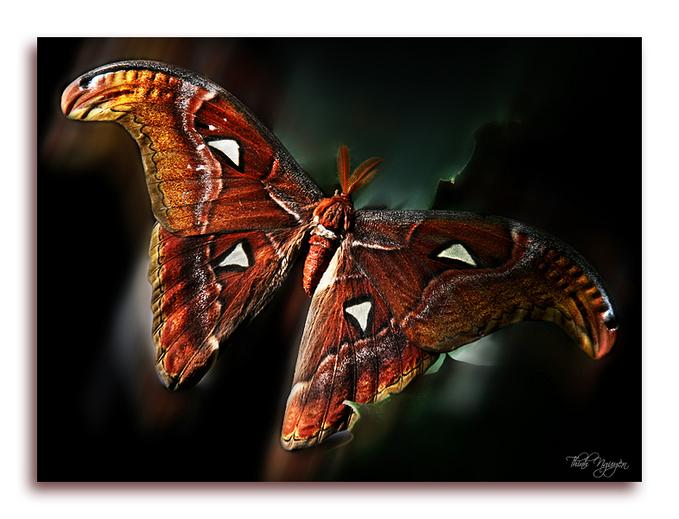
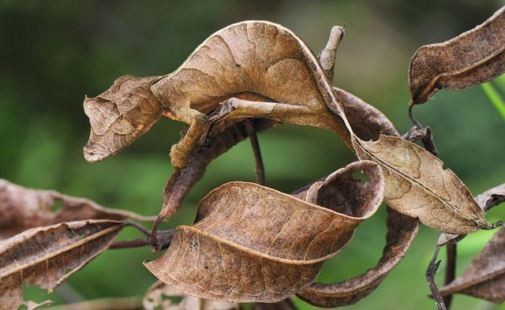
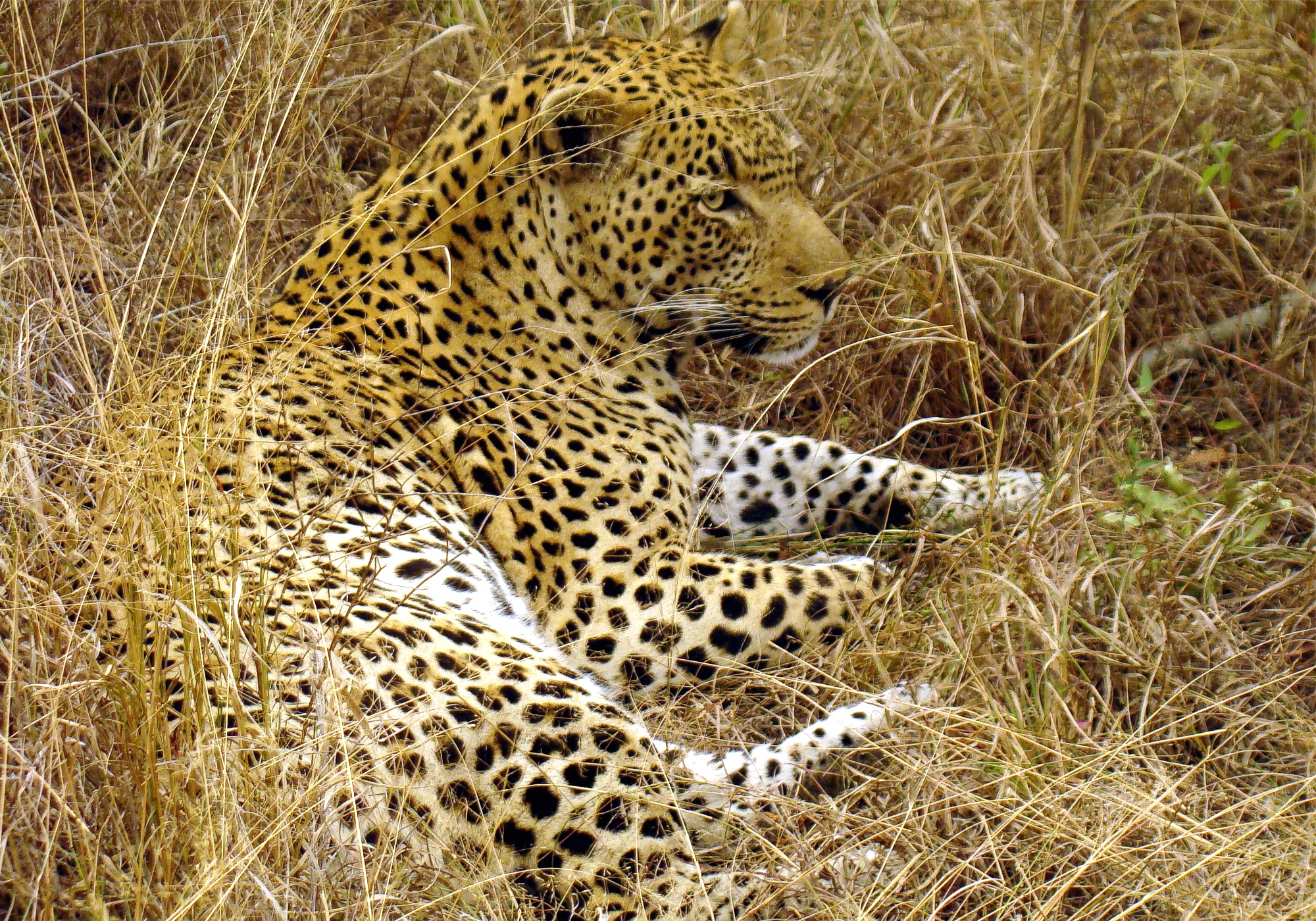
That being said, I choose the wrong partners almost every single time. OK: every single time so far. I choose partners who are selfish, who cannot really love another person. I choose partners who are emotionally unavailable. I choose partners who are artistic and aloof. I choose partners who are needy and manipulative. I choose partners who see me as someone, as one someone, and I change into that person. I am a chameleon for men. I have written here earlier that I am the Queen of Running, and that I can adapt to almost every situation. Maybe my spirit animal should be the chameleon, or one of those amazing walking sticks that look like leaves, or a black panther or the moth that has cobra heads on its wings. I have changed for whomever comes across my path and shows interest in me. I am natural nurturer, and if someone lets me take care of them, I will. I will care and nurture and support until I am left, hollow and exhausted, usually about two years later.

5675513-md

The exception to the two year rule was my husband, who I was with for almost seven years. We made it those seven years for various reasons. We split because we had never learned to communicate, could not disagree in a productive way, he had no motivation to really be a partner to me, he depended almost entirely on his parents who were always going to be more important than me or us. We had become roommates, friends, not lovers. Our life had become routine, so routine. Our life was managed by me, nurtured by me, maintained by a series of expected movements and dependable, predictable routines cultivated over the years. I worked the stable job, I managed the money, I organized our life: I was the one that held it all together. We could have kept that life going for a little while longer, maybe another two years, but the progression of life was not there: we had stagnated. There is a saying about relationships that they are like sharks: they have to keep swimming or they die. Ours was a sleeping shark, drifting downward into the depths. I simply cut off its fins and forced it to sink faster when I asked, after months of painful deliberation, that we separate.

Camouflage - Find The Animals - 8

The other exceptional thing about my ex-husband is that he was easy-going and meek. He was artistic and creative, but not passionate. He didn’t possess the animation, the mad energy, the lust for life, that many other lovers have possessed. He didn’t spin in mental and rhetorical circles, or live in a house that was crumbling and had no refrigerator. He didn’t have long hair and love to go backpacking up the sides of mountains with no map, he didn’t write me poetry and weep in my arms, he didn’t ride bicycles until 7 in the morning and come home drunk and angry at something inside himself. He didn’t live in a foreign country in a beautiful house, separated  from what he really wanted but with enumerable possessions, and he didn’t pretend to be someone he was not by dulling himself with alcohol or drugs, spinning records on weeknights, using philosophy as a tool for avoiding people and experiences, but he was, in the end, like all the others, a liar.

When my friend asked my other friend if I was a perpetual boy-chaser, she was referring to my seemingly endless pursuit of the passionate man, the man whose madcap dash through life is something akin to a drug for me: something that I will seek and find, even unconsciously. Put me in a city of millions or an island of a few thousand, and I will still find this man. I find him everywhere, even when I am not looking. This spirit of chaos, this spirit of degradation, of manipulation, of skewed love, of lust, of power, of personal disaster will be rooted out, as if there is a magnet or a hidden sign emblazoned on my spirit, heart, or soul…..here I am, it says.

camouflage_animals_19

Another friend of mine says that it is like I have two minds: one that knows what I should do, and one that tricks me into torturing myself, into the painful place of this type of relationship. I can tell you where it comes from, but it doesn’t really matter, and you can probably guess, anyway. Many of us have these same issues, coming from that man that we grew up with. Suffice it to say, my father suffers cruelly from what David Foster Wallace called The Terrible Master, and I look or act or sound or remind him of someone from his past that recalls the painful terror that echoes through his inner dialogue. Since I was about thirteen, I was a fairly easy target for his frustration, his failure. I listened, I internalized, I began to question if what he said was true. And almost every person I choose as a partner reflects those questions back at me and I end up telling myself the same thing: if I can just stay here a bit longer, then he will get better/happier/more stable/more successful/more loving/more open/more motivated and will be able to show me what I need. I know he will. And of course, he never does because he was unable to, all the way at the beginning.

leopard-camouflage I read a beautiful article today about an artist named Eva Hesse, a woman that previous to today, I had never heard of.

“At this point,” Hesse wrote, “I feel a little guilty when people want to buy it. I think they know but I want to write them a letter and say it’s not going to last. I am not sure what my stand on lasting really is. Part of me feels that it’s superfluous, and if I need to use rubber that is more important. Life doesn’t last; art doesn’t last.” 

Born in Germany but who lived a short time, part of her short life, here in the United States, Hesse was a 1960s modern artist, a sculptor who sought to navigate through her world and interpret it through her sculptures of industrial materials, anatomical forms, and repetition. She named her pieces with coy names, or ones that reflected scientific discoveries of her age, or her opinions on the direction of the movement she participated within.

eva hesse

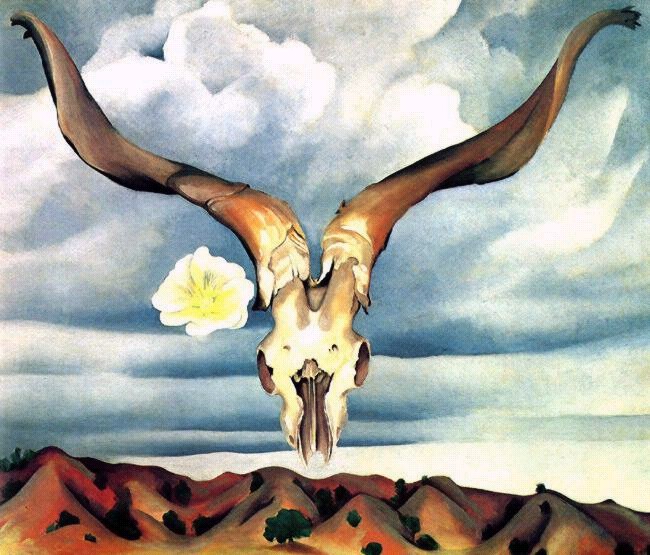
One of the things that I love about being a woman, and especially a woman artist, is our ability to craft work based on our experiences and our lives. All of us, man or woman, has a life whose path is fraught with pain and difficulty, as I said before, Life can be Suffering. (I have amended that Buddhist belief for my own devices.) Woman artists have a unique capacity, I think, to craft and exhibit that pain and make it remain beautiful. Look at Frida Kahlo‘s self portraits, or Georgia O’Keefe‘s flowers, or Eva Hesse‘s sculptures, Annie Leibovitz‘s portrait photography, Yoko Ono‘s drawings and sculptures, and, more simply, the huipils of women in Central America whose embroidery communicated the stories of their culture as the Spanish decimated their people with disease and domination.

frida

Traditionally, women are seen or expected to take on this role of nurturer as if that means that they are to bend, to be flexible, to be willing to support no matter what. I believe that one of the great gains of feminism is an understanding of how those roles can be both male and female, and that women, too, can be ambitious, business-like, healthily selfish, and strong. I believe that the women’s movement is about choice, and that men, too, can gain from an understanding that feminism helps men break out of their codified existences of cold, emotional distance or “strength” at any cost. Feminism is all-encompassing, if we let it be.

OKeeffe_Georgia_Rams_Head

To get back to my original point, of being the boyfriend chaser, the love addict who seeks the wrong sort of love in place of the real thing, I am seeking to combine the understanding that it is time to find self-love and then real love, it is time to create art out of the understanding and final comprehension of these experiences, to channel the spirit of other woman artists who have broken their patterns and found their inner artist. As one line from one of my favorite poems says: it is time to eat my last meal in my old neighborhood. In many ways, the tiger trap I found myself in lately, was a gift because all I had to do was look up, grab those pieces of bamboo, and begin climbing out.

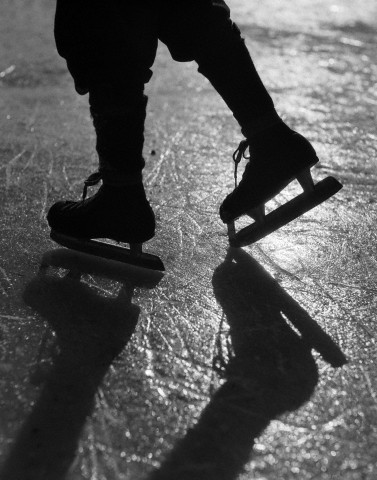
Climbing out, for me, as a woman artist, as a person whose own experience and own Terrible Master has clouded her judgement for so long, involves speaking to other people, and sharing these experiences. Today I read this article, and found it gut-wrenching, so I am linking to it. Today I spoke at length with a new friend and she opened my eyes in ways that others had not been able. Today I recommitted to being a woman artist and making this journey work, whatever it ends up being, wherever it ends up going. When I get into that boat of my dreams, every morning as I wake up, and make the conscious decision to do this, to really do it, to being the artist that I am, it is about looking these fears and decisions and successes and challenges in the face and moving through them, slowly. It is about taking moments to savour the beauty of everyday experience, like ice-skating alone today down a creek bed. It is about standing up with a straight back and liberating the self from years of patterned behavior. It is about writing, and looking, and creating, and melting metal into new shapes and forms. It is about trusting others, but trusting oneself most of all.

Being a woman is being “of fierce delicacy and passionate fragility,” and of recognizing that those two aspects are not weaknesses, but beautiful pillars to share with the world through art, or writing, or speaking, or however else you choose to communicate.

“There are very few human beings who receive the truth, complete and staggering, by instant illumination. Most of them acquire it fragment by fragment, on a small scale, by successful developments, cellularly, like a laborious mosaic.”

Anais Nin

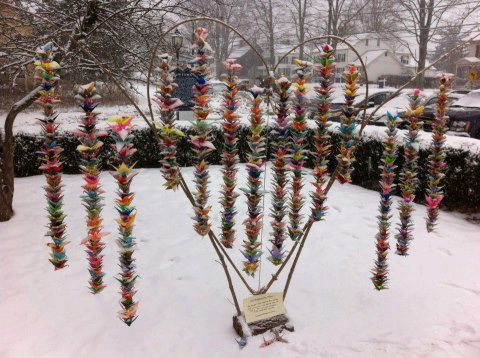
crane heart

Si Tengo Alas Para Volar

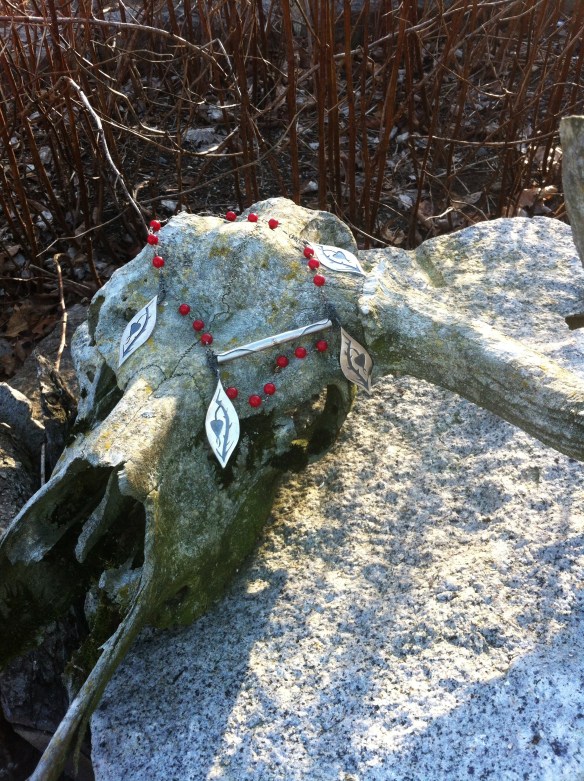
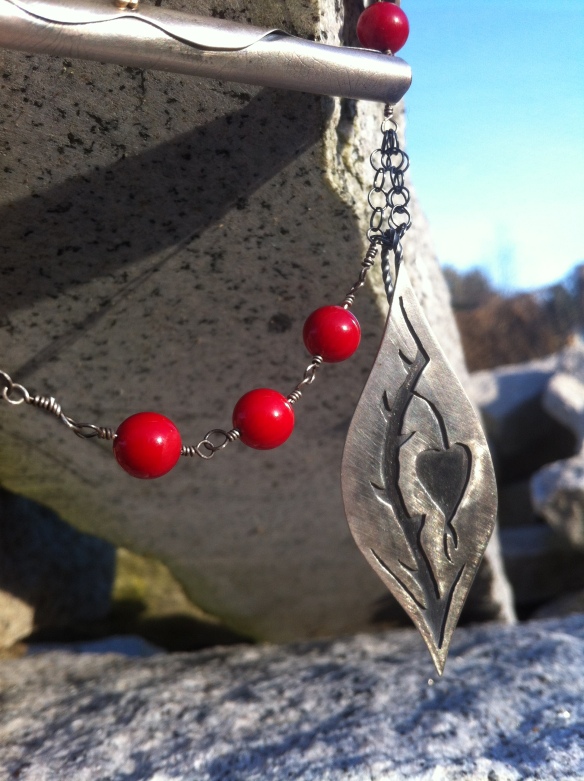
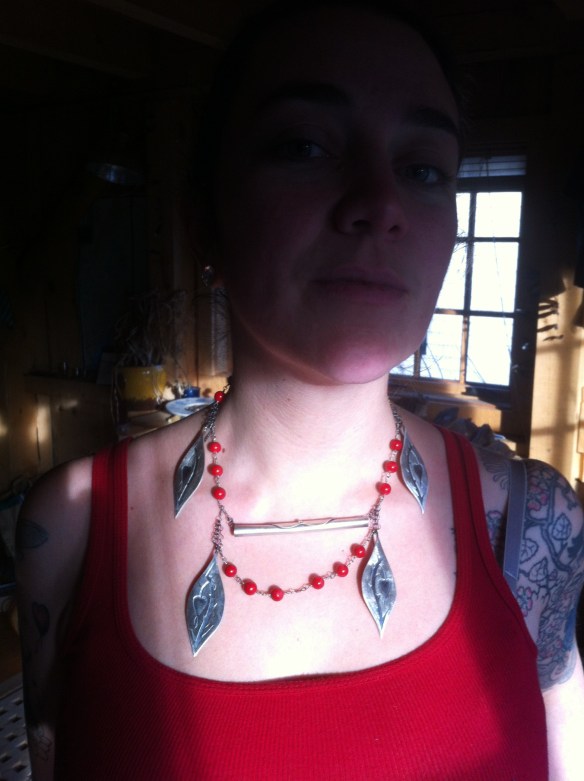
A few months ago, my good friend Julie told me that I should start naming the more intricate jewelry pieces, to give them more personality. I agree. Today I finished this latest necklace, inspired by necklaces worn by Frida Kahlo in many of her paintings.

This necklace is named  – Si Tengo Alas Para Volar. In English, that means If I Have Wings to Fly.

Frida necklace9

Frida necklace3    Frida necklace7    Frida necklace12  Frida necklace14

Frida necklace

Hey look! It’s me!

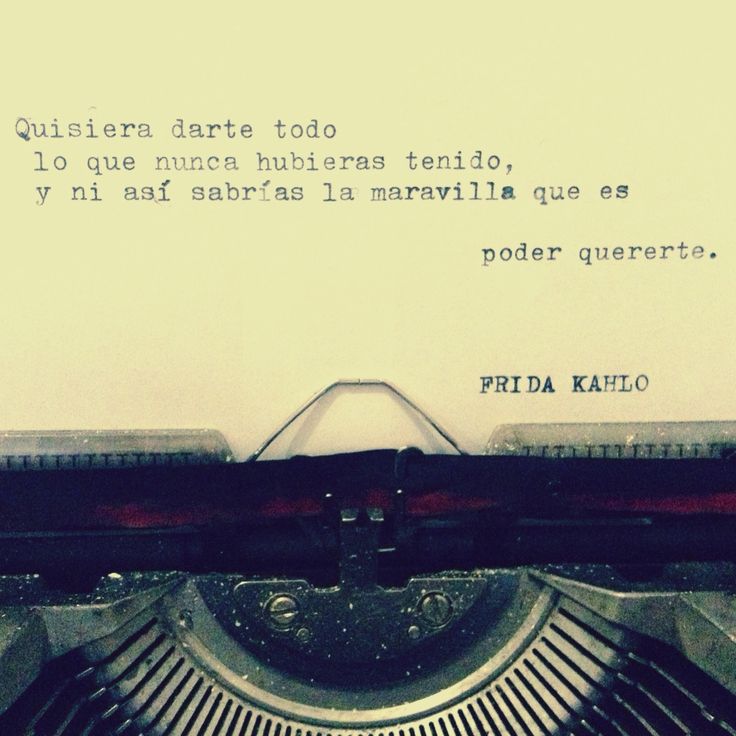
Frida Kahlo was a woman who knew pain, and lots of it. She not only knew it, but was able to communicate her pain in a meaningful way to people who connected with her feelings and empathized with her experiences. Her quote: ¿ Pies para que os quiero, si tengo alas para volar?, was written at a time when she couldn’t walk due to injuries and pain to her spine.

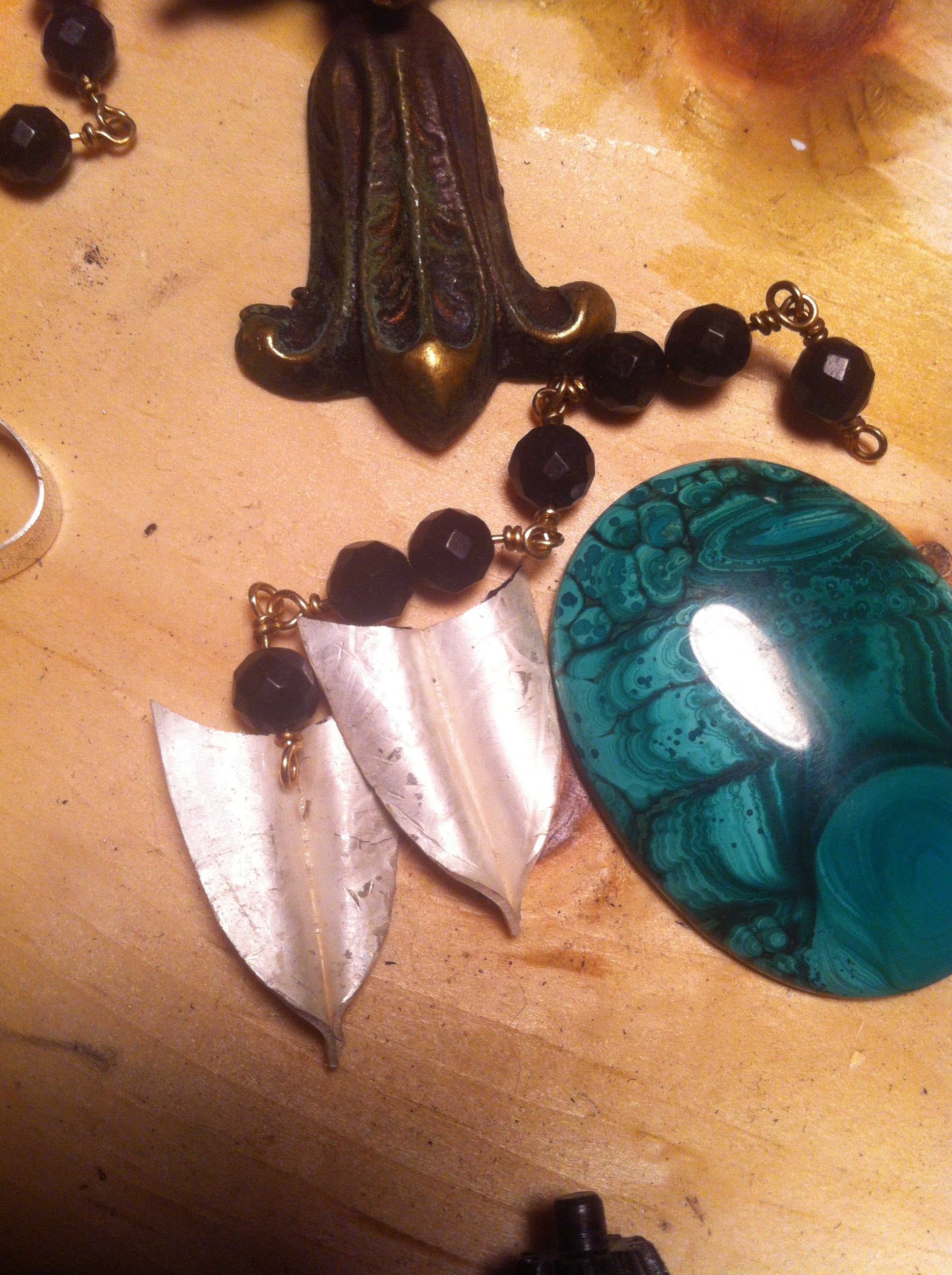
I love this quote because it exemplifies what I think is the most important force in human thinking: our capacity to dream beyond what is right in front of us. This necklace is made of sterling silver beads that are silhouettes of stylized bleeding hearts, 14 karat gold, and red coral. It is meant to be striking, beautiful, slightly dangerous, risky to wear. Just like love, and just like all the steps we take along this path of life.

Frozen, and Friction-Free

“Do you have skates yet?” a voice said over the phone, while I was sitting and polishing silver at my table at the craft fair.

“It’s funny you should ask that, because I was just shopping for skates the other day, and was planning on getting some this week!”, I said, smiling.

“Well. We should get you a pair. I am going to come and get you and then we are going to go skating!”, he said.

I smiled, and said, “yes!”.

Sonja Henie Skating

I was wearing a green dress with blue and pink striped tights, a beautiful but crazy jewel-toned scarf my friend Seze made me years ago, and the requisite cowboy boots: not your typical ice-skating outfit. In fact, my friends who stood there chatting and eavesdropping on my conversation said,”you are going to go skating in that beautiful dress?” They also said, “it would be perfect! You out there on the ice, with the fabric floating around you as you skate!”

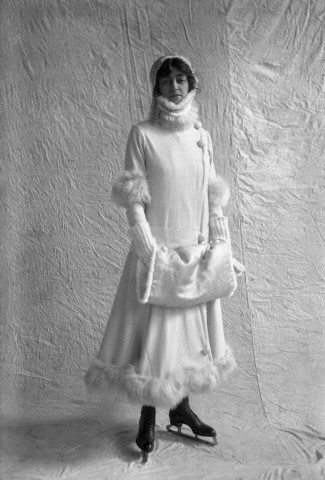
Studio shot of woman wearing ice skates

So. I called him back and asked him to go my house and pick up corduroys and a better shirt, and he told me he’d dig through his attic and find something. It is the small battle of two stubborn people, two people used to running their own show, trying to figure out how to do things together….I pull, he pulls, one of us wins. He did, and when I climbed into the truck, he informed me that we had clothes enough for five people and that I had to wear everything, all at once.

Man putting on ice skate on woman's leg

Pulling off the side of the road, at the edge of Acadia National Park, near the closest to Bar Harbor entrance to the Carriage Roads, he disappeared into the woods, through the trees to the edge of the beaver pond, frozen two inches thick with ice that been consolidating for the last week or two. A few days ago, we stopped at the same spot, and he grabbed a cordless drill from the floorboards and we went and measured the ice; then, too thin, but yesterday, perfect. I could see him, crouched at the ice’s edge, lacing up his skates as I waited for a moment when no cars came by to take off my green dress, braving the cold air with my almost naked body, naked save my tights and undies and socks, pulling an old striped wool sweater over my head and warm pants over my tights, laughing at myself as the air whipped around my body, blowing my hair all about my head as I adjusted the scarf and zipped up my jacket over my new, skate-friendly outfit.

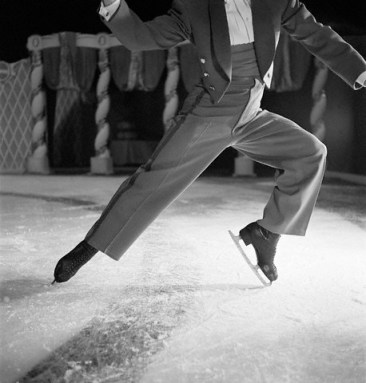
1930s silhouette figure shown from knees down wearing ice skates skating in ice sun glare

At the ice’s edge, on a large shelf of bumpy granite, I laced up my new skates, pulling the laces as tight as I could, remembering my days as suburban roller-blade champion. I was instructed to scoot out onto the ice on my butt, and then stand up. So, I did. Not falling, I held his hand and we slowly, slowly, skated out over the ice.

Skating Waiter Falling on the Ice

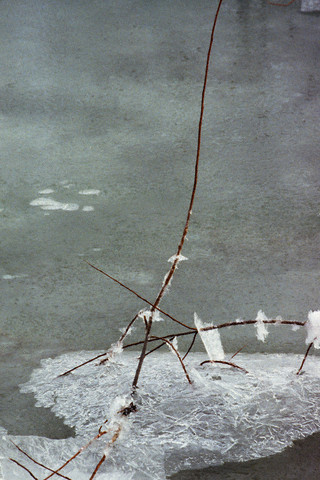
Clear ice, with white bubbles frozen in its surface. Clear ice, with leaves and lily pads suspended beneath my feet. Clear ice, with trees and two beaver dams poking through it. Lightly carving curves into the surface with our skates, marking that we had been there, on that ice.

Alaska. Air bubbles layered in ice.

As I got my bearings, my ice-legs if you will, he let go of my hand and I skated on my own, slowly at first, but then picking up speed as I felt more comfortable, feeling myself fly over the ice, smooth as silk under my skates. I found that if you barely turn your foot, you can spin in delicious circles and not fall. If you bend your knees, you get more power to push forward, and you can lean quite far over without the fear of falling. You can move your legs out or together and control your motion; you can skate over bumpy patches and pretend you are on a bike, cycling over gravel, using the motion of your body to absorb shock and keep going.

Frozen water

We skated to the edge of the pond and I saw flat granite pieces going down into the ice; this place must have been a quarry years ago, before the Park gained the land and absorbed it. The granite, flat as a blade, covered with lichen and mosses, its smoothness broken only by a small fir tree growing at the ice’s edge. I was struck, again, by the beauty of this place and inspired to make more beautiful things based on the beauty that I was witnessing.

Branch in frozen lake

We then skated to the opposite edge of the pond, where the darkness of late afternoon had begun to creep through the trees, casting black shadows out onto the smooth surface. There was a half moon of clear, black ice near the water’s edge, and then a cast of ice so different. It was clear that the water had refrozen there, over a bit of time, for under the surface were cross-hatched rectangles of white ice crystals, frozen under and over each other, like a basket woven of ice. Creeping together and out over one small section of the pond, looking like tiny tiles laying on top of each other, turned this way and that, out into the center of the pond. Here and there dotted with trees or grasses poking out, the white cast of ice spread before you like a road to follow, albeit bumpily, with your skates. I came back over and over to skate on that section of the pond, just to appreciate the amazing processes of nature that can happen as temperatures warm and dip at the beginning of winter.

Frost and ice patterns in a beaver pond, Greater Sudbury (Lively), Ontario, Canada

After a while of skating in huge circles and small circles, of watching someone much better at skating than I do cross-overs and figure eights, of remembering that scene in Fantasia when the faeries turn the landscape to winter, of attempting to balance on right foot and then left, of realizing I didn’t know how to stop, he said, “five minutes?”

I said, “seven!” and then he taught me how to stop.

Ice crystals on frozen pond, Bavaria, Germany

When we were finished, and sitting on that same granite ledge again, taking skates off and putting shoes on, the dusk was imminent and pensive, shrouding the trees and the pond in an almost tangible cloudiness of early winter: looking out at the trees, their colour changed from the pure green of daytime to a rusty, bronze green as the darkness imbued everything. Looking up, the sky was a blanket of silvery grey clouds, deep and close. The trees’ reflection shimmered on the frozen surface of the pond: all you could discern was a shape of a mass of trees, not the individual trees that you can see on a still day in summer. We walked back to the truck as night fell, darkness coming down from the sky to the earth as another day came to an end.

Milky sunrise over ice on beaver pond in early winter, Greater Sudbury, Ontario, Canada

We finished the day by driving along Somes Sound, gazing out at the lights of houses dotting the waters’ edge on the other side, looking at the toothed silhouettes of the two mountains that line the southern edge of the Sound, watching the trees disappear into the blackness of night.

Deep blue mountains, black water, grey sky: winter.

sargent drive november 13

Christmas Window Wunderkammer

Wunderkammer above my bed — the place of inspiration for this project

I did tests on small stones before collecting and committing myself to larger ones.

Andy Goldsworthy


I wrote about the project a few days ago, but…I am in the process of designing and making the parts to create a Christmas window at a shop-gallery in Bar Harbor, Maine. I install on Monday, and it is shaping up nicely. Today is Thanksgiving, but our family is celebrating tomorrow and so today is a giant work day — long and delicious.

In the vein of long, delicious work days, I have started my day by watching the sunrise (it was another beautiful one), reflecting on my amazing road trip from yesterday (still working on writing about that one), and designing a giant Wunderkammer that is three windows large for the holiday window project.


Silhouettes — Partridge in a Pear Tree and Two Turtle Doves


Here are some links pour vous….perhaps you will like them and they will help you (and I) understand what I am doing….

Why is a Wunderkammer kitsch? from La Rocaille — one of my new favorite blogs.

Andre Breton’s interactive Wunderkammer

and just in case you need a refresher on who Andre Breton was….

The Joseph Cornell Box – I am trying to justify buying this book right now…Joseph Cornell is a huge inspiration on all of my artworks and projects…

Joseph Cornell Collection at the Guggenheim

Rosamond Purcell at the Big Town Gallery, her books at Amazon.com and her  website.

This is a great blog dedicated to window displays in London, and it is WONDERFUL!!! I am very sad to be missing the windows in New York City this year. But, as they say, if you build it, they will come! (Or something…) Here’s to a day of creativity, art-making, inspiration, walking, listening and looking!!!


A day of composing is a day well spent…

Vasilissa The Beautiful — A Holiday Window Shadowpuppet Story

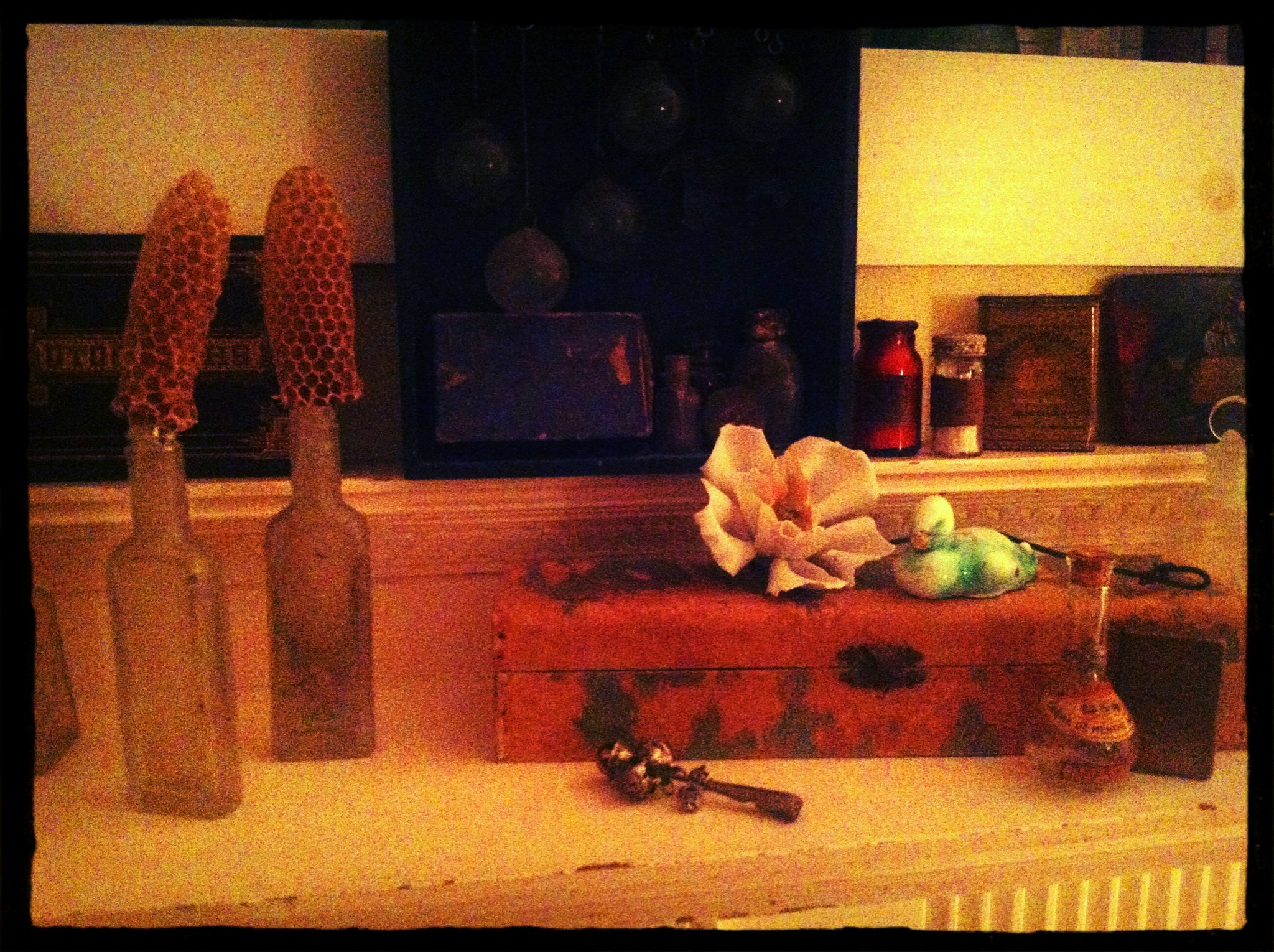
On our small island, there is a new arts organization called 545 & Co. This organization is “building a collaborative culture with artists and our communities through outreach and exposure” on Mount Desert Island, and are doing a holiday project with businesses in Bar Harbor. I am one of the lucky artists who has been invited to participate in building a 3-D art installation in the front windows of a local business. I am thrilled to have a challenge before me that I have not really attempted before, and have chosen to retell an old European fairy story (no surprise there) with a twist of Victorian-strange-old-things…

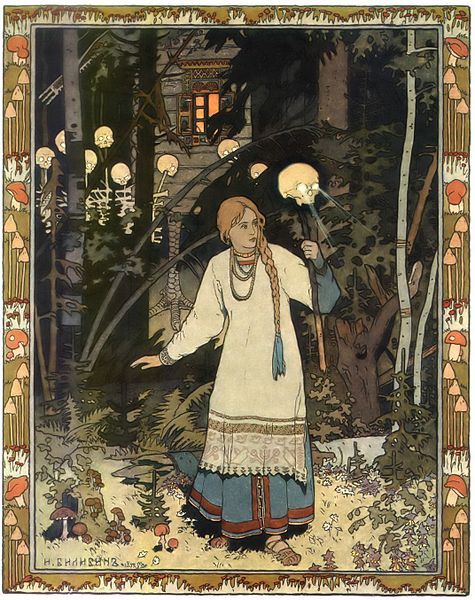
The story that I have chosen to depict with objets d’art, antique bottles and tins, old lace, Sunprints, shadowpuppets, and the objects that the store owners would like to use, is the story of Vasilissa The Beautiful, a Russian fairy tale about a scorned young girl, Vasilissa, her evil stepmother and stepsisters, and Baba Yaga. Here is the story for your perusal, albeit a bit abridged for length.

From Russian Wonder Tales by Post Wheeler, 1912.

IN a certain Tsardom, across three times nine kingdoms, beyond high mountain chains, there once lived a merchant. He had been married for twelve years, but in that time there had been born to him only one child, a daughter, who from her cradle was called Vasilissa the Beautiful. When the little girl was eight years old the mother fell ill, and before many days it was plain to be seen that she must die. So she called her little daughter to her, and taking a tiny wooden doll from under the blanket of the bed, put it into her hands and said:

“My little Vasilissa, my dear daughter, listen to what I say, remember well my last words and fail not to carry out my wishes. I am dying, and with my blessing, I leave to thee this little doll. It is very precious for there is no other like it in the whole world. Carry it always about with thee in thy pocket and never show it to anyone. When evil threatens thee or sorrow befalls thee, go into a corner, take it from thy pocket and give it something to eat and drink. It will eat and drink a little, and then thou mayest tell it thy trouble and ask its advice, and it will tell thee how to act in thy time of need.” So saying, she kissed her little daughter on the forehead, blessed her, and shortly after died.

Little Vasilissa grieved greatly for her mother, and her sorrow was so deep that when the dark night came, she lay in her bed and wept and did not sleep. At length she be thought herself of the tiny doll, so she rose and took it from the pocket of her gown and finding a piece of wheat bread and a cup of kvass, she set them before it, and said: “There, my little doll, take it. Eat a little, and drink a little, and listen to my grief. My dear mother is dead and I am lonely for her.”

Then the doll’s eyes began to shine like fireflies, and suddenly it became alive. It ate a morsel of the bread and took a sip of the kvass, and when it had eaten and drunk, it said:

“Don’t weep, little Vasilissa. Grief is worst at night. Lie down, shut thine eyes, comfort thyself and go to sleep. The morning is wiser than the evening.” So Vasilissa the Beautiful lay down, comforted herself and went to sleep, and the next day her grieving was not so deep and her tears were less bitter.

Now after the death of his wife, the merchant sorrowed for many days as was right, but at the end of that time he began to desire to marry again and to look about him for a suitable wife. This was not difficult to find, for he had a fine house, with a stable of swift horses, besides being a good man who gave much to the poor. Of all the women he saw, however, the one who, to his mind, suited him best of all, was a widow of about his own age with two daughters of her own, and she, he thought, besides being a good housekeeper, would be a kind foster mother to his little Vasilissa.

So the merchant married the widow and brought her home as his wife, but the little girl soon found that her foster mother was very far from being what her father had thought. She was a cold, cruel woman, who had desired the merchant for the sake of his wealth, and had no love for his daughter. Vasilissa was the greatest beauty in the whole village, while her own daughters were as spare and homely as two crows, and because of this all three envied and hated her. They gave her all sorts of errands to run and difficult tasks to perform, in order that the toil might make her thin and worn and that her face might grow brown from sun and wind, and they treated her so cruelly as to leave few joys in life for her. But all this the little Vasilissa endured without complaint, and while the stepmother’s two daughters grew always thinner and uglier, in spite of the fact that they had no hard tasks to do, never went out in cold or rain, and sat always with their arms folded like ladies of a Court, she herself had cheeks like blood and milk and grew every day more and more beautiful.

Now the reason for this was the tiny doll, without whose help little Vasilissa could never have managed to do all the work that was laid upon her. Each night, when everyone else was sound asleep, she would get up from her bed, take the doll into a closet, and locking the door, give it something to eat and drink, and say: “There, my little doll, take it. Eat a little, drink a little, and listen to my grief. I live in my father’s house, but my spiteful stepmother wishes to drive me out of the white world. Tell me! How shall I act, and what shall I do?”

Then the little doll’s eyes would begin to shine like glow- worms, and it would become alive. It would eat a little food, and sip a little drink, and then it would comfort her and tell her how to act. While Vasilissa slept, it would get ready all her work for the next day, so that she had only to rest in the shade and gather flowers, for the doll would have the kitchen garden weeded, and the beds of cabbage watered, and plenty of fresh water brought from the well, and the stoves heated exactly right. And, besides this, the little doll told her how to make, from a certain herb, an ointment which prevented her from ever being sunburnt. So all the joy in life that came to Vasilissa came to her through the tiny doll that she always carried in her pocket.

Years passed, till Vasilissa grew up and became of an age when it is good to marry. All the young men in the village, high and low, rich and poor, asked for her hand, while not one of them stopped even to look at the stepmother’s two daughters, so ill-favored were they. This angered their mother still more against Vasilissa; she answered every gallant who came with the same words: “Never shall the younger be wed before the older ones!” and each time, when she had let a suitor out of the door, she would soothe her anger and hatred by beating her stepdaughter. So while Vasilissa grew each day more lovely and graceful, she was often miserable, and but for the little doll in her pocket, would have longed to leave the white world.

Now there came a time when it became necessary for the merchant to leave his home and to travel to a distant Tsardom. He bade farewell to his wife and her two daughters, kissed Vasilissa and gave her his blessing and departed, bidding them say a prayer each day for his safe return. Scarce was he out of sight of the village, however, when his wife sold his house, packed all his goods and moved with them to another dwelling far from the town, in a gloomy neighborhood on the edge of a wild forest. Here every day, while her two daughters were working indoors, the merchant’s wife would send Vasilissa on one errand or other into the forest, either to find a branch of a certain rare bush or to bring her flowers or berries.

Now deep in this forest, as the stepmother well knew, there was a green lawn and on the lawn stood a miserable little hut on hens’ legs, where lived a certain Baba Yaga, an old witch grandmother. She lived alone and none dared go near the hut, for she ate people as one eats chickens. The merchant’s wife sent Vasilissa into the forest each day, hoping she might meet the old witch and be devoured; but al ways the girl came home safe and sound, because the little doll showed her where the bush, the flowers and the berries grew, and did not let her go near the hut that stood on hens’ legs. And each time the stepmother hated her more and more because she came to no harm.

One autumn evening the merchant’s wife called the three girls to her and gave them each a task. One of her daughters she bade make a piece of lace, the other to knit a pair of hose, and to Vasilissa she gave a basket of flax to be spun. She bade each finish a certain amount. Then she put out all the fires in the house, leaving only a single candle lighted in the room where the three girls worked, and she herself went to sleep.

They worked an hour, they worked two hours, they worked three hours, when one of the elder daughters took up the tongs to straighten the wick of the candle. She pre tended to do this awkwardly (as her mother had bidden her) and put the candle out, as if by accident.

“What are we to do now?” asked her sister. “The fires are all out, there is no other light in all the house, and our tasks are not done.”

“We must go and fetch fire,” said the first. “The only house near is a hut in the forest, where a Baba Yaga lives. One of us must go and borrow fire from her.”

“I have enough light from my steel pins,” said the one who was making the lace, “and I will not go.”

“And I have plenty of light from my silver needles,” said the other, who was knitting the hose, “and I will not go.

“Thou, Vasilissa,” they both said, “shalt go and fetch the fire, for thou hast neither steel pins nor silver needles and cannot see to spin thy flax!” They both rose up, pushed Vasilissa out of the house and locked the door, crying:

“Thou shalt not come in till thou hast fetched the fire.”

Vasilissa sat down on the doorstep, took the tiny doll from one pocket and from another the supper she had ready for it, put the food before it and said: “There, my little doll, take it. Eat a little and listen to my sorrow. I must go to the hut of the old Baba Yaga in the dark forest to borrow some fire and I fear she will eat me. Tell me! What shall I do?”

Then the doll’s eyes began to shine like two stars and it became alive. It ate a little and said: “Do not fear, little Vasilissa. Go where thou hast been sent. While I am with thee no harm shall come to thee from the old witch.” So Vasilissa put the doll back into her pocket, crossed herself and started out into the dark, wild forest.

Whether she walked a short way or a long way the telling is easy, but the journey was hard. The wood was very dark, and she could not help trembling from fear. Suddenly she heard the sound of a horse’s hoofs and a man on horseback galloped past her. He was dressed all in white, the horse under him was milk-white and the harness was white, and just as he passed her it became twilight.

She went a little further and again she heard the sound of a horse’s hoofs and there came another man on horseback galloping past her. He was dressed all in red, and the horse under him was blood-red and its harness was red, and just as he passed her the sun rose.

That whole day Vasilissa walked, for she had lost her way. She could find no path at all in the dark wood and she had no food to set before the little doll to make it alive.

But at evening she came all at once to the green lawn where the wretched little hut stood on its hens’ legs. The wall around the hut was made of human bones and on its top were skulls. There was a gate in the wall, whose hinges were the bones of human feet and whose locks were jaw- bones set with sharp teeth. The sight filled Vasilissa with horror and she stopped as still as a post buried in the ground.

As she stood there a third man on horseback came galloping up. His face was black, he was dressed all in black, and the horse he rode was coal-black. He galloped up to the gate of the hut and disappeared there as if he had sunk through the ground and at that moment the night came and the forest grew dark.

But it was not dark on the green lawn, for instantly the eyes of all the skulls on the wall were lighted up and shone till the place was as bright as day. When she saw this Vasilissa trembled so with fear that she could not run away.

Then suddenly the wood became full of a terrible noise; the trees began to groan, the branches to creak and the dry leaves to rustle, and the Baba Yaga came flying from the forest. She was riding in a great iron mortar and driving it with the pestle, and as she came she swept away her trail behind her with a kitchen broom.

She rode up to the gate and stopping, said:

Little House, little House, Stand the way thy mother placed thee, Turn thy back to the forest and thy face to me!

And the little hut turned facing her and stood still. Then smelling all around her, she cried: “Foo! Foo! I smell a smell that is Russian. Who is here?”

Vasilissa, in great fright, came nearer to the old woman and bowing very low, said: “It is only Vasilissa, grand mother. My stepmother’s daughters sent me to thee to borrow some fire.”

“Well,” said the old witch, “I know them. But if I give thee the fire thou shalt stay with me some time and do some work to pay for it. If not, thou shalt be eaten for my supper.” Then she turned to the gate and shouted: “Ho! Ye, my solid locks, unlock! Thou, my stout gate, open!” Instantly the locks unlocked, the gate opened of itself, and the Baba Yaga rode in whistling. Vasilissa entered behind her and immediately the gate shut again and the locks snapped tight.

When they had entered the hut the old witch threw her self down on the stove, stretched out her bony legs and said:

“Come, fetch and put on the table at once everything that is in the oven. I am hungry.”…

When her hunger was satisfied, the old witch, growing drowsy, lay down on the stove and said: “Listen to me well, and do what I bid thee. Tomorrow when I drive away, do thou clean the yard, sweep the floors and cook my supper. Then take a quarter of a measure of wheat from my store house and pick out of it all the black grains and the wild peas. Mind thou dost all that I have bade; if not, thou shalt be eaten for my supper.”

Presently the Baba Yaga turned toward the wall and began to snore and Vasilissa knew that she was fast asleep. Then she went into the corner, took the tiny doll from her pocket, put before it a bit of bread and a little cabbage soup that she had saved, burst into tears and said: “There, my little doll, take it. Eat a little, drink a little, and listen to my grief. Here I am in the house of the old witch and the gate in the wall is locked and I am afraid. She has given me a difficult task and if I do not do all she has bade, she will eat me tomorrow. Tell me: What shall I do?”

Then the eyes of the little doll began to shine like two candles. It ate a little of the bread and drank a little of the soup and said: “Do not be afraid, Vasilissa the Beautiful. Be comforted. Say thy prayers, and go to sleep. The morning is wiser than the evening.” So Vasilissa trusted the little doll and was comforted. She said her prayers, lay down on the floor and went fast asleep.

When she woke next morning, very early, it was still dark. She rose and looked out of the window, and she saw that the eyes of the skulls on the wall were growing dim…

When Vasilissa found herself left alone, she examined the hut, wondering to find it filled with such an abundance of everything. Then she stood still, remembering all the work that she had been bidden to do and wondering what to begin first. But as she looked she rubbed her eyes, for the yard was already neatly cleaned and the floors were nicely swept, and the little doll was sitting in the storehouse picking the last black grains and wild peas out of the quarter- measure of wheat.

Vasilissa ran and took the little doll in her arms. “My dearest little doll!” she cried. “Thou hast saved me from my trouble! Now I have only to cook the Baba Yaga’s sup per, since all the rest of the tasks are done!”

“Cook it, with God’s help,” said the doll, “and then rest, and may the cooking of it make thee healthy!” And so saying it crept into her pocket and became again only a little wooden doll.

So Vasilissa rested all day and was refreshed; and when it grew toward evening she laid the table for the old witch’s supper, and sat looking out of the window, waiting for her coming…Then all at once the trees of the forest began to creak and groan and the leaves and the bushes to moan and sigh, and the Baba Yaga came riding out of the dark wood in the huge iron mortar, driving with the pestle and sweeping out the trail behind her with the kitchen broom.

“Well, hast thou done perfectly all the tasks I gave thee to do, or am I to eat thee for my supper?”

“Be so good as to look for thyself, grandmother,” answered Vasilissa.

The Baba Yaga went all about the place, tapping with her iron pestle, and carefully examining everything. But so well had the little doll done its work that, try as hard as she might, she could not find anything to complain of. There was not a weed left in the yard, nor a speck of dust on the floors, nor a single black grain or wild pea in the wheat.

The old witch was greatly angered, but was obliged to pretend to be pleased. “Well,” she said, “thou hast done all well.” …

The Baba Yaga sat down to supper, and Vasilissa put before her all the food from the oven…“Tomorrow do as thou hast done today, and besides these tasks take from my storehouse a half-measure of poppy seeds and clean them one by one. Someone has mixed earth with them to do me a mischief and to anger me, and I will have them made perfectly clean.” So saying she turned to the wall and soon began to snore.

When she was fast asleep Vasilissa went into the corner, took the little doll from her pocket, set before it a part of the food that was left and asked its advice. And the doll, when it had become alive, and eaten a little food and sipped a little drink, said: “Don’t worry, beautiful Vasilissa! Be comforted. Do as thou didst last night: say thy prayers and go to sleep.”…

As it had happened on the first morning, so it happened now. When Vasilissa looked she found that the little doll had finished all the tasks excepting the cooking of the sup per. The yard was swept and in order, the floors were as clean as new wood, and there was not a grain of earth left in the half-measure of poppy seeds. She rested and refreshed herself till the afternoon, when she cooked the supper, and when evening came she laid the table and sat down to wait for the old witch’s coming.

Soon the man in black, on the coal-black horse, galloped up to the gate, and the dark fell and the eyes of the skulls began to shine like day; then the ground began to quake, and the trees of the forest began to creak and the dry leaves to rustle, and the Baba Yaga came riding in her iron mortar, driving with her pestle and sweeping away her path with her broom.

When she came in she smelled around her and went all about the hut, tapping with the pestle; but pry and examine as she might, again she could see no reason to find fault and was angrier than ever…

Presently the old witch sat down to supper…The Baba Yaga ate and drank it all, every morsel, leaving not so much as a crumb of bread; then she said snappishly: “Well, why dost thou say nothing, but stand there as if thou wast dumb?”

“I spoke not,” Vasilissa answered, “because I dared not. But if thou wilt allow me, grandmother, I wish to ask thee some questions.”

“Well,” said the old witch, “only remember that every question does not lead to good. If thou knowest overmuch, thou wilt grow old too soon. What wilt thou ask?”

“I would ask thee,” said Vasilissa, “of the men on horse back. When I came to thy hut, a rider passed me. He was dressed all in white and he rode a milk-white horse. Who was he?”

“That was my white, bright day,” answered the Baba Yaga angrily. “He is a servant of mine, but he cannot hurt thee. Ask me more.”

“Afterwards,” said Vasilissa, “a second rider overtook me. He was dressed in red and the horse he rode was blood- red. Who was he?”

“That was my servant, the round, red sun,” answered the Baba Yaga, “and he, too, cannot injure thee,” and she ground her teeth. “Ask me more.”

“A third rider,” said Vasilissa, “came galloping up to the gate. He was black, his clothes were black and the horse was coal-black. Who was he?”

“That was my servant, the black, dark night,” answered the old witch furiously; “but he also cannot harm thee. Ask me more.”

But Vasilissa, remembering what the Baba Yaga had said, that not every question led to good, was silent.

Said the Baba Yaga,”Now I would ask a question in my turn: How is it that thou hast been able, in a little time, to do perfectly all the tasks I gave thee? Tell me!”

Vasilissa was so frightened to see how the old witch ground her teeth that she almost told her of the little doll; but she bethought herself just in time, and answered: “The blessing of my dead mother helps me.”

Then the Baba Yaga sprang up in a fury. “Get thee out of my house this moment!” she shrieked. “I want no one who bears a blessing to cross my threshold! Get thee gone!”

Vasilissa ran to the yard, and behind her she heard the old witch shouting to the locks and the gate. The locks opened, the gate swung wide, and she ran out on to the lawn. The Baba Yaga seized from the wall one of the skulls with burning eyes and flung it after her. “There,” she howled, “is the fire for thy stepmother’s daughters. Take it. That is what they sent thee here for, and may they have joy of it!”

Vasilissa put the skull on the end of a stick and darted away through the forest, running as fast as she could, finding her path by the skull’s glowing eyes which went out only when morning came.

Whether she ran a long way or a short way, and whether the road was smooth or rough, towards evening of the next day, when the eyes in the skull were beginning to glimmer, she came out of the dark, wild forest to her stepmother’s house.

When she came near to the gate, she thought, “Surely, by this time they will have found some fire,” and threw the skull into the hedge; but it spoke to her, and said: “Do not throw me away, beautiful Vasilissa; bring me to thy step mother.” So, looking at the house and seeing no spark of light in any of the windows, she took up the skull again and carried it with her.

Now since Vasilissa had gone, the stepmother and her two daughters had had neither fire nor light in all the house. When they struck flint and steel the tinder would not catch. and the fire they brought from the neighbors would go out immediately as soon as they carried it over the threshold, so that they had been unable to light or warm themselves or to cook food to eat. Therefore now, for the first time in her life, Vasilissa found herself welcomed. They opened the door to her and the merchant’s wife was greatly rejoiced to find that the light in the skull did not go out as soon as it was brought in. “Maybe the witch’s fire will stay,” she said, and took the skull into the best room, set it on a candlestick and called her two daughters to admire it.

But the eyes of the skull suddenly began to glimmer and to glow like red coals, and wherever the three turned or ran the eyes followed them, growing larger and brighter till they flamed like two furnaces, and hotter and hotter till the merchant’s wife and her two wicked daughters took fire and were burned to ashes. Only Vasilissa the Beautiful was not touched.

In the morning Vasilissa dug a deep hole in the ground and buried the skull. Then she locked the house and set out to the village, where she went to live with an old woman who was poor and childless, and so she remained for many days, waiting for her father’s return from the far-distant Tsardom.

But, sitting lonely, time soon began to hang heavy on her hands. One day she said to the old woman: “It is dull for me, grandmother, to sit idly hour by hour. My hands want work to do. Go, therefore, and buy me some flax, the best and finest to be found anywhere, and at least I can spin.”

She wove one month, she wove two months-all the winter Vasilissa sat weaving, weaving her fine thread, till the whole piece of linen was done, of a texture so fine that it could be passed, like thread, through the eye of a needle. When the spring came she bleached it, so white that no snow could be compared with it. Then she said to the old woman: “Take thou the linen to the market, grandmothers and sell it, and the money shall suffice to pay for my food and lodging.” When the old woman examined the linen, however, she said:

“Never will I sell such cloth in the market place; no one should wear it except it be the Tsar himself, and tomorrow I shall carry it to the Palace.”

Next day, accordingly, the old woman went to the Tsar’s splendid Palace and fell to walking up and down before the windows. The servants came to ask her her errand but she answered them nothing, and kept walking up and down. At length the Tsar opened his window, and asked: “What dost thou want, old woman, that thou walkest here?”

“O Tsar’s Majesty” the old woman answered, “I have with me a marvelous piece of linen stuff, so wondrously woven that I will show it to none but thee.”

The Tsar bade them bring her before him and when he saw the linen he was struck with astonishment at its fineness and beauty. “What wilt thou take for it, old woman?” he asked.

“There is no price that can buy it, Little Father Tsar,” she answered; “but I have brought it to thee as a gift.” The Tsar could not thank the old woman enough. He took the linen and sent her to her house with many rich presents.

Seamstresses were called to make shirts for him out of the cloth; but when it had been cut up, so fine was it that no one of them was deft and skillful enough to sew it. The best seamstresses in all the Tsardom were summoned but none dared undertake it. So at last the Tsar sent for the old woman and said: “If thou didst know how to spin such thread and weave such linen, thou must also know how to sew me shirts from it.”

And the old woman answered: “O Tsar’s Majesty, it was not I who wove the linen; it is the work of my adopted daughter.”

“Take it, then,” the Tsar said, “and bid her do it for me.” The old woman brought the linen home and told Vasilissa the Tsar’s command: “Well I knew that the work would needs be done by my own hands,” said Vasilissa, and, locking herself in her own room, began to make the shirts. So fast and well did she work that soon a dozen were ready. Then the old woman carried them to the Tsar, while Vasilissa washed her face, dressed her hair, put on her best gown and sat down at the window to see what would happen. And presently a servant in the livery of the Palace came to the house and entering, said: “The Tsar, our lord, desires himself to see the clever needlewoman who has made his shirts and to reward her with his own hands.”

Vasilissa rose and went at once to the Palace, and as soon as the Tsar saw her, he fell in love with her with all his soul. He took her by her white hand and made her sit beside him. “Beautiful maiden,” he said, “never will I part from thee and thou shalt be my wife.”

So the Tsar and Vasilissa the Beautiful were married, and her father returned from the far-distant Tsardom, and he and the old woman lived always with her in the splendid Palace, in all joy and contentment. And as for the little wooden doll, she carried it about with her in her pocket all her life long.


A perfect tale to be told across some windows, no?


In The Dark

“When things fall apart, consider the possibility that life knocked it down on purpose. Not to bully you, or to punish you, but to prompt you to build something that better suits your personality and your purpose. Sometimes things fall apart so better things can fall together.”

-Sandra King

Mid-tide at Clifton Dock, Northeast Harbor

There is a quiet in the air here, a solace of a sort. A feeling in the wind, especially at night, that soothes the soul after another day. The air is close but comforting, cold as it wraps around your face and body as you walk home. The stars, glimmering above, ever slightly changing with each passing day, twinkle down on a bewildered face each night as I stroll.

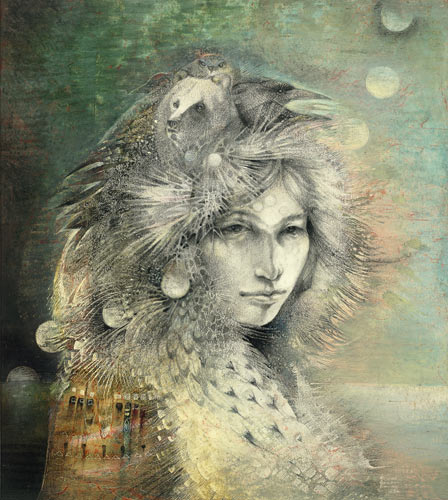
Seven Moons Passing – Susan Seddon-Boulet

When I first moved here, all three weeks ago, the quiet was an intimidating force. There was a huge part of me who, having spent my whole adult life in cities, was used to the white noise hum of cars passing by, of planes flying over, of doors closing and opening, of people talking and yelling to each other. I was used to the comforting noises of a city: the noises that let you know that the city is humming along to itself, the subway running beneath your feet as buses stop at bus stops, people getting off and on.

The first night I was here I noticed the quiet, and I noticed it even more as each day passed. During the first two weeks that I lived here, I suffered the feelings of loneliness and isolation quite intensely. Not knowing what to do, I took walks and made phone calls, sat in my house and knit shawls and gloves. I sat here, and wrote my thoughts down on digital paper. I looked out the windows at the quiet street, at the glowing windows of neighbors’ houses, and wondered….

Could I do this? Or shall I turn back?

A week ago at night, I left the studio when it had just become dark and walked to my favorite perch: Clifton Dock. I sat on the gang plank and watched tiny snowflakes fall around my face, the first of the year. The tiniest flakes, so soft in air so warm that they melted before they hit the ground, but yet, were there, swirling around my face tilted up toward the sky.

Walking through these quiet streets, especially at night, when I am alone and left to my own devices, has become a source of incredible, almost indescribable joy to me. When I walk up South Shore Road from Clifton Dock and pass all the beautiful, old summer houses that remind me of the houses in “The Great Gatsby” or “Sabrina”, and I look at their darkened windows and wonder where their owners are and what they are doing, I can dance, skip and spin down their road and no one can see me but the birds, the houses, and the trees.

I have never felt this sense of peace before in my life: my sense of self has always been full of many stressful emotions, at least as long as I can remember, anyway. I feel things very deeply, hence the large tattoo of an anatomical heart on my left arm declares to the world that I am one delicate, sensitive soul.

But once the loneliness faded, which it did, sometime last week, the sense of peace swooped in and took over. I spoke with a friend last night who is, hopefully, embarking on the next phase of her life in another, very different part of our country from where we grew from girls into the women we are now, and she made me laugh because she realized that her new town only has one coffee shop. I laughed because my town has no coffee shop, even though sometimes I wish that we did. Sometimes I wish we had a diner here, just a place to have food if you felt like going, a place like The Brick in Northern Exposure. But I digress….

One of my favorite teachers, who taught me my first skills in jewelry making, all those years ago, in San Miguel de Allende, Mexico, when I was fresh out of university and freshly married, twenty three years old and knew nothing, told me once that “perfection is a glorious accident”, so this morning, when I read the quote above, I realized, of course, that he was right.

Is this place perfect? No, of course not, but it is so close. Granted, I have no car right now, so that is a challenge. Granted, the winter has not really started and I have no idea what is heading toward me. Granted, I have been here for only three weeks, and your feelings on a place ebb and flow just like the tides that come in and out down at the dock. But…..

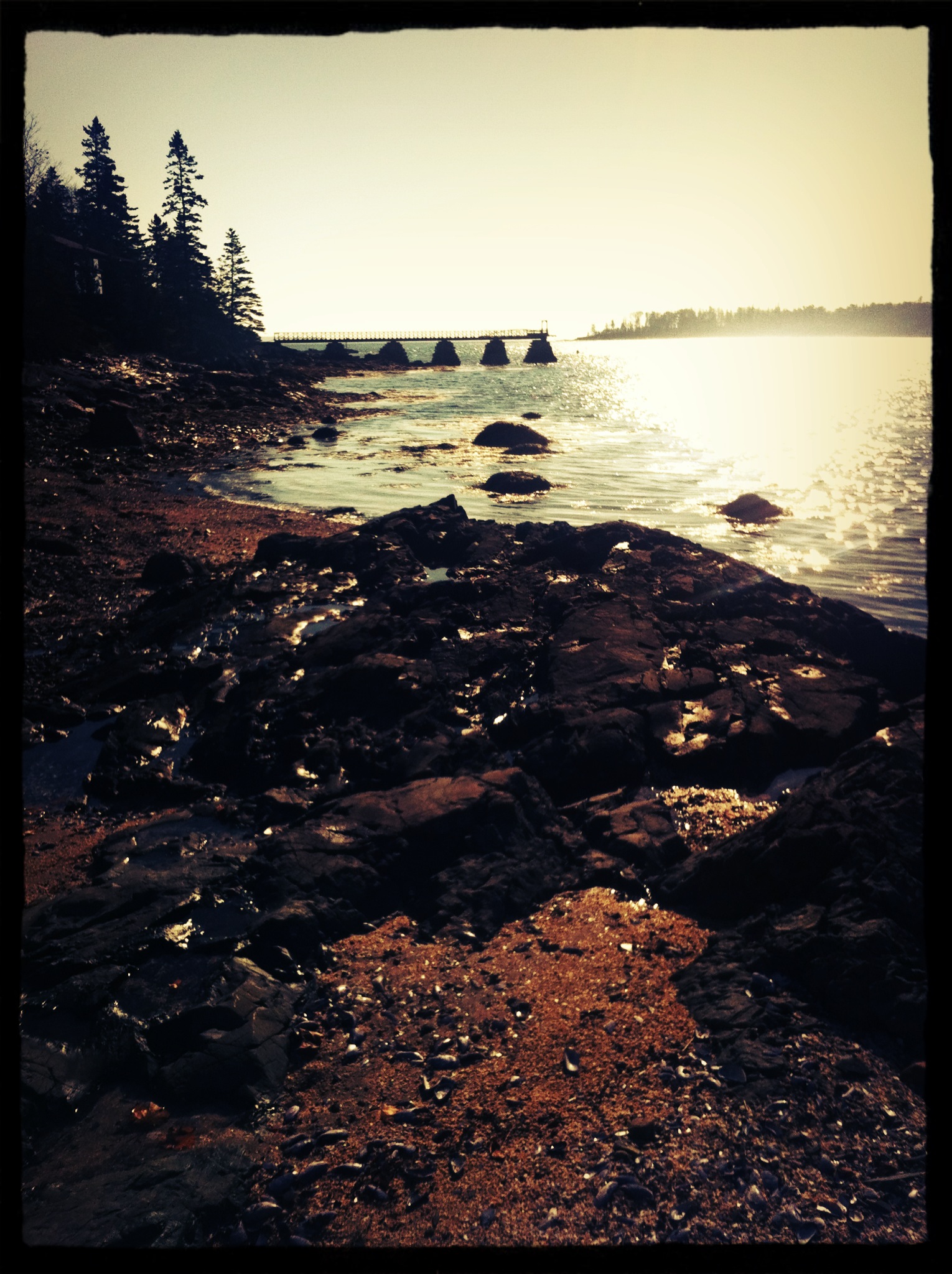
Lately, I have been surrounding myself with nature and with art. Without my daily walks, my days feel strangely off, as if something is missing. During these daily walks, I look at things and take photographs. Yesterday, I took this one…

Inspiration comes from the strangest places…..

Last night, I was working on earrings that were inspired by my walk down Sargent Drive the other day: one is inspired by lichen on rocks and the other by grasses growing along granite boulders. Today I will go in and start making some bracelets inspired by the shapes of the pilings in the photograph above. I have my first show in two weeks and am aiming to be ready….it is difficult to look forward and realize that this is what I want to do with my time, all the time, that there is nothing that has made me happier than the process of finding a voice in metals that has come over the last few weeks, in the dark, in the solitary time.

Northeast Harbor Fleet in Autumn